

Are your fruit trees struggling with pesky fungal diseases? You’re not alone. Many gardeners face the challenge of keeping their trees healthy and productive, especially when it comes to protecting them from common threats like powdery mildew and rust.
Key Takeaways
- Effective Disease Management: Copper fungicide effectively combats various fungal diseases, such as powdery mildew and rust, protecting fruit trees and improving overall health.
- Preventative Applications: Regular use creates a protective barrier on leaves, reducing the likelihood of fungal infections before they start.
- Environmentally Friendly Option: Compared to synthetic alternatives, copper fungicide is safer for beneficial organisms, including pollinators, when used as directed.
- Timing and Preparation: Apply fungicide in dry, calm conditions using the right equipment and protective gear to maximize effectiveness and safety.
- Monitoring for Success: Regularly inspect trees for signs of improvement or lingering issues to determine the effectiveness of the treatment and schedule follow-ups accordingly.
- Quality Outcomes: Healthy, disease-free trees produce higher quality fruit, enhancing both yield and marketability.
Understanding Copper Fungicide
Copper fungicide serves as an effective solution for managing fungal diseases on fruit trees. Many gardeners use it to combat common threats while promoting overall tree health.
Recommended Products
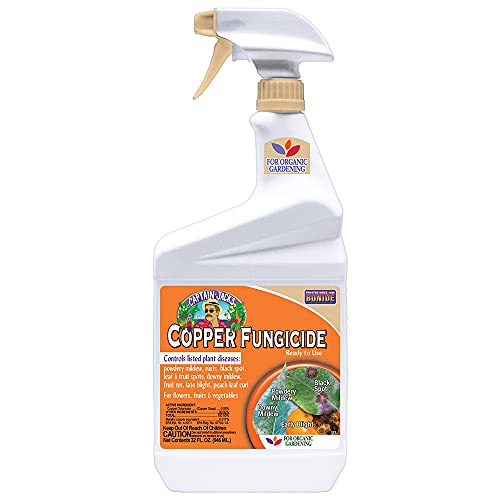
Control fungus and disease in your garden with Captain Jack’s ready-to-use Liquid Copper Fungicide!

DISEASE CONTROL - Liqui-Cop is designed to prevent a wide variety of plant diseases including anthracnose, brown rot, blight, downy mildew, botrytis blight, leaf spot and many more.

Control plant common plant diseases in your home garden with Copper Fungicide Spray or Dust from Bonide!
What Is Copper Fungicide?
Copper fungicide contains copper salts that inhibit the growth of fungi. It acts by disrupting the cellular structures of fungal pathogens, like spores and hyphae. Different formulations include copper sulfate, copper oxychloride, and Bordeaux mixture. Each option offers varying levels of effectiveness against specific fungal diseases.
- Broad-Spectrum Control: Copper fungicide targets various fungal diseases, including powdery mildew, rust, and leaf spot. This versatility makes it a reliable choice for managing multiple issues.
- Preventative Properties: Regular applications create a protective barrier on leaves and stems, reducing the likelihood of infections before they can take hold.
- Environmental Safety: Copper fungicide is less harmful to beneficial organisms than many synthetic fungicides. When used as directed, it poses minimal risk to pollinators and other wildlife.
- Long-Lasting Effects: Once applied, copper fungicide remains effective for an extended period. Its residue continues to work against fungal development, reducing the frequency of applications.
- Improved Fruit Quality: Healthy, disease-free fruit trees produce higher quality fruit. By using copper fungicide, you enhance both the yield and the quality of your harvest.
Ensure to follow application guidelines based on the specific product you choose. Always prioritize safety by wearing protective gear during the spraying process.
Preparing for Application
Preparing for the application of copper fungicide requires careful planning and execution to ensure effectiveness and safety.
Recommended Products

Control fungus and disease in your garden with Captain Jack’s Liquid Copper Fungicide Concentrate!

Control fungus and disease in your garden with Captain Jack’s ready-to-spray Liquid Copper Fungicide!

Control fungus and disease in your garden with Captain Jack’s ready-to-spray Liquid Copper Fungicide!
Choosing the Right Time
Choose a time when the weather is dry and calm. Optimal conditions include applying fungicide during early morning or late afternoon to prevent evaporation and minimize drift. Avoid applying before rainfall; heavy rain can wash away the fungicide, reducing its efficacy. If fungal diseases typically arise in your area, apply copper fungicide preventatively in early spring. Regular monitoring of your trees for signs of disease can help you determine when to act.
Required Equipment and Materials
Gather the necessary equipment and materials before starting. You’ll need:
- Copper Fungicide: Select a product labeled for fruit trees. Follow dosage instructions carefully.
- Sprayer: Choose a backpack sprayer, hand-held sprayer, or hose-end sprayer based on the size of your trees and the area to cover.
- Personal Protective Equipment (PPE): Wear gloves, goggles, and a mask to protect yourself during application.
- Water: Use clean water to mix with the fungicide according to the manufacturer’s guidelines.
- Measuring Tools: Use a measuring cup or scale to ensure accurate dosage of the fungicide.
Prepare your equipment by cleaning it if previously used with other chemicals. Set up a designated area for mixing the fungicide, away from pets and children, to follow safety practices strictly.
How to Spray Copper Fungicide on Fruit Trees
Spraying copper fungicide effectively protects your fruit trees from fungal diseases. Follow these steps for optimal results.
Recommended Products

For control of disease on vegetables, ornamentals, Fruit and nut crops & algae in turfgrass

PREVENTS A VARIETY OF PLANT DISEASES: Monterey Copper Fungicide Garden Spray controls diseases that commonly affect citrus, fruits, vegetables, nuts, and ornamental plants, ensuring healthy growth throughout the season.

DISEASE CONTROL - Liqui-Cop, Copper-Count-N, is designed to prevent a wide variety of plant diseases including anthracnose, brown rot, blight, downy mildew, botrytis blight, leaf spot and many more.
Mixing the Solution
- Read the Label: Always follow the instructions on the product label for precise mixing ratios.
- Use Proper Equipment: Collect a clean bucket for mixing and a measuring cup for accuracy.
- Measure Ingredients: For example, mix 2 to 4 tablespoons of copper fungicide per gallon of water, depending on the severity of the infection.
- Add Water: Fill the bucket with the required amount of water before adding the fungicide.
- Stir Well: Combine the solution thoroughly to ensure even distribution of the copper particles.
- Prepare Your Sprayer: Choose a pressurized sprayer or backpack sprayer suitable for applying the fungicide.
- Test the Sprayer: Check for clogs or leaks to ensure even application before starting.
- Apply Evenly: Begin spraying at the base of the tree and move upward, coating the entire tree, including leaves and branches.
- Cover Thoroughly: Ensure the undersides of leaves receive adequate coverage, as fungi often thrive there.
- Maintain Distance: Keep the sprayer nozzle 12 to 18 inches away from the tree to avoid over-saturation and runoff.
- Avoid Windy Days: Choose a calm day to minimize drift to other plants and ensure proper targeting of the tree.
- Time Your Application: Apply in early morning or late afternoon when temperatures are cooler. Avoid spraying before expected rain.
Observe your trees over the coming weeks and repeat the application every 7 to 14 days during the growing season for continued protection against fungal diseases.
Safety Precautions
Spraying copper fungicide on fruit trees requires careful attention to safety. Following these precautions ensures you protect yourself, others, and the environment.
Personal Protective Equipment
Wear appropriate personal protective equipment (PPE) during application. This includes:
- Nitrile or rubber gloves: Protect your skin from direct contact with the fungicide.
- Safety goggles: Shield your eyes from splashes or drift during spraying.
- Long-sleeve shirts and pants: Cover your body to minimize skin exposure.
- Respirator mask: Use a mask to prevent inhalation of aerosols, especially in enclosed or poorly ventilated areas.
Check that your PPE fits properly. Always follow the manufacturer’s instructions for specific equipment recommendations.
Environmental Considerations
Consider the environment when applying copper fungicide. Take the following steps:
- Choose non-windy days: Wind can cause drift, leading to unwanted exposure of nearby plants or areas.
- Schedule around rain: Apply fungicide when rain isn’t expected for at least 24 hours to ensure effective adhesion to the tree.
- Be mindful of water sources: Avoid spraying near ponds, lakes, or streams to prevent contamination. Maintain a buffer zone of at least 25 feet to safeguard aquatic life.
- Avoid flowering plants: Don’t apply fungicide during blooming periods to protect pollinators like bees, which are vital to your fruit trees’ health.
By adhering to these safety precautions, you help ensure the efficacy of the treatment while safeguarding both yourself and the surrounding ecosystem.
Monitoring Results
Monitoring results after applying copper fungicide helps ensure the treatment is effective against fungal diseases on your fruit trees. Observe your trees regularly for signs of improvement or any ongoing issues.
Signs of Effectiveness
Inspect leaves and fruit for visible changes. Healthy leaves appear green and lush, while previously affected areas may show improved color and reduced fungal presence. Monitor for signs like:
- Reduced Spots: Look for fewer brown or black spots on leaves and fruit.
- Fewer New Growths: Check for less new fungal growth on healthy foliage.
- Better Fruit Quality: Note improvements in fruit shape, size, and overall quality.
These indicators confirm that the fungicide is working effectively and protecting your trees.
Follow-Up Treatments
Plan for follow-up treatments based on your observations. If you notice lingering fungus or issues, reapply the copper fungicide every 7 to 14 days. Tips for follow-up:
- Check Weather Conditions: Apply during dry, calm days to maximize efficacy.
- Evaluate Timing: Schedule applications during the cooler parts of the day to prevent evaporation.
- Track Plant Health: Keep a journal documenting the health of your trees after each application for future reference.
Consistent monitoring and timely follow-ups maintain the health of your fruit trees, ensuring continued protection against fungal diseases.
Conclusion
Taking care of your fruit trees can be a rewarding experience when you see them thrive. By using copper fungicide properly you can effectively protect your trees from pesky fungal diseases. Remember to follow the application guidelines and prioritize safety to ensure the best results.
Regular monitoring will help you spot any improvements or issues that may arise. With a bit of patience and diligence you’ll be well on your way to enjoying healthier trees and a bountiful harvest. Happy gardening and may your fruit trees flourish!
Frequently Asked Questions
What are common fungal diseases affecting fruit trees?
Many fruit trees are susceptible to fungal diseases like powdery mildew and rust. These diseases can lead to reduced health and productivity, impacting the overall yield of the trees.
How does copper fungicide work?
Copper fungicide contains copper salts that disrupt the cellular structures of fungal pathogens, effectively inhibiting their growth. It offers broad-spectrum control against various fungal diseases while being relatively safe for the environment.
When is the best time to apply copper fungicide?
The ideal application time is during dry, calm weather, early in the morning or late afternoon. This timing helps prevent evaporation and drift, ensuring the fungicide is effective.
What safety precautions should I take when using copper fungicide?
Wear personal protective equipment (PPE) like gloves, goggles, long sleeves, and a respirator mask. Also, avoid spraying on windy days and near water sources to protect yourself and the environment.
How do I apply copper fungicide to my fruit trees?
Begin by mixing the copper fungicide according to the product label. Use appropriate sprayers to apply the solution evenly on the trees, ensuring to cover the undersides of leaves, while maintaining a proper distance to prevent over-saturation.
How often should I apply copper fungicide?
Reapply copper fungicide every 7 to 14 days during the growing season for ongoing protection against fungal diseases. Adjust the frequency based on your trees’ health and environmental conditions.
What should I monitor after applying copper fungicide?
Observe your trees for signs of improvement, such as fewer spots on leaves, reduced fungal growth, and better fruit quality. Continuous monitoring helps ensure the fungicide’s effectiveness and guides future treatments.
