

Have you ever wondered what fruit trees thrive in Idaho’s unique climate? With its diverse landscapes and varying elevations, Idaho offers a surprising range of fruit-bearing trees that can flourish in your backyard. Whether you’re dreaming of juicy apples or sweet cherries, knowing which trees grow best can make all the difference.
Key Takeaways
- Diverse Fruit Tree Options: Idaho’s climate supports a variety of fruit trees, including apples, cherries, pears, peaches, and plums, each thriving in different regions of the state.
- Optimal Growing Conditions: Most fruit trees require at least 6 hours of sunlight and well-drained, loamy soil with a pH between 6.0 and 7.0 for healthy growth.
- Location Selection: It’s crucial to choose a sunny spot with good air circulation for planting fruit trees, minimizing disease risks and maximizing fruit production.
- Soil Preparation: Conduct a soil test before planting to ensure optimal pH and nutrient levels, making necessary adjustments with organic matter or amendments.
- Regular Care and Maintenance: Establish a watering schedule, prune annually, and fertilize during the growing season to enhance tree health and fruit yield.
- Harvesting Techniques: Harvest fruits when fully ripe, using clean tools to avoid damaging the trees, ensuring a successful and fruitful garden.
Overview of Fruit Trees in Idaho
Idaho’s climate and geography support a variety of fruit trees that can thrive in your backyard. The right tree choice depends on your specific region and its weather patterns.
Common Fruit Trees
- Apple Trees:
- Apples flourish in Idaho’s cool climate. Varieties such as Honeycrisp and Fuji perform well.
- Cherry Trees:
- Sweet cherries, like Bing and Rainier, adapt well to Idaho’s conditions. Tart cherries are also a healthy addition.
- Pear Trees:
- Varieties such as Bartlett and Bosc have shown great success in Idaho. They prefer well-drained soil.
- Peach Trees:
- Many peach trees, including Contender and Redhaven, thrive in warmer areas of the state.
- Plum Trees:
- European plums, like Stanley, and Japanese plums can grow successfully in Idaho’s climate.
Selecting the Right Location
Choose a sunny spot for planting. Most fruit trees need at least six hours of sunlight per day. Ensure proper air circulation around the trees to minimize disease risk.
Soil Considerations
Check your soil type before planting. Fruit trees prefer well-drained, loamy soil. Conduct a soil test for pH levels; most fruit trees thrive in a pH range of 6.0 to 7.0.
Care and Maintenance
Establish a regular watering schedule, especially in the first year after planting. Prune trees annually to maintain shape and remove dead wood. Fertilize during the growing season to promote healthy fruit development.
By understanding these essentials of planting, selecting, and caring for fruit trees in Idaho, you can cultivate a fruitful garden that thrives for years.
Popular Fruit Trees Grown in Idaho
Idaho’s climate and diverse landscapes allow several fruit trees to thrive. Here are some popular options for your backyard garden.
Recommended Products

🧑🌾 Unique Pear-Shaped Tomato Variety: Yellow Pear Tomato produces abundant clusters of small, bright yellow fruits with a distinctive pear shape. The vigorous indeterminate vines grow quickly and continue setting tomatoes along the plant throughout the season. A favorite for backyard vegetable gardens and trellised plantings where gardeners want steady tomato harvests.


Growing dessert on a tree? Indeed! Imagine the Honeycrisp Apple Trees - offering that delightful crispness, crunch, and juicy sweetness. While store-bought Honeycrisps provide a fraction of the taste and quality of home-grown apples, this tree delivers. Our Honeycrisp Apple Tree is a fuss-free source of fresh, scrumptious fruit, boasting cold endurance down to -30 degrees and a robust yield once established.
Apple Trees
Apple trees flourish in Idaho’s varied elevations. You can grow numerous varieties, including:
- Honeycrisp: Known for its juicy, crisp texture and sweet-tart flavor.
- Fuji: This type offers a sweet, aromatic taste and stores well.
- Granny Smith: A tart green apple great for baking and cooking.
To ensure healthy growth, pick a spot with full sunlight and well-drained soil. Regular watering and pruning will enhance fruit production.
Pear Trees
Pear trees adapt well to Idaho’s climate, producing delicious fruits. Consider planting:
- Bartlett: This sweet, juicy variety is perfect for fresh eating and canning.
- Bosc: With its smooth, brown skin and firm flesh, Bosc pears work well in gourmet dishes.
Choose a location with full sunlight and nutrient-rich soil. Water these trees consistently, especially during dry spells. Pruning in winter promotes healthier growth.
Cherry Trees
Cherry trees bring vibrant blooms and tasty fruit to your garden. Good varieties for Idaho include:
- Bing: A sweet black cherry enjoyed fresh and used in desserts.
- Rainier: Known for its yellow-red color and sweet flavor, ideal for fresh eating.
Select a sunny area with good drainage for planting. Cherry trees require moderate watering, and regular pruning helps maintain shape. Harvest when cherries are fully ripe for the best flavor.
Growing Conditions for Fruit Trees in Idaho
Understanding the growing conditions for fruit trees in Idaho helps you cultivate a thriving garden. Several factors, including climate and soil, play crucial roles in the success of your trees.
Recommended Products

Package contains 4 Pounds organic fruit and citrus fertilizer grains and is produced to avoid wasteful runoff, mess, hazards and smells
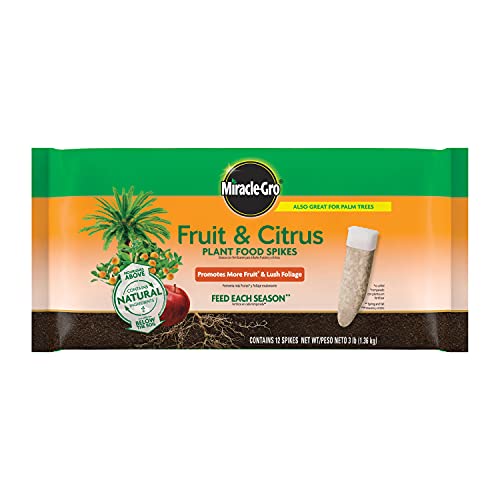
FORMULATED FOR CITRUS AND FRUIT TREES: Use these citrus fertilizer spikes on apple, orange, lemon, lime, and avocado trees; this formula is also great for feeding palm trees

Made for Lemon & Citrus Trees – Formulated to support healthy growth in lemon and citrus plants.
Climate Considerations
Idaho’s climate varies by region, affecting fruit tree selection. The state experiences hot summers and cold winters, along with varying amounts of rainfall. Most fruit trees need a minimum of 6 to 8 hours of sunlight daily. When choosing trees, consider the hardiness zones, typically ranging from zones 4 to 7. For example, apples and cherries flourish in cooler temperatures, while peaches prefer warmer spots. Be mindful of frost periods; spring frosts can damage blooms, so plant trees in areas with good airflow.
Soil Requirements
Soil plays a vital role in the health of your fruit trees. Well-drained soil is essential as most fruit trees are prone to root rot in overly saturated conditions. Aim for loamy or sandy soils with a pH between 6.0 and 7.0. Adding organic matter, such as compost, enhances soil fertility. Regular soil testing ensures you understand nutrient levels. For example, potassium and phosphorus are crucial for fruit development. If your soil is too acidic, consider adding lime to adjust the pH. If it’s too alkaline, sulfur can help lower it. Proper soil management fosters healthy growth and abundant fruit production.
Best Practices for Planting and Caring for Fruit Trees
Selecting the Right Location
Choose a site with full sunlight, ideally 6 to 8 hours daily. Look for areas with good air circulation to reduce disease risks. Select a spot away from large trees that may cast shade.
Soil Preparation
Test your soil before planting. Aim for a pH level between 6.0 and 7.0. If your soil is too acidic, add lime; if too alkaline, incorporate sulfur. Mix in organic matter, such as compost, to improve drainage and nutrient content.
Planting Techniques
Dig a hole twice the width of the root ball and the same depth. Gently place the tree in the hole, ensuring the root flare is level with the soil surface. Fill in with native soil, eliminating air pockets. Water well after planting to settle the soil.
Watering Guidelines
Water newly planted trees deeply and regularly, about once a week. As they establish, reduce frequency. During dry spells, monitor soil moisture to prevent stress. Aim for 1 to 2 inches of water weekly.
Pruning Practices
Prune trees in late winter to shape and remove dead or diseased branches. Aim for an open center to enhance air circulation and sunlight penetration. Remove about one-third of the previous year’s growth for young trees.
Fertilization Schedule
Use a balanced fertilizer in early spring as buds break. Follow package instructions for application rates. Avoid excessive nitrogen, as it can promote leafy growth at the expense of fruit.
Pest and Disease Management
Monitor trees regularly for signs of pests and diseases. Use organic treatments, such as neem oil, if needed. Maintain cleanliness by raking fallen leaves to prevent fungal diseases.
Harvesting Tips
Harvest fruit when it’s ripe. For apples, look for firmness and color change. Sweet cherries should come off with a slight twist. Always use clean scissors or clippers to avoid damaging the tree.
Following these best practices will help you successfully plant and care for your fruit trees in Idaho, ensuring a bountiful harvest season after season.
Conclusion
Growing fruit trees in Idaho can be a rewarding experience that brings delicious produce right to your backyard. By choosing the right varieties and providing them with the care they need you’ll set yourself up for success. Remember to pay attention to your specific climate and soil conditions to ensure your trees thrive.
With a little patience and dedication you can enjoy the beauty of blossoming trees and the satisfaction of harvesting your own fruit. So roll up your sleeves and get ready to create a fruitful oasis in your garden. Happy planting!
Frequently Asked Questions
What types of fruit trees can I grow in Idaho?
Idaho’s climate supports several fruit tree varieties, including apples (Honeycrisp, Fuji), cherries (Bing, Rainier), pears (Bartlett, Bosc), peaches (Contender, Redhaven), and plums (Stanley). Choose varieties that thrive in your local climate and elevation for the best results.
How much sunlight do fruit trees need in Idaho?
Most fruit trees in Idaho require 6 to 8 hours of sunlight daily. Selecting a sunny location with good air circulation is vital for healthy growth and fruit production.
What soil conditions are best for fruit trees in Idaho?
Fruit trees thrive in well-drained, nutrient-rich soil with optimal pH levels. Regular soil testing and incorporating organic matter can improve soil quality, benefiting fruit development.
How should I care for my fruit trees in Idaho?
Proper fruit tree care includes regular watering, pruning, and fertilization. Monitor for pests and diseases, and employ organic treatments when necessary to maintain tree health.
When is the best time to harvest fruit in Idaho?
Harvesting time varies by fruit type. Generally, fruit should be picked when it’s fully colored and easily detaches from the tree. Checking for ripeness regularly ensures the best flavor and quality.
