

Have you ever dreamed of picking fresh fruit right from your backyard? In Hawaii, that dream can become a reality with a variety of fruit trees thriving in the warm climate. Imagine enjoying juicy mangoes or sweet guavas without ever stepping foot in a grocery store.
Key Takeaways
- Variety of Fruit Trees: Hawaii’s climate supports a diverse range of fruit trees, including mango, guava, papaya, avocado, and citrus varieties, thriving in both tropical and subtropical conditions.
- Growing Conditions: Successful cultivation requires well-drained soil, ample sunlight (6-8 hours daily), and a consistent watering schedule to prevent root rot.
- Nutritional and Economic Benefits: Homegrown fruits offer higher nutritional value than store-bought options and can significantly reduce grocery costs while providing fresh flavors.
- Environmental Impact: Planting fruit trees improves air quality, provides shade, and supports local wildlife, contributing positively to the ecosystem.
- Community and Educational Value: Sharing harvests fosters community connections and provides educational opportunities about gardening, sustainability, and plant life cycles.
- Aesthetic Appeal: Fruit trees beautify landscapes, adding vibrancy and attractiveness to your yard while attracting pollinators.
Overview Of Fruit Trees In Hawaii
Hawaii’s climate creates an ideal environment for a diverse range of fruit trees. You can find tropical and subtropical species thriving across the islands. This guide covers some of the most popular fruit trees you can grow in your backyard.
Common Fruit Trees
- Mango Trees
Mango trees produce sweet, juicy fruits. They’re best planted in well-drained soil and require full sunlight. Regular watering supports fruit development. - Guava Trees
Guava trees thrive in various soil types. They grow quickly and bear fruit within two to four years. The fruit is aromatic and rich in nutrients. - Papaya Trees
Papaya trees grow fast and can produce fruit in as little as six months. They prefer warm temperatures and should be planted in a sunny spot. - Avocado Trees
Avocado trees yield creamy, nutrient-dense fruits. They thrive in well-draining soil and require consistent moisture. Choose a location with full sun exposure. - Citrus Trees
Citrus trees like oranges, lemons, and limes flourish in Hawaii. They thrive in well-drained soil and need regular fertilization. The fruits provide zesty flavors for various dishes.
Less Common Fruit Trees
- Lychee Trees
Lychee trees produce small, sweet fruits with a unique floral flavor. They prefer subtropical climates and require good drainage. - Longan Trees
Similar to lychee, longan trees offer sweet, translucent fruits. They need warm conditions and plenty of sunlight for optimal growth. - Breadfruit Trees
Breadfruit trees produce large, starchy fruits that can be cooked or roasted. They grow best in rich, well-drained soils.
- Soil Quality: Ensure your soil drains well and is rich in organic matter for healthy root growth.
- Sunlight: Most fruit trees need direct sunlight for at least six hours a day.
- Watering: Implement a consistent watering schedule. Avoid overwatering, as it can lead to root rot.
- Fertilization: Use organic fertilizers to promote growth and fruit development.
Hawaii’s warm climate offers abundant opportunities for growing fruit trees. With the right care and attention, you can enjoy fresh fruits right from your backyard.
Common Fruit Trees In Hawaii
Hawaii’s warm climate and rich soil foster the growth of numerous fruit trees. Here’s a look at the most common varieties you can grow in your backyard.
Recommended Products
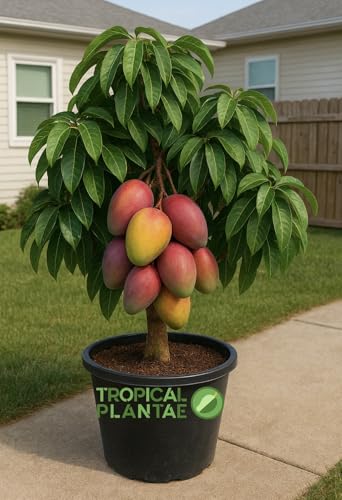
Imagine stepping into your backyard a few months from now and seeing a beautiful grafted Haden mango tree, growing stronger every day — a tree that will soon reward you with one of the most classic, flavorful mangoes ever grown.

Mango Tree, showcasing the Mahachanok variety, is an excellent addition to any garden or landscape. This carefully grafted tree offers the delightful taste and quality of Mahachanok mangoes, known for their sweet, tangy, and tropical flavor.

You will receive a plant approximately 8 inches tall with healthy roots planted in a 4 inch pot.
Tropical Fruit Varieties
- Mango: Mango trees flourish in Hawaii’s warm weather. They produce sweet, juicy fruits, particularly during the summer months. Choose a variety that suits your space and climate.
- Guava: Guava trees thrive in most Hawaiian soils. They offer fragrant fruits that can be eaten fresh or used in jams. Regular pruning keeps the trees healthy and productive.
- Papaya: Papaya trees grow quickly and produce sweet fruits year-round. They prefer sunny spots and well-drained soil. Plant several for continuous harvests.
- Avocado: Avocado trees adapt well to Hawai’i’s climate. Their creamy fruits add value to your diet. Select disease-resistant varieties to ensure a bountiful harvest.
- Passion Fruit: This vine-like tree produces tangy fruits that enhance various dishes and drinks. Passion fruit thrives in sunny areas with good support for its growth.
- Citrus Trees: Varieties like orange, lemon, and lime thrive in Hawaii’s subtropical conditions. Ensure they receive plenty of sunlight and water for the best results.
- Lychee: Lychee trees produce fragrant, sweet fruits popular in Asian cuisine. They require some care and thrive in wetter areas of Hawaii.
- Longan: Longan trees provide delicious, grape-like fruits full of flavor. These trees prefer slightly cooler areas and require protection from strong winds.
- Breadfruit: Breadfruit trees yield large, starchy fruits used in various dishes. They require ample water and are ideal for larger backyards.
- Pomegranate: Though less common, pomegranate trees thrive in subtropical areas of Hawaii. Their vibrant fruits are both tasty and rich in nutrients.
Benefits Of Growing Fruit Trees In Hawaii
Growing fruit trees in Hawaii offers numerous advantages, enhancing both your lifestyle and the environment.
Recommended Products

Tropical Fruit Seeds: Grow your own delicious mangoes at home with this set of 3 premium mango tree seeds, perfect for cultivating fresh, sweet tropical fruit right in your garden or indoor space

Mango Haden is a popular mango variety known for its delicious flavor and vibrant yellow skin. The medium to large-sized fruit has smooth, juicy flesh that is sweet and tangy.

Naturally Grown from Seed: Each mango tree is seed-grown for strong roots and natural vigor. Seedling mangoes adapt quickly to their environment and develop into healthy, productive tropical trees with lush foliage and beautiful growth form.
Delicious, Fresh Fruit
Enjoy access to fresh, organic fruit all year round. Picking fruits like mangoes and avocados straight from your yard brings satisfaction that store-bought options can’t match.
Nutritional Value
Homegrown fruits often retain more nutrients than store-bought varieties. Growing your own trees means you control the growing conditions, leading to healthier, more flavorful produce.
Environmental Impact
Fruit trees contribute positively to the environment. They provide shade, improve air quality, and support local wildlife by creating habitats for birds and beneficial insects.
Economic Savings
Cultivating your own fruit trees reduces grocery expenses. By harvesting your fruits, you spend less on produce while enjoying fresh flavors.
Aesthetic Appeal
Fruit trees enhance your landscape, adding beauty and diversity. Their flowers attract pollinators, and their fruits add vibrant colors to your yard.
Educational Opportunities
Engaging in fruit tree cultivation provides learning experiences for you and your family. You’ll gain knowledge about gardening, sustainability, and the life cycle of plants.
Community Connections
Sharing your harvest fosters community ties. Fresh fruits can be shared with neighbors, leading to stronger relationships and community spirit.
Sustainable Living
Growing fruit trees supports sustainable practices by promoting local food sources. This reduces the carbon footprint associated with transporting food from distant locations.
By incorporating fruit trees into your garden, you create a thriving ecosystem that benefits you and the environment.
Growing Conditions And Care Tips
Growing fruit trees in Hawaii requires attention to specific conditions. By understanding soil, sunlight, and water needs, you can cultivate a thriving garden.
Recommended Products

【INNOVATIVE 2-IN-1 TREE CLEANING & ROOT WATERING SYSTEM】 This unique 6.5FT spray pipe system is specially designed to spray water directly onto fruits, leaves, and delicate ornamental trees, helping remove dust, pollen, and surface residue. The falling water then naturally soaks into the soil, providing efficient root irrigation at the same time

Be a Gardening Master with the help of our superior and complete Drip Irrigation Kit: 10 Drip Irrigation Emitters Vortex + 20 Drip Emitters Spray + 50ft flexible & durable 5/16 irrigation tubing + 50ft 1/4 inch Drip Irrigation Tubing + 12 tubing coupler + 5 ¼ Tubing Tee Splitter + Tubing End Plugs + Water Connector + 1 x Complete Instructions Guide Hard Copy + 2 Grow your Own Vegetables & Fruits Guide full with pieces of advice and practical tips Digital Format.
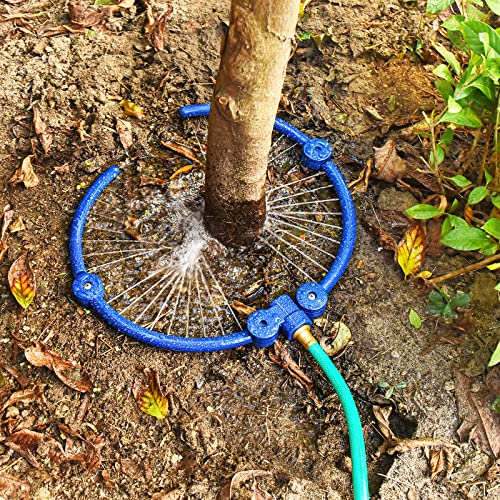
【Specially Designed for Trees and Shrubs】 The Watering Ring is a multi-purpose irrigation ring that attaches to a garden hose to efficiently water young trees shrubs vegetables or flower beds using drip or trickle irrigation.It directs water to the root perimeter of the plant to give them a good start during the first two growing seasons or through periods of drought.
Soil Requirements
You need well-drained soil for optimal growth. Sandy loam or volcanic soil works best for most fruit trees. Soil pH should stay between 6.0 and 7.0. Testing your soil can guide you in amending it. Adding organic matter, like compost, improves drainage and nutrient content. Mulching around trees retains moisture and suppresses weeds. For trees like avocados and mangoes, avoid heavy clay soils that retain too much water.
Sunlight And Water Needs
Fruit trees require full sunlight, ideally 6 to 8 hours per day. Position your trees in areas free from shading by buildings or other plants. Regular watering is essential, especially in dry months. Deep watering encourages stronger root systems. Aim for consistent moisture without waterlogging the roots. During growth, trees generally need about 1 to 2 inches of water weekly. Drip irrigation or soaker hoses provide efficient watering options. Adjust your watering schedule based on rainfall and soil drainage to prevent stress on the trees.
Conclusion
Growing fruit trees in Hawaii is not just about enjoying fresh produce; it’s about creating a lifestyle that’s both rewarding and sustainable. You get to savor the flavors of tropical fruits right from your backyard while contributing to a healthier environment.
With the right care and attention, your garden can flourish with a variety of trees that bring beauty and bounty. Embrace the joy of nurturing your plants and watch them thrive under the Hawaiian sun.
So whether you’re a seasoned gardener or just starting out, there’s no better time to dig in and plant your own slice of paradise. Happy planting!
Frequently Asked Questions
What types of fruit trees can be grown in Hawaii?
You can grow a variety of fruit trees in Hawaii, including mango, guava, papaya, avocado, and various citrus trees. Less common options like lychee, longan, and breadfruit are also viable. These trees thrive in Hawaii’s warm climate.
How do I start growing fruit trees in my backyard?
Begin by choosing suitable fruit trees for your area. Make sure to plant them in well-drained soil with good sunlight exposure and maintain a consistent watering schedule. Adding organic matter to the soil can also help promote growth.
What soil type is best for fruit trees in Hawaii?
The best soil for fruit trees in Hawaii is sandy loam or volcanic soil with a pH between 6.0 and 7.0. Ensuring well-drained soil is crucial to prevent waterlogging and promote healthy root systems.
How much sunlight do fruit trees need?
Fruit trees typically require full sunlight for optimal growth. Aim for 6 to 8 hours of direct sunlight each day to ensure healthy development and a bountiful harvest.
What are the benefits of growing fruit trees at home?
Growing fruit trees at home provides fresh, organic produce year-round, reducing grocery expenses. Additionally, they improve air quality, provide shade, and support local wildlife while enhancing your landscape and fostering community connections.
How often should I water my fruit trees?
Water your fruit trees regularly, ensuring deep watering to encourage strong root systems. A consistent schedule is key, with methods like drip irrigation or soaker hoses recommended to maintain optimal moisture levels without waterlogging.
