

Have you ever wished for a fruit tree that doesn’t need a partner to produce delicious fruit? Self-pollinating fruit trees might be just what you need. These trees can produce fruit on their own, making them perfect for small gardens or patios where space is limited.
Key Takeaways
- Definition and Function: Self-pollinating fruit trees can produce fruit without needing pollen from another tree, making them ideal for small gardens and urban settings.
- Popular Varieties: Common self-pollinating varieties include apple (like ‘Granny Smith’), peach (like ‘Red Haven’), cherry (like ‘Stella’), apricot (like ‘Tilton’), and plum (like ‘Methley’).
- Space Efficiency: These trees thrive in compact spaces, allowing gardeners with limited room to enjoy a fruitful harvest without requiring multiple trees.
- Increased Yield: Self-pollinating trees often produce more fruit compared to cross-pollinating varieties since they can fertilize themselves, ensuring consistent production.
- Cultivation Tips: Successful growth involves selecting the right variety, ensuring adequate sunlight (at least six hours daily), consistent watering, and appropriate fertilization.
- Maintenance Practices: Regular pruning, watering, and monitoring for pests are essential to maintain tree health and maximize fruit output from self-pollinating varieties.
What Are Self Pollinating Fruit Trees
Self-pollinating fruit trees can produce fruit without needing pollen from another tree. This ability allows them to thrive in smaller spaces, making them perfect for urban gardens or patios.
Self-pollination occurs when a tree’s flowers contain both male and female reproductive organs. These flowers can fertilize themselves, leading to fruit development. Some common self-pollinating fruit trees include:
- Cherry: Certain varieties, like the ‘Stella,’ produce sweet cherries without needing a pollinator.
- Peach: Many peach varieties self-pollinate, offering delicious fruit.
- Apricot: Trees such as ‘Tilton’ can bear fruit from their own pollen.
- Plum: Certain Japanese plum varieties are also self-fertilizing.
- Apple: Some apple trees can self-pollinate, though cross-pollination typically improves yield.
When growing self-pollinating fruit trees, consider these practical tips:
- Choose the Right Variety: Research which self-pollinating varieties are best suited for your climate and space.
- Plant in a Sunny Location: Ensure trees receive at least six hours of sunlight daily for optimal growth.
- Provide Adequate Water: Keep the soil consistently moist, especially during flowering and fruiting periods.
- Fertilize Appropriately: Use balanced fertilizers to encourage healthy tree growth and fruit production.
These trees often yield good harvests, adding flavor to your meals and enhancing your garden’s beauty. Gardening enthusiasts appreciate the convenience and ease of self-pollinating varieties.
Benefits of Self Pollinating Fruit Trees
Self-pollinating fruit trees offer several advantages that make them appealing for both novice and experienced gardeners. You’ll find that these trees excel in various aspects, enhancing your gardening experience.
Increased Yield
Self-pollinating fruit trees often produce higher yields compared to their cross-pollinating counterparts. Since they can fertilize themselves, the flowering process leads to consistent fruit production. For instance, a self-pollinating peach tree can bear a significant amount of fruit even when planted alone. This feature is particularly beneficial in climates where potential pollinators, like bees, may not be abundant at certain times.
Space Efficiency
Space efficiency becomes a key advantage with self-pollinating fruit trees. You can grow these trees in smaller gardens, patios, or urban settings where space is limited. Trees like the ‘Stella’ cherry or certain dwarf apple varieties thrive in confined areas. This compact growth makes it easier for you to cultivate a diverse garden even with minimal room, allowing for a productive growing environment.
Types of Self Pollinating Fruit Trees
Self-pollinating fruit trees come in various types, providing options for gardeners. You can find both common and exotic varieties that thrive in different conditions.
Common Varieties
- Apple Trees: Certain apple tree varieties, like ‘Granny Smith’ and ‘Fuji,’ are self-pollinating. They produce fruit without requiring another apple tree nearby.
- Peach Trees: Many peach varieties, such as ‘Red Haven’ and ‘Elberta,’ can fertilize themselves. These trees deliver sweet, juicy peaches and fit well in small spaces.
- Cherry Trees: Varieties like ‘Stella’ and ‘North Star’ are known for their self-pollination capabilities. They yield delicious cherries even without other cherry trees.
- Apricot Trees: Varieties such as ‘Tilton’ and ‘Katy’ are self-fertilizing, leading to fruitful harvests. Their compact size is ideal for small gardens.
- Plum Trees: Certain Japanese plum varieties, like ‘Methley,’ can self-pollinate. They thrive in various climates and produce sweet, juicy fruits.
- Fig Trees: Figs, such as ‘Brown Turkey,’ self-pollinate to produce sweet fruit. These trees add a unique touch to your garden and do well in warmer climates.
- Pomegranate Trees: The ‘Wonderful’ pomegranate is a self-pollinating option. It offers bright red fruit with a tangy flavor, perfect for Mediterranean climates.
- Kiwi Vines: While most kiwi varieties require cross-pollination, certain varieties like ‘Hardy Kiwi’ can self-pollinate. They produce small, sweet fruits and can climb trellises or fences.
- Mulberry Trees: ‘Dwarf Everbearing’ mulberries are self-pollinating. These trees are well-suited for small yards and produce delightful berries.
- Citrus Trees: Some citrus varieties, like ‘Improved Meyer Lemon,’ self-pollinate efficiently. They thrive in pots and offer vibrant fruits, adding zest to your dishes.
Choosing the right self-pollinating fruit trees enhances your garden’s productivity and beauty. Evaluate your space and climate to find the best fit.
Cultivation Tips for Self Pollinating Fruit Trees
Cultivating self-pollinating fruit trees requires attention to specific factors for optimal growth and fruit production. By following the right practices, you can enjoy a bountiful harvest even from a small space.
Recommended Products
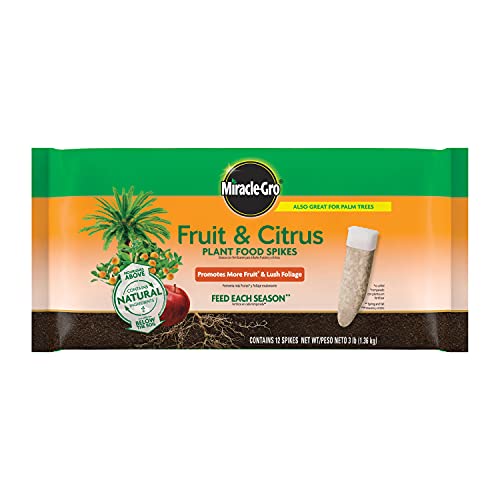
FORMULATED FOR CITRUS AND FRUIT TREES: Use these citrus fertilizer spikes on apple, orange, lemon, lime, and avocado trees; this formula is also great for feeding palm trees

Made for Lemon & Citrus Trees – Formulated to support healthy growth in lemon and citrus plants.

Package contains 4 Pounds organic fruit and citrus fertilizer grains and is produced to avoid wasteful runoff, mess, hazards and smells
Planting Considerations
Choose a well-drained site with sufficient sunlight. Most self-pollinating trees thrive in full sun, with at least six hours of direct light daily. Space the trees according to their mature size, ensuring air circulation to prevent diseases. Consider planting in the spring for best results. To enhance soil quality, amend with organic matter, such as compost, before planting. This enriches the ground and supports healthy root development.
Care and Maintenance
Water self-pollinating fruit trees regularly, especially during dry periods. Aim for about an inch of water per week, adjusting based on rainfall. Mulching around the base helps retain moisture and suppress weeds. Prune trees annually in late winter or early spring to maintain shape and remove dead or diseased branches. Apply a balanced fertilizer in early spring to support vigorous growth. Monitor for pests, like aphids or fruit flies, and act promptly to treat any infestations using organic pesticides or natural remedies.
By following these tips, you create a thriving environment for your self-pollinating fruit trees, leading to healthy plants and strong fruit production.
Conclusion
Self-pollinating fruit trees offer a fantastic solution for gardeners with limited space. They’re not only easy to grow but also provide a bountiful harvest without needing another tree nearby. By selecting the right varieties and following simple care tips, you can enjoy fresh fruit right from your garden.
Whether you’re looking to add a splash of color or enhance your garden’s productivity, these trees are a great choice. Embrace the joy of gardening and watch your self-pollinating fruit trees flourish, bringing delicious rewards year after year. Happy gardening!
Frequently Asked Questions
What are self-pollinating fruit trees?
Self-pollinating fruit trees are trees that can fertilize themselves without the need for a partner tree. They contain both male and female reproductive organs in their flowers, allowing them to produce fruit independently. This makes them ideal for small gardens or patios where space is limited.
Which fruit trees are self-pollinating?
Common self-pollinating fruit trees include certain apple varieties like ‘Granny Smith’ and ‘Fuji,’ peach trees such as ‘Red Haven’ and ‘Elberta,’ and cherry trees like ‘North Star.’ Other examples are apricots (‘Tilton’ and ‘Katy’), Japanese plums (‘Methley’), and figs (‘Brown Turkey’).
What are the benefits of self-pollinating fruit trees?
Self-pollinating fruit trees offer increased yields and space efficiency. They can produce fruit consistently, even without pollinators like bees, and are well-suited for smaller gardens. Their compact growth allows for a diverse and productive garden in limited spaces.
How should I care for self-pollinating fruit trees?
To care for self-pollinating fruit trees, plant them in well-drained sites with plenty of sunlight. Water them regularly, especially during dry spells, and apply balanced fertilizer in early spring. Annual pruning and mulching to retain moisture are also essential for healthy growth.
Can self-pollinating trees fruit without other trees nearby?
Yes, self-pollinating trees can produce fruit without the presence of other trees. Since they can fertilize themselves, they are capable of producing fruit independently, making them a perfect choice for gardeners with limited space.
