

Using copper fungicide on quince trees effectively combats fungal diseases while promoting healthy growth. This guide outlines essential steps for application, safety precautions, and maintenance to ensure your quince trees thrive.
Copper Fungicide Application Preparation Tools
Proper preparation is essential for the effective application of copper fungicide on quince trees. This section outlines the necessary tools and equipment to ensure a successful treatment process, helping to promote healthy growth and protect your trees from fungal diseases. Understanding these preparations will enhance your gardening efforts and ensure optimal results.
Before applying copper fungicide, gather the necessary tools and materials. Proper preparation ensures effective treatment and minimizes risks.
Copper fungicide (liquid or powder form)
Protective gear (gloves, mask, goggles)
Sprayer (handheld or backpack)
Measuring cup for precise dosage
Water source for dilution
Application Safety Guidelines for Copper Fungicide
When using copper fungicide on quince trees, adhering to application safety guidelines is crucial for both effective disease management and the protection of the plants. These guidelines ensure that the fungicide is applied correctly, minimizing risks to the tree’s health and the surrounding environment. Understanding these safety measures will help gardeners achieve optimal results while maintaining a safe gardening practice.
Preparing for the application of copper fungicide is crucial for safety and effectiveness. Always read the label for specific instructions regarding the product you are using.
Ensure you wear protective gear to prevent skin contact and inhalation of fumes. Apply the fungicide during calm weather to avoid drift onto non-target plants. Early morning or late afternoon is ideal for application when temperatures are cooler.
Recommended Products
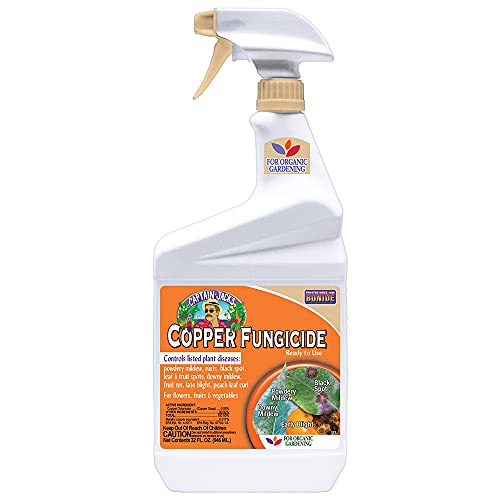
Control fungus and disease in your garden with Captain Jack’s ready-to-use Liquid Copper Fungicide!

Control plant common plant diseases in your home garden with Copper Fungicide Spray or Dust from Bonide!

For control of disease on vegetables, ornamentals, Fruit and nut crops & algae in turfgrass
Mixing and Applying Copper Fungicide Safely
Applying copper fungicide effectively is crucial for maintaining the health of quince trees. This section outlines the best practices for mixing and applying the fungicide to ensure optimal results while prioritizing safety for both the trees and the applicator. Understanding these guidelines will help you protect your quince trees from fungal diseases while promoting vigorous growth.
Mixing and applying copper fungicide requires careful attention to detail. Follow these steps to ensure optimal results.
Measure the recommended amount of copper fungicide according to the label instructions.
Dilute the fungicide in water as specified.
Fill the sprayer with the diluted solution.
Spray the mixture evenly on the foliage, focusing on the undersides of leaves where fungal spores often reside.
Repeat the application every 7 to 14 days during the growing season as needed.
| Step | Action | Notes |
|---|---|---|
| 1 | Measure | Follow label instructions |
| 2 | Dilute | Use proper water ratio |
| 3 | Fill | Ensure sprayer is clean |
| 4 | Spray | Cover all foliage |
| 5 | Repeat | Every 7-14 days |
Identifying Fungal Threats to Quince Trees
Quince trees are susceptible to various fungal diseases that can hinder their growth and fruit production. Understanding how to identify these threats is crucial for maintaining the health of your trees. This section will explore common fungal issues that affect quince trees, helping you recognize symptoms early and take appropriate action.
Quince trees are susceptible to various fungal diseases that can hinder growth and fruit production. Recognizing symptoms early can help in timely intervention.
Common diseases include:
Powdery mildew: White powdery spots on leaves
Crown rot: Wilting and yellowing leaves, root decay
Leaf spot: Dark spots on leaves leading to premature leaf drop
Symptom Recognition for Quince Treatment
Recognizing symptoms of disease or pest damage on quince trees is crucial for effective treatment and maintaining their health. This section outlines the key signs to look for, enabling you to identify issues early and take appropriate action. Understanding these symptoms will empower you to ensure your quince trees thrive and produce abundant fruit.
Recognizing symptoms allows for prompt treatment. Use the Quick-Look table below for quick diagnosis.
| Symptom | Primary Suspect | Difficulty (1-5) |
|---|---|---|
| White powdery spots | Powdery mildew | 2 |
| Wilting leaves | Crown rot | 4 |
| Dark leaf spots | Leaf spot | 3 |
Post-Treatment Care for Quince Trees
After applying copper fungicide to quince trees, proper post-treatment care is essential for promoting healthy growth and preventing disease recurrence. This section outlines the critical steps to ensure your quince trees recover effectively and thrive in their environment, including watering, monitoring for pests, and maintaining optimal conditions. Following these guidelines will help safeguard your trees’ health and productivity.
Post-application care is essential for maintaining healthy quince trees. Regular monitoring and proper cultural practices will support recovery and growth.
Water consistently to prevent stress.
Prune dead or diseased branches to improve air circulation.
Fertilize with a balanced fertilizer to support new growth.
Monitoring Quince Trees for Disease Signs
Regular monitoring of quince trees is essential for early detection of diseases that can hinder their growth and fruit production. By observing specific signs and symptoms, you can take proactive measures to maintain the health of your trees and ensure a bountiful harvest. This section outlines the key indicators to watch for in your quince trees.
After treatment, keep an eye on your quince trees for any signs of disease recurrence. Early detection allows for timely intervention, ensuring the health of your trees.
Fungal diseases can quickly spread if not addressed promptly. Regular inspections are vital for maintaining tree health.
