

Have you ever wondered which fruit trees will thrive in your garden if you live in zone 7? Growing your own fruit can be incredibly rewarding, but picking the right trees can make all the difference. With a climate that offers a mix of warm summers and mild winters, zone 7 is perfect for a variety of delicious options.
Imagine stepping into your backyard and picking fresh apples, peaches, or figs right off the tree. This article will guide you through the best fruit trees suited for your zone, helping you create a fruitful oasis. You’ll discover which varieties flourish in your area and how to care for them, ensuring you enjoy a bountiful harvest for years to come.
Key Takeaways
- Ideal Climate for Fruit Trees: Zone 7 features a moderate climate with winter temperatures between 0°F and 10°F, allowing a variety of fruit trees to thrive due to its 210-day growing season.
- Best Fruit Trees: Recommended fruit trees for Zone 7 include apples (‘Honeycrisp’, ‘Fuji’, ‘Granny Smith’), pears (‘Bartlett’, ‘Bosc’), cherries (‘Bing’, ‘Montmorency’), and plums (‘Santa Rosa’, ‘Methley’).
- Soil and Sunlight Requirements: Fruit trees flourish in well-drained, fertile soil with an ideal pH of 6.0 to 7.0 and at least six hours of direct sunlight daily, which is essential for healthy growth and fruit production.
- Planting and Care Tips: Proper planting techniques, such as adequate spacing, regular watering, and appropriate pruning, are crucial for establishing strong root systems and maximizing fruit yields.
- Seasonal Care: Understanding seasonal changes helps in scheduling planting and harvesting; spring blooms lead to summer fruit development, while fall is for harvest and winter allows trees to rest.
- Lesser-Known Options: Consider unique fruit trees like figs (‘Brown Turkey’, ‘Celeste’) and pomegranates (‘Wonderful’) for diversity in your garden, which also provide ornamental beauty in addition to delicious fruits.
Understanding Zone 7 Climate
Zone 7 features a moderate climate ideal for growing fruit trees. This zone typically experiences winter temperatures ranging from 0°F to 10°F. The growing season spans approximately 210 days, allowing for the cultivation of various fruit trees.
Temperature and Frost Dates
In Zone 7, the average last frost date falls between mid-April to early May. The first frost usually occurs in late October. Knowing these dates helps you plan planting schedules to protect young trees from frosts.
Rainfall and Soil Conditions
Zone 7 receives around 40 to 50 inches of rainfall annually, crucial for fruit tree health. The soil tends to be well-drained, sandy, or loamy, providing an excellent foundation for root systems. You should incorporate organic matter to enhance soil fertility.
Sunlight Requirements
Most fruit trees thrive in full sun, requiring at least six hours of direct sunlight daily. Consider planting in areas that receive ample sunlight to ensure healthy growth and fruit production.
Seasonal Changes
Spring brings blooming flowers, while summer yields fruit development. Fall signifies harvesting time, and winter allows trees to rest. Understanding these seasonal changes aids in proper tree care throughout the year.
With this climate knowledge, you can confidently choose the right fruit trees for your garden in Zone 7.
Ideal Conditions for Fruit Trees
Fruit trees thrive in Zone 7 with the right conditions. Understanding these essential factors helps you create a fruitful garden.
Soil Requirements
Healthy soil directly impacts the growth of your fruit trees. Aim for well-drained, fertile soil rich in organic matter. Test the pH level; most fruit trees prefer a slightly acidic to neutral pH of 6.0 to 7.0. Amending the soil with compost or aged manure boosts nutrient levels. Avoid heavy clay or compacted soil, as it retains water and can suffocate roots.
Sunlight and Temperature
Sunlight plays a crucial role in fruit tree success. Most fruit trees require at least six hours of direct sunlight daily. Position your trees in a sunny spot to promote healthy growth and fruit production.
Temperature matters, too. Zone 7’s winter lows range from 0°F to 10°F, which suits many fruit trees. The average last frost date is between mid-April and early May, while the first frost arrives in late October. Be mindful of these dates to protect blossoms from frost damage.
Top Fruit Trees for Zone 7
Zone 7 offers an excellent climate for growing a variety of fruit trees. With the right care, you can enjoy a bountiful harvest from your garden.
Recommended Products

Thrives in well-drained soil, ensuring optimal growth conditions and longevity.
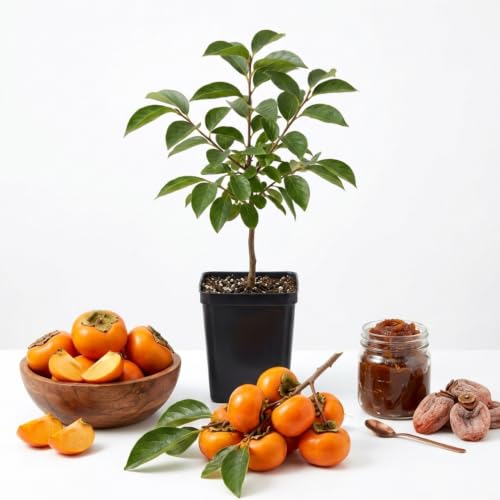
Sweet American Persimmon Trees Live Plants, Dormant Seedlings,6-12 Inches Well Rooted, Winter Hardy Persimmon Tree Fruit

Includes 2 well-rooted blueberry plant 5 to 10 inches tall for easy transplanting and strong establishment
Apple Trees
Apple trees thrive well in Zone 7 and produce delicious fruit. Choose varieties like ‘Honeycrisp,’ ‘Fuji,’ or ‘Granny Smith’ for reliable yields. Plant these trees in well-drained soil with full sunlight to maximize fruit production. Regular pruning keeps trees healthy and increases airflow. Water young trees deeply during dry spells to help establish strong roots.
Pear Trees
Pear trees, particularly ‘Bartlett’ and ‘Bosc,’ flourish in Zone 7. These trees appreciate fertile, well-drained soil and benefit from at least six hours of sunlight daily. Pairing different pear varieties encourages better pollination and fruit set. Watch for pests like pear psylla and treat them promptly to protect your harvest. Mulching around the base conserves moisture and suppresses weeds.
Cherry Trees
Cherry trees add beauty and flavor to your landscape. Opt for sweet varieties like ‘Bing’ or sour types like ‘Montmorency’ for home gardens. Plant in a sunny spot with good air circulation to prevent diseases. Water the trees generously during dry periods, especially when fruit is forming. For optimal fruit production, thin the flowers in spring.
Plum Trees
Plum trees, such as ‘Santa Rosa’ or ‘Methley,’ grow well in Zone 7. These trees require full sun and well-drained soil for healthy growth. Thin out excess fruit in early summer to maximize fruit size and quality. Watch for diseases like black knot and treat affected branches immediately. Pruning in late winter promotes new growth and fruit production.
Lesser-Known Fruit Trees for Zone 7
Zone 7 offers a range of opportunities for unique fruit trees that thrive in its climate. Consider these options for your garden to diversify your fruit harvest.
Fig Trees
Fig trees flourish in Zone 7, producing sweet and delicious fruits. Varieties like ‘Brown Turkey’ and ‘Celeste’ develop well in this region. These trees favor full sun, needing at least six hours of direct sunlight daily.
Tips for Planting:
- Choose a spot with well-drained soil to prevent root rot.
- Space trees at least 15 feet apart for air circulation.
- Water consistently, especially during dry periods.
Harvesting:
Figs typically ripen in late summer to early fall. Keep an eye on the fruits; they soften and change color when ready to pick.
Pomegranate Trees
Pomegranate trees also thrive in Zone 7, offering both ornamental beauty and tasty fruits. Varieties such as ‘Wonderful’ bring vibrant blooms along with flavorful seeds. These trees excel in full sun and tolerate some drought conditions.
- Select a sunny location with fertile, well-drained soil.
- Ensure space of at least 10 feet between trees for optimal growth.
- Protect young trees from frost in early spring.
Harvesting:
Pomegranates usually mature in late summer to early fall. They produce a round shape and a slight give when ripe. Look for shiny red skin, indicating sweetness inside.
Integrating fig and pomegranate trees into your Zone 7 garden adds diversity. Both trees not only yield delicious fruits but also enhance the landscape with their unique characteristics.
Conclusion
Growing fruit trees in Zone 7 can be an incredibly fulfilling endeavor. With the right choices and care you can enjoy a bountiful harvest of delicious fruits right from your own backyard. Whether you opt for classic varieties like apples and pears or venture into the world of figs and pomegranates there’s something for everyone.
Remember to pay attention to soil quality sunlight and watering needs to ensure your trees thrive. With a little patience and dedication your garden can become a fruitful paradise. So get ready to dig in and start planting those trees that’ll bring joy and flavor to your table for years to come.
Frequently Asked Questions
What fruit trees are best for Zone 7?
Apple trees like ‘Honeycrisp’ and ‘Fuji’, pear trees such as ‘Bartlett’, cherry varieties like ‘Bing’, and plum trees like ‘Santa Rosa’ thrive in Zone 7. Additionally, fig and pomegranate trees can add variety and flavor to your garden.
What is the growing season in Zone 7?
Zone 7 has an approximate growing season of 210 days. This allows for a wide variety of fruit trees to flourish, making it ideal for home gardeners looking to grow fresh fruit.
How should I prepare the soil for fruit trees in Zone 7?
Soil should be well-drained, fertile, and rich in organic matter, with a pH level between 6.0 and 7.0. It’s beneficial to amend the soil with compost or aged manure before planting.
How much sunlight do fruit trees need?
Most fruit trees require a minimum of six hours of direct sunlight daily for optimal growth and fruit production. Proper sunlight exposure is crucial for a successful harvest.
When do frost dates occur in Zone 7?
The average last frost in Zone 7 typically occurs between mid-April and early May, while the first frost generally happens in late October. This timing is vital for planning your planting schedule.
How much rainfall does Zone 7 receive annually?
Zone 7 receives about 40 to 50 inches of rainfall annually. Adequate moisture is important, but it’s also essential to ensure proper drainage to avoid root rot in fruit trees.
Are there any unique fruit trees for Zone 7?
Yes, lesser-known fruit trees like figs and pomegranates thrive in Zone 7. Varieties such as ‘Brown Turkey’ figs and ‘Wonderful’ pomegranates not only provide delicious fruit but also enhance garden aesthetics.
What care tips should I follow for fruit trees?
Regular pruning, consistent watering, and proper pest management are key to maintaining healthy fruit trees. Additionally, monitor soil conditions and protect young trees from frost to ensure a fruitful harvest.
