

Have you ever looked at your apple tree and wondered why it’s not producing fruit? You’re not alone. Many gardeners face this frustrating situation, especially after putting in the time and care to nurture their trees.
Understanding the reasons behind a lack of fruit can help you turn things around. Whether it’s an issue with pollination, weather conditions, or tree health, knowing what to look for can make all the difference. This article will guide you through common problems and offer practical solutions to help your apple tree thrive and bear fruit again.
Key Takeaways
- Pollination Matters: Ensure your apple tree has access to other compatible varieties for cross-pollination to promote fruit production.
- Choose the Right Variety: Research and select apple tree varieties that suit your local climate and have suitable growth habits for successful fruiting.
- Monitor Environmental Factors: Keep an eye on climatic conditions and soil quality. Ensure your apple tree is in well-draining soil with appropriate pH and nutrient levels.
- Address Tree Health: Regularly inspect your apple tree for pests, diseases, and nutrient deficiencies. Promptly treat any issues to maintain tree vitality.
- Consistent Care Practices: Implement proper pruning, watering, and fertilization techniques to boost tree health and maximize fruit yield.
- Regular Soil Testing: Conduct soil tests periodically to monitor nutrient levels and amend the soil as necessary to sustain apple tree growth.
Common Reasons for Apple Trees Not Producing Fruit
Several factors can contribute to apple trees not producing fruit. Understanding these reasons can help you troubleshoot and encourage a bountiful harvest.
Recommended Products


Realistic Mini Apple Tree Model: Crafted with detailed trunks, branches, leaves, and apples, these artificial apple tree miniatures provide a lifelike orchard experience ideal for home dcor, train scenery, and diorama displays

Lack of Pollination
Pollination plays a critical role in fruit production. Apple trees often require cross-pollination from another variety to set fruit. Without nearby compatible trees, your apple tree may not produce any apples. Consider planting different apple tree varieties within close distance to improve cross-pollination. You can also attract pollinators like bees by planting flowering plants nearby.
Poor Variety Choice
Choosing the right apple tree variety is essential for successful fruiting. Some apple varieties don’t produce fruit until they reach maturity, which can take several years. Others may require specific growing conditions or climates to thrive. Research the best varieties for your region, paying attention to their pollination requirements and growth habits. Consider varieties that are known for their reliability in your area to increase your chances of fruit production.
Environmental Factors
Environmental factors significantly affect apple tree fruit production. Understanding these elements can help you create optimal conditions for your trees.
Climatic Conditions
Climatic conditions play a crucial role in whether your apple tree produces fruit. Apples thrive in temperate climates with distinct seasons. Inadequate chilling hours—those cold temperatures below 45°F—can hinder fruit set. Excessive heat during the flowering period can also lead to poor pollination. For example, if temperatures rise above 85°F when the blossoms open, pollinators may become less active. Monitor the climate in your area and select apple varieties suited for your specific weather patterns.
Soil Quality
Soil quality directly impacts the health and productivity of your apple tree. Well-draining soil is essential; waterlogged roots can lead to tree stress or disease. Aim for loamy soil with a pH level between 6.0 and 7.0. Conduct a soil test to determine its nutrient content. If the soil is lacking in essential nutrients (like nitrogen, phosphorus, or potassium), amend it accordingly. Adding organic matter, like compost, can enhance soil fertility and structure, providing a solid foundation for your apple tree’s growth.
Tree Health Issues
Tree health problems can significantly impact fruit production. Identifying these issues early helps you take the necessary steps to revitalize your apple tree.
Recommended Products
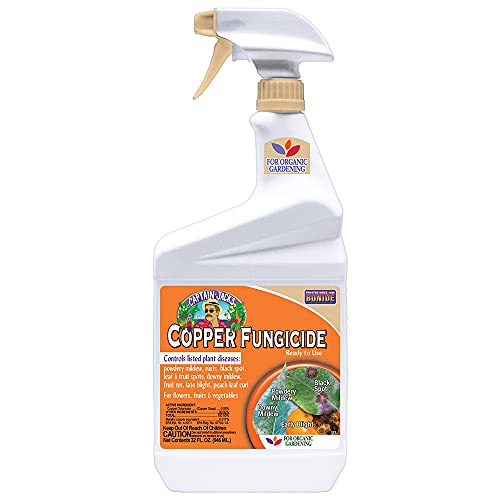
Control fungus and disease in your garden with Captain Jack’s ready-to-use Liquid Copper Fungicide!

Control diseases and insects in your garden with Captain Jack’s Fruit Tree Spray Concentrate! Use on a variety of listed fruits, nuts and citrus plants.

Control diseases and insects in your garden with Captain Jack’s Fruit Tree Spray Concentrate! Use on a variety of listed fruits, nuts and citrus plants.
Pests and Diseases
Pests and diseases affect apple trees in multiple ways. Common pests include aphids, spider mites, and codling moths. These insects can weaken trees and damage leaves and fruit. Inspect your tree regularly for signs of infestation, such as sticky residue or visible insects.
Fungal diseases like apple scab and powdery mildew also hinder fruit production. Check for dark spots or a powdery coating on leaves. Treating these issues promptly using organic fungicides or horticultural oils can restore your tree’s health. Maintaining proper spacing and airflow around your tree minimizes disease risk.
Nutrient Deficiencies
Nutrient deficiencies result in poor growth and low fruit yield. Essential nutrients for apple trees include nitrogen, phosphorus, and potassium. A nitrogen deficiency can cause yellowing leaves, while phosphorus deficiency often leads to stunted fruit growth. Potassium helps improve fruit quality; without it, apples may be smaller and less flavorful.
Conduct a soil test to determine nutrient levels. After testing, amend the soil using fertilizers that match your tree’s needs. Organic options like compost or aged manure enhance soil quality while providing necessary nutrients. Following a regular fertilization schedule ensures your apple tree stays healthy and promotes fruitful growth.
Care and Maintenance Practices
Caring for your apple tree involves consistent practices that significantly enhance fruit production. Understanding pruning techniques and proper watering and fertilization strategies ensures your tree thrives.
Recommended Products

▲【Large Fruit Picker Basket with Claw】Our fruit picker rake comes with metal twist on head basket( 9"x5.5"x5.5") for picking avocado, tangerines, apple, persimmon, grapefruit, mango, apple, pear, fig, orange, papaya,mandarins, lemons, jujubes and more fruit in four seasons.


【Surgical-Precision Grafting Tools】 Crafted with Japanese SK5 High-Carbon Steel blades (HRC 58-60 hardness) and ergonomic ABS handles, our 2-in-1 pruner delivers clean cuts up to 1/2" diameter branches. Dual-edge Ω/U/V blades prevent stem crushing, boosting grafting success rates by 40%* (*lab test data).
Pruning Techniques
Pruning your apple tree fosters healthy growth and fruit production. Start by removing dead, diseased, or crossing branches. Aim to create an open structure that allows sunlight to penetrate. Prune during late winter or early spring before bud break for the best results. Focus on the following:
- Shape the Tree: Aim for a central leader or open center design to encourage growth.
- Thin Out Branches: Space branches 6 to 8 inches apart to maximize airflow.
- Limit New Growth: Prune back one-third of new growth each year to maintain balance.
- Remove Suckers: Cut off any suckers that grow at the base of the tree to direct energy to fruit production.
These techniques promote better sunlight exposure, airflow, and energy distribution within the tree.
Watering and Fertilization
Consistent watering and proper fertilization play vital roles in fruit production. Apple trees typically require deep watering every week, particularly during dry spells. Follow these guidelines:
- Watering: Water the roots, not the leaves. Ensure the soil stays moist but not soggy. Aim for about 1 inch of water weekly, adjusting based on rainfall.
- Fertilization: Apply a balanced fertilizer in early spring. Select a fertilizer with equal ratios of nitrogen, phosphorus, and potassium (e.g., 10-10-10).
- Reassess: Conduct a soil test every few years to check nutrient levels and adjust your fertilization approach.
Implementing these practices helps your apple tree to flourish, enabling high-quality fruit production.
Conclusion
Getting your apple tree to bear fruit can feel like a puzzle but don’t lose hope. By paying attention to pollination needs tree health and environmental factors you can set the stage for a bountiful harvest.
Remember to choose the right variety for your area and provide the care it needs. Regular inspections and proper maintenance will keep your tree healthy and ready to produce. With a little patience and the right approach your apple tree can flourish and reward you with delicious fruit. Happy gardening!
Frequently Asked Questions
Why are my apple trees not producing fruit?
Apple trees may not produce fruit due to several factors, including lack of proper pollination, unsuitable climate conditions, or poor tree health. Ensuring that different apple varieties are planted nearby can enhance pollination, while maintaining tree health is crucial for fruit production.
How important is pollination for apple trees?
Pollination is essential for apple trees as many varieties require cross-pollination from another apple type to bear fruit. Planting multiple varieties within proximity can significantly increase fruit set and yield.
What climate conditions do apple trees need to thrive?
Apple trees prefer temperate climates with distinct seasons. They need adequate chilling hours in winter and moderate temperatures during flowering. Extreme heat or insufficient chill hours can negatively affect fruit development.
How can I improve the soil for my apple trees?
To improve soil for apple trees, conduct a soil test to assess nutrient levels. Enhance the soil with organic matter and ensure it’s well-draining and loamy, which supports healthy root growth and fruit production.
What pests and diseases affect apple trees?
Common pests like aphids and spider mites, along with diseases such as apple scab and powdery mildew, can harm apple trees. Regular inspections and prompt treatments with organic options are vital for managing these threats.
What are the best practices for watering apple trees?
Water apple trees deeply at least once a week, especially during dry spells. Avoid surface watering to ensure moisture reaches the roots, which supports healthy growth and fruit production.
When should I prune my apple trees?
The best time to prune apple trees is during late winter or early spring before new growth begins. This helps remove dead branches and opens the canopy for better sunlight penetration, promoting fruitful growth.
How can I ensure my apple trees get the right nutrients?
Conducting regular soil tests helps identify nutrient deficiencies. Amend the soil with balanced fertilizers, especially organic options, to provide necessary nutrients like nitrogen, phosphorus, and potassium for healthy apple trees.
