

Have you ever noticed pesky insects ruining the fruits on your beloved trees? You’re not alone. Many fruit tree owners face the same frustrating battle against these unwanted pests. Whether it’s aphids, caterpillars, or fruit flies, they can quickly turn your harvest into a disappointment.
Key Takeaways
- Identify Common Pests: Understand the specific insects that commonly infest fruit trees, such as aphids, caterpillars, and fruit flies, to address infestations quickly.
- Detect Infestation Signs: Monitor for symptoms like wilting leaves, discoloration, and visible pests to catch infestations early and minimize damage.
- Utilize Natural Control Methods: Implement beneficial insects and organic sprays like neem oil and insecticidal soap as environmentally friendly solutions for pest management.
- Consider Chemical Solutions Wisely: Use insecticides when necessary, but weigh their pros and cons, including potential harm to beneficial insects and the ecosystem.
- Adopt Integrated Pest Management (IPM): Combine monitoring, prevention techniques, and balanced applications of natural and chemical methods for effective and sustainable pest control.
Understanding The Insect Problem
Insect infestations on fruit trees can lead to significant damage. Recognizing which pests are problematic and spotting signs of an infestation are crucial for effective treatment.
Common Insects That Affect Fruit Trees
- Aphids: Small, soft-bodied insects that suck sap from leaves, causing curling and yellowing.
- Caterpillars: Larvae of butterflies and moths that feed on leaves, resulting in large holes or defoliation.
- Fruit Flies: Tiny flies that lay eggs in fruit, leading to rotting and a poor harvest.
- Spider Mites: Microscopic pests that create fine webbing and cause stippling on leaves.
- Scale Insects: Small, shell-like pests that attach to branches and leaves, draining nutrients.
- Wilting Leaves: Leaves may droop or drop prematurely due to sap loss.
- Discoloration: Yellowing or browning of leaves can indicate a pest issue.
- Visible Pests: Finding insects on leaves, branches, or fruit is a clear indicator of infestation.
- Missing Foliage: Noticeable leaf loss suggests feeding activity from caterpillars or other pests.
- Webbing: Fine webs on branches or leaves point to spider mite presence.
Recognizing these insects and their signs helps you tackle infestations promptly, ensuring a healthier fruit tree and better harvests.
Natural Methods To Kill Insects
Natural methods for insect control can effectively safeguard your fruit trees while maintaining environmental health. Consider the following strategies to tackle insect infestations.
Recommended Products
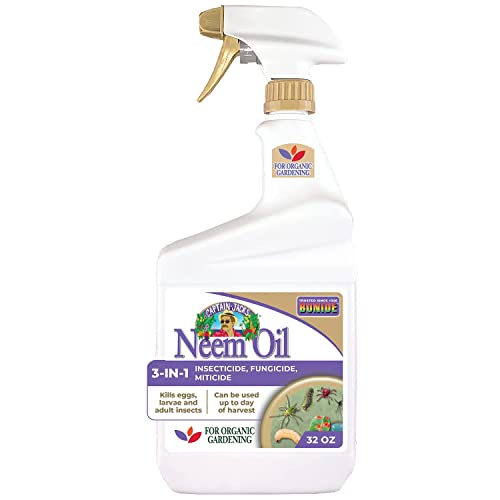
Protect your oasis with 3 garden products in 1 from Captain Jack’s; Bonide Captain Jack’s Ready-to-Use Neem Oil spray for plants is a multi-purpose fungicide, insecticide and miticide for your lawn & garden
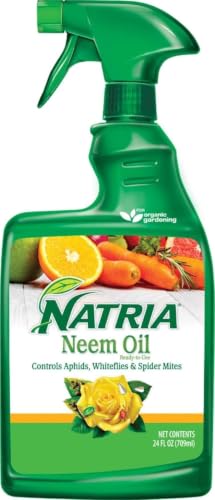
PLANT DISEASE CONTROL: Natria Neem Oil acts as an insecticide and fungicide in one convenient spray; Ready-to-use trigger sprayer requires no mixing

FUNGAL DISEASE CONTROL: Prevents and controls black spot on roses, powdery mildew, rust, downy mildew, and other listed fungal diseases when applied on a 7–14 day schedule
Beneficial Insects
You can introduce beneficial insects to combat pest problems naturally. Some key examples include:
- Ladybugs: These insects consume aphids and help keep their populations in check.
- Lacewings: Known as “aphid lions,” lacewing larvae eat a variety of pests, including aphids and spider mites.
- Parasitic Wasps: These tiny wasps target caterpillars and other harmful insects. They lay eggs inside the pest, effectively killing them.
Encouraging a habitat for these beneficial insects involves planting a mix of flowers and herbs that attract them. Avoid using harmful pesticides that may eliminate both pests and beneficial insects.
Organic Sprays and Treatments
You can use organic sprays as a non-toxic solution for pest control. Here are a few effective options:
- Neem Oil: Derived from the seeds of the neem tree, this oil disrupts the life cycle of various insects. Mix 2 tablespoons of neem oil with 1 gallon of water and spray on affected trees every 7-14 days.
- Insecticidal Soap: This option targets soft-bodied insects like aphids. Mix 2-5 tablespoons of liquid soap with 1 gallon of water and spray directly on infestations.
- Garlic Spray: Create a natural repellent by blending a few garlic cloves with water and straining the mixture. Dilute with additional water and spray on trees to deter pests.
Apply these treatments in the early morning or late evening when bees and other beneficial insects are less active. Regular applications help maintain control over pest populations.
Chemical Solutions for Insect Control
Chemical solutions provide effective methods for controlling pests on fruit trees. They often deliver rapid results, making them especially useful in severe infestations.
Recommended Products

Control diseases and insects in your garden with Captain Jack’s Fruit Tree Spray Concentrate! Use on a variety of listed fruits, nuts and citrus plants.

Plant insecticide to protect your roses and edibles from listed damaging pests

TRIPLE PROTECTION FORMULA: 3-in-1 solution kills listed insects, controls listed diseases, and controls listed mites with one easy application
Insecticides: Pros and Cons
- Efficacy: Insecticides show rapid effectiveness, eliminating pests quickly.
- Residual Action: Some insecticides continue to prevent pests after application, offering prolonged protection.
- Broad-Spectrum: Many target a wide range of pests, simplifying treatment.
- Potential Harm: Chemical solutions can also kill beneficial insects, disrupting the ecosystem.
- Resistance Development: Pests may develop resistance over time, leading to ongoing issues.
- Environmental Impact: Some insecticides can harm non-target organisms and pollute waterways.
Evaluate your pest problem carefully before choosing an insecticide.
- Timing: Apply insecticides when pests are most active, typically early in the morning or late afternoon. Timing also matters regarding beneficial insects; avoid application during their peak activity.
- Method: Use a sprayer for even coverage. Ensure you coat both sides of leaves and the surrounding area.
- Dilution: Follow the label instructions for mixing rates. Proper dilution maximizes effectiveness and minimizes harm.
- Frequency: Reapply as recommended on the label. Consistent treatment helps manage pest populations effectively.
- Weather Conditions: Avoid application on windy or rainy days. Wind can cause drift, and rain can wash away treatments.
Stay vigilant and monitor your trees to determine the best approach to chemical solutions for insect control.
Integrated Pest Management Strategies
Integrated Pest Management (IPM) focuses on a comprehensive approach to controlling pests on fruit trees, combining various management strategies for effective results. By using a range of techniques, you can effectively manage pests while minimizing risks to your trees and the environment.
Recommended Products
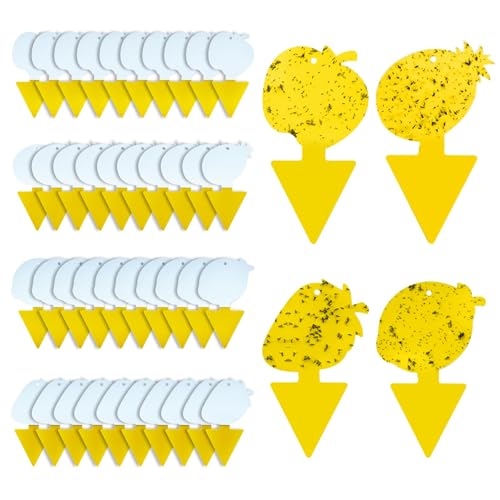
Powerful Insect Control: Captures fruit flies, gnats, whiteflies, aphids, midges, and other small flying pests using bright yellow color and extra-sticky glue
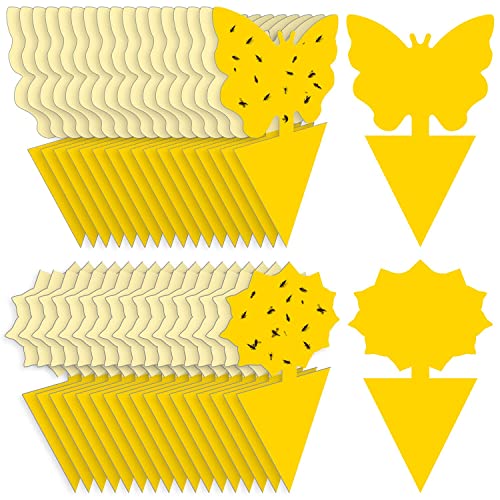
Yellow Sticky Traps -- Bright yellow color attract flying insects, and high quality glue keeps them from escaping. Specially designed for flying plant pests. Great for outdoor or indoor plant, especially potted plants.

20pcs of yellow sticky traps specially designed to catch flying plant insects effectively. Ideal for outdoor plants and houseplants.
Monitoring and Prevention Techniques
Monitoring and prevention serve as the foundation of IPM. Regular checks of your trees help you spot insects early and assess their impact. Here are some effective techniques:
- Inspect Regularly: Check trees weekly for signs of insect activity, such as visible pests or damage.
- Use Traps: Set sticky traps to capture and monitor pest populations. This allows you to track their presence over time.
- Implement Cultural Controls: Practice good cultural methods, such as proper watering, pruning, and fertilizing, to promote tree health. Healthy trees are less susceptible to pests.
- Install Barriers: Use physical barriers like insect netting to prevent pests from reaching your trees. This simple method protects vulnerable fruit during critical growth periods.
Balancing Chemical and Natural Methods
Balancing chemical and natural methods optimizes pest control effectiveness. Here’s how you can achieve this balance:
- Evaluate Infestation Levels: If infestations are mild to moderate, start with natural methods like introducing beneficial insects or using organic sprays. If pests multiply, consider targeted chemical treatments.
- Choose Selective Insecticides: When chemical control is necessary, select insecticides that specifically target problematic pests while minimizing harm to beneficial insects.
- Apply Responsibly: Follow application guidelines for insecticides. Apply them during times when beneficial insects are less active and avoid applying on windy days to reduce drift.
- Rotate Treatments: Change the types of insecticides used to reduce the risk of pest resistance. Follow a rotation schedule, ensuring that different modes of action are utilized throughout the season.
Using these integrated pest management strategies enables you to maintain healthier fruit trees while effectively managing insect pests.
Conclusion
Taking care of your fruit trees doesn’t have to be a daunting task. By staying observant and recognizing the signs of insect infestations early on you can protect your precious harvest. Whether you choose natural methods or chemical solutions it’s all about finding the right balance for your trees and the environment.
Remember that Integrated Pest Management strategies can help you tackle pest problems effectively. With a little patience and the right approach you’ll enjoy healthier trees and bountiful fruits for years to come. So roll up your sleeves and get ready to nurture your garden into a thriving oasis!
Frequently Asked Questions
What common pests affect fruit trees?
Fruit trees are commonly affected by pests such as aphids, caterpillars, fruit flies, spider mites, and scale insects. Each of these pests can cause various types of damage, affecting both the quality and quantity of the harvest.
How can I recognize signs of pest infestations?
Signs of pest infestations include wilting leaves, discoloration, missing foliage, visible pests on the tree, and webbing. Regularly monitoring your trees for these indicators can help you identify problems early and take action.
What natural methods can protect fruit trees from pests?
Natural methods include introducing beneficial insects like ladybugs and lacewings, creating habitats for them, and using organic sprays such as neem oil and insecticidal soap to deter pests without harming the environment.
Are chemical solutions effective for controlling pests on fruit trees?
Yes, chemical solutions can effectively manage severe infestations. However, they carry risks, such as harming beneficial insects and contributing to pest resistance. It’s important to use them judiciously and follow safety guidelines.
What is Integrated Pest Management (IPM)?
Integrated Pest Management (IPM) is a comprehensive approach that combines multiple strategies for pest control. It includes monitoring, prevention techniques, and balanced use of both chemical and natural methods to maintain healthy fruit trees.
