

Have you ever watched your beloved fruit trees shiver under a sudden frost? It can be heartbreaking to see all your hard work threatened by a freeze. If you’re worried about losing your precious harvest, you’re not alone. Many gardeners face this challenge, but there are effective ways to protect your trees.
Key Takeaways
- Understand Freeze Types: Identify the various freeze levels—light, moderate, severe, and killing—to assess potential damage to your fruit trees and act accordingly.
- Recognize Freeze Symptoms: Look for signs of damage such as brown buds, wilted leaves, bark splits, and delayed blooming to evaluate the health of your trees post-freeze.
- Preparation is Key: Select fruit trees suitable for your local climate and know average last frost dates to help minimize frost risk during blooming seasons.
- Effective Protective Methods: Employ strategies like using mulch for insulation, covering trees with blankets or tarps, and watering before a freeze to enhance your trees’ resilience.
- Post-Freeze Care: Assess freeze damage, prune where necessary, water adequately, and monitor growth to support recovery and ensure future fruitfulness.
Understanding Freezes and Their Impact on Fruit Trees
Understanding how freezes affect fruit trees is essential for effective protection. Freezing temperatures can occur abruptly, damaging delicate buds and blossoms. Recognizing types of freezes and their symptoms helps you take timely action.
Types of Freezes
- Light Freeze: Occurs when temperatures drop to 29-32°F (-2 to 0°C). Some sensitive blossoms may suffer, but established trees often survive well.
- Moderate Freeze: Happens when temperatures fall to 25-28°F (-4 to -2°C). Many flowers and developing fruit will likely sustain damage.
- Severe Freeze: Takes place below 25°F (-4°C). This temperature can kill blossoms, compromise fruit set, and harm young shoots.
- Killing Freeze: Occurs below 20°F (-7°C). This situation disrupts cell structure and causes major damage to established trees.
- Brown Buds: Look for color changes. Healthy buds are usually green. Brown or black buds indicate freeze damage.
- Wilted Leaves: Notice any leaves that appear limp or droopy. This symptom suggests that the tree suffered from frost.
- Bark Splits: Examine the bark for cracks. Severe temperature fluctuations can cause bark to split.
- Delayed Blooming: Observe the blooming period. If trees bloom later than usual, this may indicate damage from previous freezes.
Recognizing these signs helps you address issues promptly, safeguarding your fruit trees from prolonged harm after a freeze.
Preparing for a Freeze
Preparing your fruit trees for a freeze enhances their chances of survival and healthy growth. Understanding the right steps can make a significant difference in protecting your trees from cold weather.
Recommended Products

Multi-Variety Seeds: Contains lemon, apple, blueberry, orange, and cherry seeds, totaling over 150 seeds.

Product Quantity: 180+ premium bonsai fruit seeds across 5 varieties; Individual packs contain 40+ apple, 40+ lemon, 40+ orange, 20+ blueberry, and 40+ cherry seeds; Perfect for starting a diverse miniature orchard
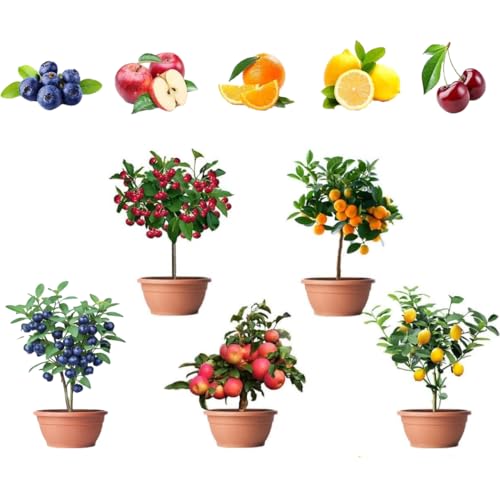
Variety Pack of 5 Fruits: Includes 40 Lemon seeds, 40 Orange seeds, 40 Apple seeds, 20 Cherry seeds, and 20 Blueberry seeds for a colorful and diverse home garden
Selecting the Right Fruit Trees
Select fruit trees that are well-suited for your climate. Research hardiness zones and choose varieties that thrive in your area. For example, apple trees often do well in colder regions, while citrus trees prefer warmer climates. Opt for disease-resistant trees, as they withstand stress more effectively. Consider planting trees that bloom later in the season, reducing the risk of frost damage to buds.
Understanding Local Climate
Understand your local climate to anticipate freezes. Monitor weather forecasts closely, especially during the spring. Identify average last frost dates in your region, then plan your planting accordingly. Soil temperature affects root growth, so keep track of that as well. Utilize local resources, such as extension services or gardening centers, to gain insights on typical freeze patterns. Engaging with local gardening communities improves your knowledge about the specific conditions that affect your fruit trees.
Protective Methods for Fruit Trees
Effectively protecting your fruit trees from a freeze involves several strategies. These methods help minimize damage and ensure your trees remain healthy.
Recommended Products

The Large plant cover is perfect for Plant size 55''-70"high and 84''-94" round, Heavy-weight FRCs (1.77oz./sq. yard): usually used to extend the growing season in spring and fall, allow 40%-60% light transmittance, and recommend 3°-8°F of freeze protection

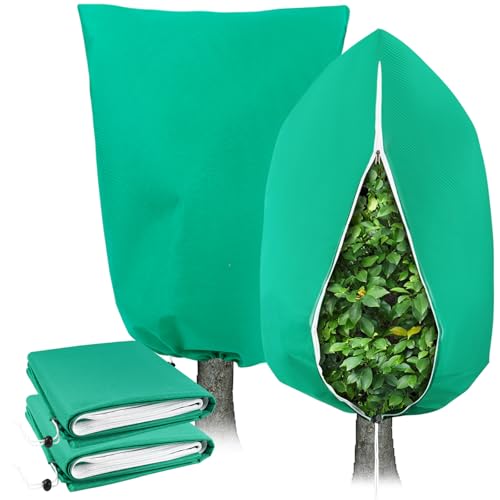
PLANT COVERS FREEZE PROTECTION FOR WINTER:You will receive 2 pack 47 * 72 inch frost blankets cloths for outdoor plants, designed specifically for outdoor plant protection, which can resist frost, snow, rain, wind, hail, animals, insects, birds, etc. Frost cloths for outdoor plants providing sufficient coverage space and is very suitable for shrubs, small trees, flowers, vegetables, etc
Using Mulch
Using mulch creates insulation around tree roots. Apply a 2-4 inch layer of organic mulch, like straw or shredded bark, around the base of your trees. This layer retains soil warmth and protects roots against sudden temperature drops. Remember to keep mulch a few inches away from the trunk to prevent rot.
Covering Trees with Blankets or Tarps
Covering trees with blankets or tarps provides extra warmth during cold nights. When temperatures are forecasted to drop, gently drape the fabric over your trees. Use stakes to keep the coverings secure against wind. Ensure the material touches the ground to trap heat effectively. Remove covers during daylight to prevent overheating.
Watering Before a Freeze
Watering your trees before a freeze retains soil heat. Deeply soak the soil the day before the expected freeze. Moist soil holds warmth better than dry soil, providing a buffer against cold air. Focus on the root zone since that’s where the tree needs warmth the most. Check moisture levels after the freeze and water if necessary to maintain hydration.
Ongoing Care After a Freeze
After a freeze, assessing your fruit trees’ health is crucial. You’ll want to understand how severe the damage is and what steps to take next.
Recommended Products

Control diseases and insects in your garden with Captain Jack’s Fruit Tree Spray Concentrate! Use on a variety of listed fruits, nuts and citrus plants.

TRIPLE PROTECTION FORMULA: 3-in-1 solution kills listed insects, controls listed diseases, and controls listed mites with one easy application

Control diseases and insects in your garden with Captain Jack’s Fruit Tree Spray Concentrate! Use on a variety of listed fruits, nuts and citrus plants.
Assessing Damage
Check for signs of freeze damage as soon as possible. Look for:
- Brown buds: Inspect flower buds for discoloration, which indicates harm.
- Wilted leaves: Observe leaves for drooping or curling; this often signals stress.
- Bark splits: Feel for cracks in the bark, which can expose the tree to diseases.
- Delayed blooming: Monitor flowering; a significant delay may indicate issues.
Evaluate how much of the tree is affected. For example, if only a few branches are damaged, selective pruning may be beneficial. If the main trunk suffers, more intensive care is necessary.
Pruning and Recovery Techniques
Pruning damaged areas encourages healthy growth. Follow these steps:
- Identify: Focus on dead or severely damaged branches.
- Cut: Use clean, sharp pruners. Make cuts at a 45-degree angle just above healthy buds.
- Dispose: Collect and dispose of pruned material to prevent disease spread.
After pruning, support recovery by:
- Watering: Ensure the tree receives adequate moisture, especially in dry weather.
- Fertilizing: Apply a balanced fertilizer to promote recovery but avoid over-fertilizing, which can stress the tree.
- Monitoring: Keep an eye on new growth. Healthy shoots indicate recovery is underway.
Consider applying an anti-desiccant spray to help retain moisture in leaves during recovery. If your area is prone to further frost, think about using protective covers during additional cold snaps.
By taking these steps, you can help your fruit trees rebound from freeze damage and ensure a fruitful season ahead.
Conclusion
Protecting your fruit trees from a freeze is all about being proactive and attentive. By understanding your local climate and implementing the right strategies you can significantly reduce the risk of frost damage.
Don’t forget to monitor weather forecasts and keep an eye on those critical last frost dates. Using methods like mulching and covering your trees can make a world of difference when temperatures drop.
After a freeze it’s essential to assess any potential damage and provide your trees with the care they need to bounce back. With a little effort and knowledge you can nurture your fruit trees to thrive through the seasons ahead. Happy gardening!
Frequently Asked Questions
How does frost affect fruit trees?
Frost can severely impact fruit trees by damaging buds and blossoms. Different freeze levels—light, moderate, severe, and killing—can cause varying degrees of harm. Symptoms like brown buds, wilted leaves, and delayed blooming can indicate freeze damage. Understanding these effects is crucial for timely intervention.
What are the signs of freeze damage in fruit trees?
Common signs of freeze damage include brown or blackened buds, wilted or dropping leaves, bark splits, and delayed blooming. Recognizing these symptoms early enables gardeners to take appropriate measures to protect and heal their trees.
How can I prepare my fruit trees for frost?
To prepare your fruit trees for frost, select varieties suited for your local climate, research hardiness zones, and monitor weather forecasts. Mulching, covering trees with blankets, and watering them before a cold snap can provide added protection against freezing temperatures.
What protective methods can I use for fruit trees during a freeze?
Effective protective methods include using mulch to insulate roots, covering trees with tarps or blankets to retain heat, and watering trees before a freeze. Each strategy helps minimize frost damage and supports tree health during cold weather.
What should I do after a frost?
After a frost, assess your fruit trees for signs of damage, such as wilted leaves or bark splits. Depending on the damage severity, consider selective pruning and provide proper watering and fertilizing to aid recovery. Using anti-desiccant sprays can help protect trees from further cold snaps.
