

Are your gardening tools feeling a bit dull lately? Ever struggled to make clean cuts with your lopper? Picture this: you’re in the middle of pruning your beloved plants, but your lopper just isn’t up to the task. Fret not, as we’ve got you covered! In this article, you’ll discover the simple yet essential art of sharpening a lopper with ease.
Understanding the Anatomy of a Lopper
When sharpening a lopper, it’s essential to understand its anatomy to achieve the best results. Below are the key components you should be familiar with:
- Handles: Provide leverage for cutting branches.
- Blades: Come in various types (bypass, anvil, ratchet) for different cutting styles.
- Pivot Bolt: Connects the blades and allows for smooth cutting action.
- Spring: Helps the lopper to open after each cut.
- Stopper: Prevents the handles from opening too wide.
Knowing the purpose of each part will guide you in the sharpening process.
Signs Your Lopper Needs Sharpening
If you find frayed or crushed cuts instead of clean cuts, it might be time to sharpen your lopper. Another sign to look out for is the lopper struggling to cut through branches that would typically be effortless. Additionally, sap buildup and rust on the blades can indicate a need for sharpening.
Keep an eye out for dull blades, as they can cause unnecessary strain on your hands and wrists while cutting. You may also notice more effort required to make cuts, which is a clear indicator that your lopper needs some sharpening TLC.
Remember, regular maintenance of your lopper is key to ensuring it performs at its best. By sharpening the blades when needed, you’ll not only make your cutting tasks easier but also extend the life of your lopper.
Gathering the Necessary Tools
To sharpen your lopper effectively, you’ll need a few essential tools. Here are the items you should have on hand:
- Tools for Disassembly: You’ll need tools like a screwdriver to safely disassemble your lopper for sharpening.
- Protective Gear: Ensure you have gloves and safety glasses to protect yourself during the sharpening process.
- Sharpening Tool: Invest in a quality file or sharpening stone specifically designed for sharpening cutting tools.
- Cleaning Supplies: Have a brush or cloth to clean debris and sap from the blades before sharpening.
Having these tools ready will make the lopper sharpening process more efficient and help you achieve better results.
Recommended Products
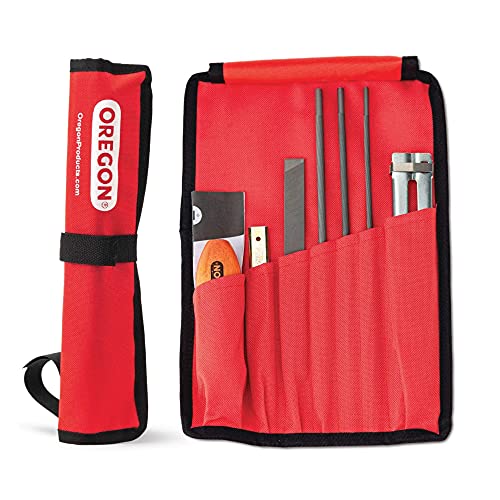
This portable universal chainsaw sharpening kit by Oregon makes it easy to keep your chainsaws, pole saws, and other tools sharp and ready to go
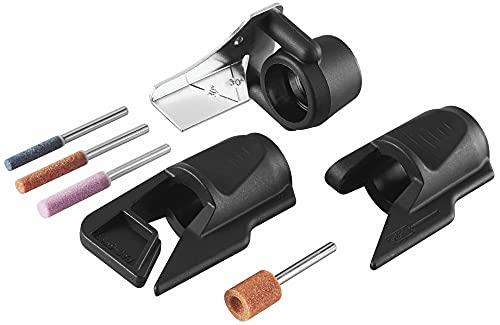
Simplified to support your backyard and garden projects and giving your go-to tools a new lease on life. The A679 Sharpening Kit includes everything you need to keep your favorite gardening tools looking sharp.

ESSENTIAL MAINTENANCE: Discover the ultimate solution for chainsaw maintenance with our Measupro Chainsaw Sharpening Kit. This 7-piece set includes a range of essential tools, from three round files (5/32", 3/16", 7/32") to a 6-inch flat file. You'll also find a handle, filing guide, and a convenient travel pouch to keep everything organized. With this kit, you'll have all you need to maintain and sharpen your chainsaw effectively
Step-by-Step Guide to Sharpening Your Lopper
Sharpening your lopper is a simple process that can significantly improve its cutting efficiency. Here’s a step-by-step guide to help you get started:
- Step 1: Tools Preparation
Gather the necessary tools for sharpening your lopper: a screwdriver, gloves, safety glasses, a file or sharpening stone, and a brush or cloth for cleaning. - Step 2: Safety First
Put on your gloves and safety glasses to protect your hands and eyes from debris while sharpening. - Step 3: Disassemble the Lopper
Use your screwdriver to carefully disassemble the lopper, separating the blades for easier access during sharpening. - Step 4: Inspect the Blades
Check the blades for any nicks, gouges, or signs of wear. If you notice any serious damage, consider replacing the blades instead of sharpening them. - Step 5: Sharpening Process
Using a file or sharpening stone, carefully sharpen the cutting edges of the blades. Remember to maintain the original angle of the blade while sharpening. - Step 6: Cleaning and Reassembly
Once sharpened, clean the blades using a brush or cloth to remove any debris or sap. Reassemble the lopper carefully, ensuring all parts are securely back in place. - Step 7: Test Your Lopper
After sharpening and reassembly, test your lopper on a few branches to see the improved cutting performance. - Step 8: Maintenance
Regular maintenance is key to keeping your lopper sharp. Try to sharpen your lopper at least once a season or more frequently for heavy use.
Remember, a well-sharpened lopper not only makes your gardening tasks easier but also ensures clean and precise cuts for healthier plants.
Maintenance Tips for a Sharp Lopper
Taking good care of your lopper is essential to maintain its sharpness and efficiency. Here are some practical maintenance tips to help you keep your lopper in top condition:
- Cleaning: After each use, wipe down the blades with a clean, dry cloth to remove any sap or debris. This prevents buildup that can dull the blades over time.
- Oiling: Apply a thin layer of blade oil to prevent rust and corrosion. Simply wipe a small amount onto the blades with a cloth after cleaning.
- Storage: Store your lopper in a dry place to avoid exposure to moisture, which can cause rust. Hanging them up or keeping them in a shed are good options.
- Inspecting: Regularly check the blades for any signs of damage, such as chips or nicks. If you notice any issues, address them promptly to prevent further damage.
- Adjusting: Ensure that the blades are properly aligned and the cutting mechanism is functioning smoothly. Tighten any loose screws or bolts as needed.
- Sharpening: Keep the blades sharp by following the sharpening process outlined earlier in the article. Sharp blades make cutting easier and cleaner.
- Replace when necessary: If the blades are too damaged or worn, it’s best to replace them altogether for optimal performance.
By following these maintenance tips, you’ll not only extend the life of your lopper but also ensure that it’s always ready for efficient cutting whenever you need it.
Recommended Products

Tungsten Carbide Blade for Fast, Effective Sharpening – Features a durable tungsten carbide sharpening edge that restores a sharp, clean blade in just a few strokes, helping pruners, loppers, shears, and knives cut smoothly with less resistance.

Quick and easy

ONE-STOP GARDEN TOOL SHARPENER: The Garden Tool Sharpener restores and sharpens most blades to their sharpest condition in just a few strokes, ensuring peak performance with minimal effort - an ideal solution for maintaining razor-sharp edges on a vast array of tools including lawn mower blades, axes, hatchets, machetes, pruners, hedge shears, and scissors.
Conclusion
Now that you’ve learned how to maintain and sharpen your lopper effectively, you can ensure its longevity and optimal performance. By following the maintenance tips provided in this article, you’ll be able to keep your lopper in top condition for all your cutting needs. Remember to clean, oil, inspect, align, and sharpen your lopper regularly to keep it sharp and efficient. With these simple steps, you’ll be able to tackle your gardening tasks with ease and precision. Happy cutting!
Frequently Asked Questions
1. How often should I clean the blades of my lopper?
Clean the blades of your lopper after each use to prevent debris buildup and maintain cutting efficiency.
2. Why is it important to apply blade oil to my lopper?
Applying blade oil regularly helps prevent rust and keeps the blades sharp and in good condition.
3. Where should I store my lopper when not in use?
Store your lopper in a dry place to avoid moisture exposure, which can lead to rust and damage.
4. How can I tell if my lopper blades are damaged?
Inspect your lopper blades regularly for any signs of damage, such as chips, nicks, or bends, that may affect cutting performance.
5. How do I sharpen the blades of my lopper?
Sharpen the blades of your lopper regularly using a sharpening tool to maintain cutting precision and efficiency.
6. When should I replace the blades of my lopper?
Replace the blades of your lopper when they are excessively worn out, damaged beyond repair, or no longer cutting effectively.
