

Have you ever planted an apple tree and wondered when you’ll finally get to enjoy those delicious fruits? You’re not alone. Many new gardeners face the same question, eager to see their hard work pay off.
Key Takeaways
- Growth Timeline: Apple trees generally start fruiting between 3-6 years after planting, variably depending on tree variety and care methods.
- Variety Matters: Early varieties, like ‘Honeycrisp’, may produce fruit sooner (around 3-4 years), while late varieties like ‘Cortland’ can take 5-6 years.
- Climate and Soil: Tree growth is influenced by climate conditions and soil quality; ensure your apple tree is suited to its environment and planted in nutrient-rich, well-draining soil.
- Consistent Watering: Regular watering is essential, especially during dry spells, to support healthy growth and fruit production.
- Pruning Benefits: Proper pruning techniques promote sunlight exposure and airflow, enhancing fruit quality and yield.
- Pest Management: Regular inspections for pests and diseases, along with appropriate control measures, are crucial for maintaining tree health and ensuring fruitful harvests.
Understanding Apple Tree Growth
Apple trees experience a distinct life cycle that influences how long it takes for them to bear fruit. The journey from planting to harvest involves several stages, each affecting growth rate.
Life Cycle of an Apple Tree
- Seed Germination: Apple tree growth starts with seed germination. Within 1-2 weeks, seeds sprout when temperatures are suitable and moisture is present.
- Seedling Development: After germination, seedlings grow over the next 1-3 years, establishing roots and leaves. During this phase, focus on providing adequate sunlight and water.
- Juvenile Phase: The juvenile phase lasts about 2-5 years. Trees grow taller and stronger, but they won’t bear fruit yet. This period helps them build health and resilience.
- Maturity and Fruiting: Most apple trees begin fruiting between 3-6 years after planting. Some varieties may take longer, while dwarf varieties may produce fruit sooner.
- Tree Variety: Different apple tree varieties mature at varying rates. Dwarf varieties typically fruit faster than standard varieties. Research your chosen variety for accurate timelines.
- Climate: Climate affects growth significantly. Trees in warmer regions may grow faster than those in cold climates. Ensure your apple tree suits your local environment.
- Soil Quality: Healthy soil with proper nutrients is essential for growth. Conduct soil tests and amend it as needed to support tree health.
- Watering Practices: Consistent watering, especially during dry periods, plays a role in growth rate. Avoid waterlogging but keep the soil moist.
- Pruning: Pruning encourages healthy growth and fruiting. Regularly trim excess branches to promote air circulation and sunlight penetration.
By understanding the life cycle and growth factors, you can maximize the chance of your apple tree bearing fruit in a timely manner.
Timeframe for Apple Trees to Bear Fruit
Apple trees typically start producing fruit between 3-6 years after planting. This timeframe can shift based on several factors unique to your growing conditions and tree selection.
Recommended Products

Harvest Season: Ripens through September and October, producing large, dark red fruit with sweet and juicy taste suitable for dessert cooking and fresh eating

EXCEPTIONAL FRUIT QUALITY – Produces large, showy apples with a signature ultra-crisp texture and a perfectly balanced sweet-tart flavor, ideal for fresh eating, baking, sauces, and cider.
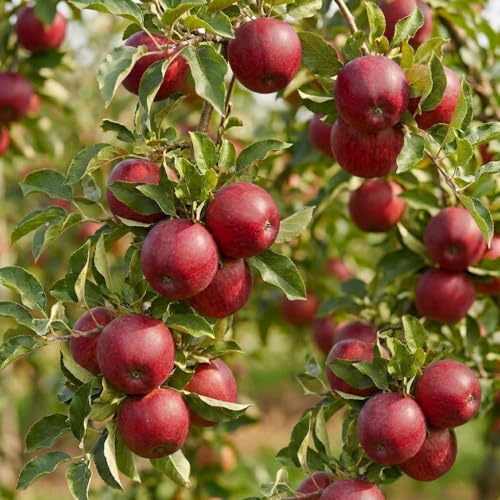
🍎 3 Live Apple Tree Saplings: Receive three healthy young apple tree saplings ready to plant and grow in your garden, backyard orchard, or container. Plants ship dormant (not leaves or fruit) in spring.
Expected Years to Fruition
Expect your apple tree to bear fruit in 3-6 years. Young, semi-dwarf varieties like ‘M7’ may fruit sooner, around 3-4 years. Standard apple trees often take closer to 5-6 years. During the wait, ensure consistent care through proper watering and fertilization for optimal growth.
Variance Among Different Apple Varieties
Different apple tree varieties exhibit different fruiting timelines. Here are a few examples:
- Early Varieties: Some, like ‘Honeycrisp’ or ‘Gala’, usually fruit in 3-4 years.
- Mid-Season Varieties: Types such as ‘Fuji’ and ‘Granny Smith’ often fruit by the 4-5 year mark.
- Late Varieties: Trees like ‘Cortland’ or ‘Rome’ may not bear fruit until about 5-6 years.
Research each variety carefully to match your expectations with the right tree.
Care and Maintenance for Optimal Fruiting
Proper care and maintenance play a vital role in ensuring your apple tree reaches its full fruiting potential. Focus on soil conditions, watering, and pruning techniques for the best results.
Recommended Products

Quick, at home results for Soil pH, Nitrogen, Phosphorous and Potash Innovative and inexpensive soil test kit features an easy-to-use capsule system and patented color comparators

KNOW BEFORE YOU GROW | Grow the healthiest, sustainable lawn and garden with the most accurate and easy to use professional soil test kit on the market

Kindly NOTE: This soil tester can not be applied to test pH value of any other liquid. If the soil is too dry the indicator will not move, and water it before testing.
Soil Conditions and Nutrients
Ensure your apple tree thrives with the right soil conditions. Aim for well-draining loamy soil, rich in organic matter, and maintain a pH between 6.0 and 7.0.
- Test Soil: Use an soil testing kit to check nutrient levels and pH balance.
- Add Compost: Incorporate compost annually to boost nutrient content.
- Fertilize Wisely: Apply a balanced fertilizer in early spring. Look for formulas high in nitrogen, phosphorus, and potassium for optimal growth.
- Mulch Regularly: Spread mulch around the base to retain moisture and suppress weeds.
Watering and Pruning Techniques
Establish a consistent watering schedule and effective pruning practices to support fruit production.
- Water Regularly: Water deeply once a week during dry spells. Adjust frequency during rainy periods to prevent root rot.
- Check Moisture: Stick your finger into the soil up to two inches; if it’s dry, it’s time to water.
- Prune Appropriately: Prune in late winter or early spring before the buds swell. Remove dead or crossing branches to improve air circulation and sunlight exposure.
- Thin Fruit: Thin young fruit in early summer to promote larger, healthier apples. Aim for 6-8 inches between apples on branches.
Follow these care and maintenance tips to enhance your apple tree’s potential for fruitful yields.
Common Issues Affecting Fruiting
Several factors can affect the fruiting of your apple trees. Understanding these issues can help you take proactive steps for a healthier harvest.
Recommended Products

Protect your oasis with 3 garden products in 1 from Captain Jack’s; Bonide Captain Jack’s Ready-to-Use Neem Oil spray for plants is a multi-purpose fungicide, insecticide and miticide for your lawn & garden

#1 BEST PURE NEEM OIL FOR PLANTS: Zuprime Neem Oil concentrate is your go-to neem oil spray for indoor ornamental plants as well as neem oil spray for outdoor ornamental plants. It's made with 100% cold pressed high quality organic neem oil your plants need for a shiny glow.

FUNGAL DISEASE CONTROL: Prevents and controls black spot on roses, powdery mildew, rust, downy mildew, and other listed fungal diseases when applied on a 7–14 day schedule
Pests and Diseases
Pests and diseases pose significant threats to apple trees. Common pests include aphids, codling moths, and spider mites. These pests can damage blossoms, stunt growth, and reduce fruit quality. For example, codling moth larvae burrow into developing apples, leading to blemished fruit.
Diseases like apple scab and fire blight also impact fruiting. Apple scab causes dark spots on foliage, weakening the tree and reducing fruit set. Fire blight, caused by bacteria, can kill branches and flowers, dramatically decreasing yield.
To combat these issues, inspect your tree regularly. Use organic insecticides like neem oil for pest control. Implement proper pruning techniques to improve airflow, reducing disease risk.
Environmental Factors
Environmental factors significantly influence the fruiting of apple trees. Temperature extremes can delay blooming or cause flowers to drop prematurely. Spring frost can be particularly damaging, freezing delicate buds.
Soil quality plays a crucial role, as compacted or poorly drained soil can lead to root stress. Apple trees prefer slightly acidic to neutral pH soils, ideally ranging from 6.0 to 7.0. To enhance soil quality, incorporate organic matter and ensure proper drainage.
Sunlight is vital for fruit development. Apple trees require at least 6-8 hours of direct sunlight daily. If your tree is shaded, consider pruning nearby plants to maximize light exposure.
By addressing pest and disease issues and managing environmental factors, you enhance your chances for a bountiful apple harvest.
Conclusion
Growing your own apple tree is an exciting journey filled with anticipation. Understanding the timeline for fruiting can help you manage your expectations and care for your tree effectively.
By providing the right conditions and regular maintenance you can encourage your apple tree to thrive. Remember that patience is key as you nurture your tree through its early years.
With the right care you’ll soon be enjoying the fruits of your labor. Happy gardening and here’s to a bountiful harvest ahead!
Frequently Asked Questions
When do apple trees start to bear fruit?
Apple trees typically begin to bear fruit between 3 to 6 years after planting, depending on the tree variety and growing conditions.
What factors influence apple tree fruiting timelines?
Fruiting timelines for apple trees can be influenced by the tree variety, climate, soil quality, watering practices, and pruning techniques.
Which apple varieties fruit the earliest?
Early varieties like ‘Honeycrisp’ and ‘Gala’ usually produce fruit in about 3 to 4 years after planting.
How can I ensure a successful apple harvest?
To enhance your apple harvest, provide well-draining loamy soil, maintain a consistent watering schedule, and prune properly. Regular care is essential.
What are common pests affecting apple trees?
Common pests include aphids and codling moths, which can harm fruit quality. Regular inspections help keep these pests in check.
What diseases can affect apple trees?
Diseases such as apple scab and fire blight can reduce yield and fruit quality. Proper pruning and organic treatments can mitigate these issues.
How much sunlight do apple trees need?
Apple trees require at least 6-8 hours of direct sunlight daily to thrive and produce fruit successfully.
How can I improve my apple tree’s soil quality?
Improve soil quality by adding organic matter, testing pH levels, and ensuring good drainage to promote healthy apple tree growth.
