

Have you ever dreamt of plucking fresh mangoes from your own backyard? If so, you might be wondering how long it takes for a mango tree to start bearing fruit. Growing your own mango tree can be a rewarding experience, but patience is key.
Key Takeaways
- Timeframe for Fruit Production: Grafted mango trees typically bear fruit in 3 to 6 years, while seed-grown trees take 5 to 8 years.
- Optimal Growing Conditions: Full sun (at least 6-8 hours daily), well-drained sandy loam soil, and proper watering practices are crucial for healthy mango tree growth.
- Tree Care Importance: Regular fertilization, pruning, and pest management significantly enhance fruit yield and overall tree health.
- Factors Influencing Growth: Type of mango tree, soil quality, temperature, and nutrient availability impact the timeline for fruit production.
- Signs of Maturity: A mango tree will show readiness for fruiting when it reaches about 3 to 4 feet in height and develops a sturdy trunk and fragrant flowers.
Understanding Mango Trees
Mango trees, known for their lush foliage and sweet, juicy fruit, belong to the tropical climate family. You can find them in warm regions worldwide, making them a favorite for backyard growers.
Growth Duration for Fruit Production
Mango trees typically take 3 to 6 years to bear fruit when grown from grafted seedlings. If grown from seed, it may take 5 to 8 years. Varieties, climate, and care impact this timeline.
Ideal Growing Conditions
Providing the right environment helps accelerate mango tree growth. Consider these factors:
- Sunlight: Mango trees thrive in full sunlight, requiring at least 6 hours daily.
- Soil: Well-drained, sandy loam is ideal for mango trees. You can improve drainage by mixing organic matter.
- Watering: Ensure young trees receive regular water. Established trees, however, prefer drier conditions between watering.
Care Tips for Healthy Trees
Healthy mango trees produce better fruit yields. Follow these care tips:
- Fertilization: Use a balanced fertilizer in the growing season. Look for NPK ratios like 10-10-10 or 16-16-16.
- Pruning: Regular pruning encourages a strong structure. Remove dead or crossed branches to improve air circulation.
- Pest Management: Watch for common pests, such as aphids and scale. Natural remedies like neem oil can help keep them at bay.
Signs of Maturity
You’ll know your tree is nearing fruit-bearing age when it reaches about 3 to 4 feet in height and develops a thick, sturdy trunk. Look for the appearance of fragrant flowers, which typically signal the upcoming fruit.
By understanding mango trees, their growth duration, and how to care for them, you’ll set yourself up for a rewarding harvest in years to come.
Factors Affecting Fruit Bearing
Several factors influence when a mango tree begins to bear fruit. Understanding these elements can enhance the chances of a fruitful harvest.
Recommended Products
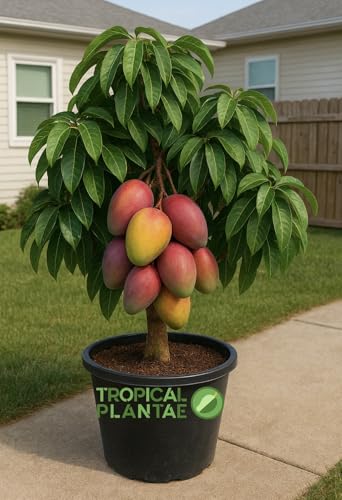
Imagine stepping into your backyard a few months from now and seeing a beautiful grafted Haden mango tree, growing stronger every day — a tree that will soon reward you with one of the most classic, flavorful mangoes ever grown.

Imagine stepping into your backyard a few months from now and seeing a beautiful tropical tree growing stronger every day—your own Pineapple Mango tree, grafted to give you consistent, premium-quality fruit. You’re not just buying a plant. You’re creating a space that brings you joy, pride, and something to look forward to every single morning.
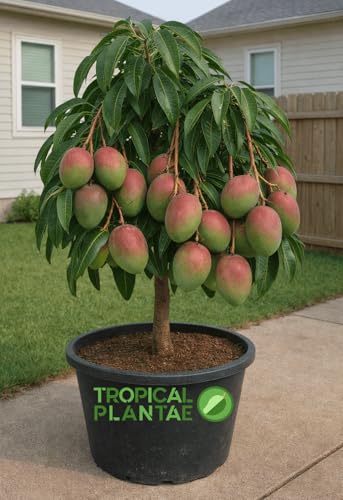
Imagine stepping outside your home and seeing a healthy mango tree growing stronger every season—one that doesn’t just decorate your yard, but adds real value to your daily life.
Type of Mango Tree
The type of mango tree plays a significant role in fruit production. Grafted mango trees typically bear fruit within 3 to 6 years, while trees grown from seeds take longer, usually around 5 to 8 years. Popular varieties such as Alphonso or Haden may produce fruit earlier due to their established growth habits. Choosing a variety suited to your climate and soil will help optimize growth.
Growing Conditions
Growing conditions are crucial for mango tree development. Key factors include:
- Sunlight: Mango trees thrive in full sun, requiring at least 8 hours of direct sunlight daily.
- Soil Quality: A well-drained sandy loam soil fosters healthy roots. Avoid heavy clay or waterlogged conditions.
- Watering Practices: Providing adequate water, especially during dry spells, supports growth. However, ensure not to overwater, as this can lead to root rot.
- Temperature: Mango trees prefer temperatures between 70°F and 100°F. Protect them from cold drafts or frost.
- Nutrient Availability: Regular fertilization with a balanced fertilizer (like NPK 10-10-10) promotes lush foliage and the eventual formation of flowers.
By addressing these factors, you can significantly improve the chances of your mango tree bearing fruit sooner.
Timeframe for Bearing Fruit
Growing a mango tree involves patience before enjoying the sweet rewards. Understanding the timeline helps manage expectations while fostering healthy growth.
Recommended Products

The Ivory Mango Tree, a grafted variety of Mangifera indica, is a highly sought-after tropical fruit tree known for its unique elongated fruit, creamy texture, and exceptional flavor. This premium mango variety is native to Southeast Asia and has become a favorite among mango enthusiasts worldwide. Its grafted nature ensures reliable fruit quality, early fruiting, and adaptability, making it an excellent choice for home gardens and orchards.

Growing a mango tree is best suited to tropical and subtropical hardiness zones where temperatures do not fall below 40 degrees Fahrenheit. Although it can be tricky to grow, a mango tree can make an interesting specimen when grown in a large pot outdoors or indoors.
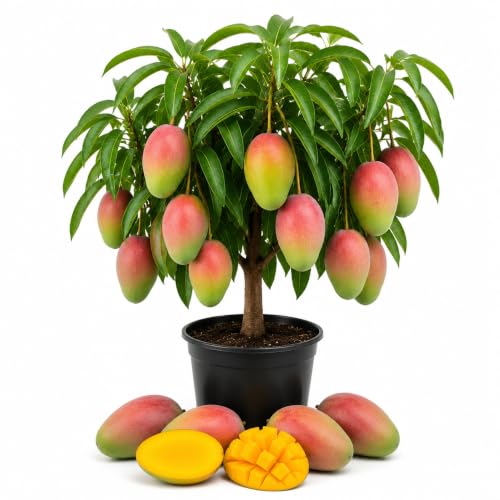
Not available in CA
Average Years to Fruition
Mango trees start producing fruit after varying periods. If grown from grafted seedlings, expect fruit within 3 to 6 years. Seed-grown trees take longer, typically 5 to 8 years. These timelines depend on various factors, including tree health and environmental conditions.
| Tree Type | Years to Bear Fruit |
|---|---|
| Grafted Seedlings | 3 to 6 years |
| Seed-Grown Trees | 5 to 8 years |
Variations by Tree Type
Different mango tree types affect fruit-bearing timelines. Grafted varieties tend to mature faster, allowing quicker harvests. In contrast, seed-grown varieties often need more time to establish and develop. Recognizing the specific type assists in setting realistic expectations for fruit production.
Tips for Encouraging Fruit Production
Encouraging fruit production in your mango tree requires careful attention to various factors. Implementing proper care and maintenance along with effective fertilization techniques can significantly boost your tree’s ability to bear fruit.
Recommended Products


PREMIUM QUALITY INGREDIENTS – Cz Garden Muriate of Potash is a water soluble, high purity, premium phosphate fertilizer for all indoor/outdoor flowers, lawn, and garden vegetables.

CITRUS PLANT FOOD: This avacado, mango and citrus fruit tree fertilizer feeds plants for up to 3 months and nourishes above and below the soil
Proper Care and Maintenance
Maintain your mango tree’s health to promote fruiting. Water your tree regularly, ensuring the soil remains moist but not waterlogged. Monitor the tree for any signs of pests or diseases, as these can hinder fruit production. Prune your mango tree once or twice a year to improve air circulation and light penetration, fostering healthier growth. Protect the roots by mulching around the base, which also helps retain moisture.
Fertilization Techniques
Use balanced fertilizers to nourish your mango tree. Apply a slow-release, organic fertilizer high in potassium during the flowering season to enhance fruit set. For example, a fertilizer ratio of 8-3-9 can be effective. Fertilize every two months during the growing season, adjusting based on the tree’s size and age. If using compost, mix it with the soil around the root zone to improve soil structure and nutrient availability. Regularly assess your tree’s growth; if leaves exhibit yellowing or reduced size, consider increasing nitrogen-rich fertilizers to support leaf development.
Conclusion
Growing a mango tree is an exciting journey filled with anticipation. While it may take a few years before you can enjoy those delicious fruits it’s all about nurturing your tree and watching it thrive. With the right care patience and a little love you’ll soon find yourself rewarded with a bountiful harvest. Remember to keep an eye on your tree’s health and provide the ideal conditions it needs to flourish. Before you know it you’ll be savoring the sweet taste of homegrown mangoes right from your backyard. Happy gardening!
Frequently Asked Questions
How long does it take for a mango tree to bear fruit?
Mango trees can take 3 to 6 years to bear fruit when grown from grafted seedlings, while seed-grown trees usually take about 5 to 8 years. The exact timeline can vary based on tree health and growing conditions.
What are the ideal growing conditions for a mango tree?
Mango trees thrive in tropical climates and need full sunlight, well-drained sandy loam soil, and proper watering. Ensuring these conditions helps promote healthy growth and fruit production.
How often should I water my mango tree?
Water your mango tree regularly, allowing the soil to dry slightly between waterings. Be careful not to overwater, as mango trees prefer well-drained soil to avoid root rot.
What type of fertilizer is best for mango trees?
Using balanced fertilizers, particularly during the flowering season, is ideal. Slow-release organic fertilizers and compost can support healthy growth and improve fruit set.
How can I manage pests on my mango tree?
Regularly inspect your mango tree for signs of pests and diseases. Implementing integrated pest management techniques, such as promoting beneficial insects and using organic treatments, can help keep your tree healthy.
How do I know when my mango tree is mature?
Your mango tree will be considered mature when it reaches a height of 3 to 4 feet and produces fragrant flowers. These signs indicate that fruit-bearing is likely on the way.
Can I grow mango trees in non-tropical climates?
While mango trees prefer tropical climates, they can be grown in non-tropical areas if provided with sufficient warmth and sun. Utilize greenhouses or indoor setups to mimic tropical conditions where necessary.
