

Have you ever dreamed of biting into a juicy, ripe mango straight from your own backyard? If you’re considering planting a mango tree, you might be wondering how long it’ll take before you can enjoy that sweet reward.
Growing a mango tree can be an exciting project, but patience is key. Depending on the variety and the care you provide, it can take anywhere from three to six years before your tree starts producing fruit. This article will guide you through the timeline and factors that influence fruit production, helping you set realistic expectations and enjoy the journey to your very own mango harvest.
Key Takeaways
- Timeframe for Fruit Production: Mango trees typically take 3 to 6 years to start producing fruit, depending on the variety and care provided.
- Growth Stages: Understanding the growth stages—seedling, juvenile, and mature—helps in managing expectations for when the tree will yield fruit.
- Variety Impact: Different mango varieties have varying timelines for fruiting; for example, ‘Tommy Atkins’ may produce fruit in three years, while ‘Kent’ typically takes four to five years.
- Optimal Growing Conditions: Mango trees thrive in warm climates (70°F to 100°F), requiring full sunlight (6-8 hours daily) and well-draining, nutrient-rich soil for healthy growth and fruit production.
- Care Techniques: Regular watering, balanced fertilization, and proper pruning enhance the tree’s growth and can lead to earlier fruiting.
- Influence of Climate and Soil: Factors like humidity, soil quality, and overall environment significantly impact fruit production, making it essential to create optimal conditions for your mango tree.
Understanding Mango Trees
Mango trees are tropical plants that thrive in warm climates. These trees can grow quite large, reaching heights between 30 to 100 feet, depending on the variety. Understanding their growth cycle helps you manage expectations for fruit production.
Growth Stages
Mango trees go through several growth stages:
- Seedling Stage: Grown from seed, this stage lasts around 3 to 6 months. The tree develops roots and begins to establish itself.
- Juvenile Stage: Lasting approximately 3 to 4 years, the juvenile stage features rapid growth. During this time, the tree may reach around 10 to 15 feet tall.
- Mature Stage: From about 3 to 6 years old, mango trees start producing fruit. Varieties may differ, impacting the exact timeline. Regular care helps encourage earlier fruiting.
Factors Influencing Fruit Production
Several factors can affect when your mango tree produces fruit:
- Variety: Some varieties, like ‘Haden’ or ‘Tommy Atkins’, may bear fruit sooner than others, such as ‘Kent’ or ‘Alphonso’.
- Climate: Warm temperatures and plenty of sunlight support healthy growth. Aim for 6 to 8 hours of direct sunlight daily.
- Care: Regular watering, fertilizing, and pruning help promote fruit production. Proper care can shorten the time to first harvest.
Caring for Your Mango Tree
To maximize your mango tree’s potential:
- Water Regularly: Ensure the soil remains moist but not waterlogged. Deep watering every week promotes strong roots.
- Use Fertilizer: Apply a balanced fertilizer every few months during the growing season. This supports healthy growth and enhances fruiting.
- Prune Wisely: Remove dead or overcrowded branches to improve airflow and light penetration. This strengthens the tree and fosters fruit production.
By understanding the growth cycle, factors influencing fruit production, and proper care techniques, you can enjoy your mango tree’s delicious fruits sooner.
Factors Affecting Fruit Production
Several factors influence when a mango tree produces fruit. Understanding these elements helps you maximize your chances of a fruitful harvest.
Recommended Products

Comes in 5 lb. bag of granules

Let our professionally formulated plant food help your fruit tree grow healthy, strong AND abundantly producing

Balanced Organic Nutrition – Supplies a 6‑3‑3 NPK ratio along with calcium, sulfur, iron, and zinc to foster healthy foliage, flowering, and fruit.
Tree Age
Tree age significantly affects fruit production. Mature mango trees, typically aged three to six years, yield the most fruit. Younger trees may take longer to mature, while older trees can continue to bear fruit for several decades. If you plant a grafted mango tree, expect earlier fruiting, as these varieties tend to produce fruit faster than seed-grown trees.
Climate and Environment
Climate and environment play crucial roles in mango fruit production. Mango trees thrive in warm, tropical climates, requiring temperatures between 70°F and 100°F. Humidity levels also influence fruiting; excessively humid conditions can lead to disease, while insufficient moisture can stress the tree. Ensure your mango tree receives full sunlight for at least six hours daily, as this encourages healthy growth and fruit development.
Soil Quality
Soil quality impacts the health and productivity of mango trees. Well-draining soil rich in organic matter promotes strong root development. Aim for sandy loam with a pH level between 5.5 and 7.5. To boost soil quality, consider adding compost or well-rotted manure. Regular soil testing helps you understand nutrient levels and adjust fertilizer use accordingly, leading to better fruit production.
Understanding these factors allows you to create an optimal growing environment for your mango trees, setting the stage for bountiful harvests.
Growth Stages of a Mango Tree
Mango trees go through several key growth stages before producing fruit. Understanding each stage helps you care for your tree and sets realistic expectations for fruit production.
Seed Germination
Seed germination starts from the mango seed. Keep the seed in a warm, humid environment to encourage sprouting. It takes about 1 to 3 weeks for the seed to germinate. Once the seedling emerges, it will show a pair of leaves. Water the seed regularly but avoid overwatering, as this can cause rot.
Seedling Development
Seedling development lasts about 3 to 6 months. During this time, the tree grows rapidly, establishing a strong root system. Place the seedling in indirect sunlight to promote healthy growth. Ensure the soil stays moist and well-draining. Fertilize once a month with a balanced fertilizer to provide nutrients.
Maturity Stage
The maturity stage lasts from 3 to 6 years, depending on the tree variety. During this time, the tree develops a healthy trunk and branches. Maintain regular watering and provide adequate sunlight. You might notice flowers beginning to form. Flowering indicates that fruit production is near. For optimal yields, continue to prune the tree and remove any dead or diseased branches.
Typical Timeframe for Fruit Production
Mango trees generally take three to six years to produce fruit. Different varieties and care practices can influence this timeframe significantly. Understanding the common types of mango trees and the conditions they thrive under can help you achieve fruiting sooner.
Recommended Products
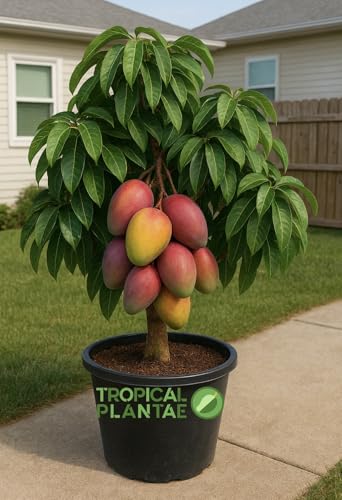
Imagine stepping into your backyard a few months from now and seeing a beautiful grafted Haden mango tree, growing stronger every day — a tree that will soon reward you with one of the most classic, flavorful mangoes ever grown.

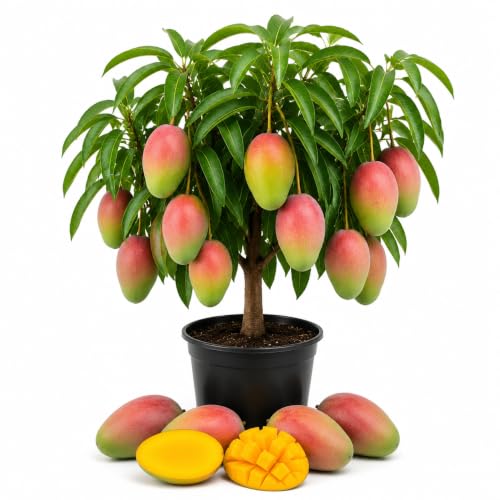
Imagine stepping into your backyard and seeing a healthy mango tree that isn’t just decorative, but working for you—growing, maturing, and moving you closer to harvesting your own premium mangos. That’s exactly what this Grafted Palmer Mango Tree offers.
Common Varieties
Various mango tree varieties yield fruit at different rates.
- Haden: Typically fruits within four years. Known for its rich flavor and bright red skin.
- Tommy Atkins: Starts producing in about three years. This variety is popular due to its resistance to disease and extended shelf life.
- Kent: Usually fruits in four to five years. Kent mangoes are juicy and have a sweet flavor, making them favorites among mango lovers.
- Keitt: Begins yielding fruit in four to six years. This late-season variety offers a refreshing, sweet taste.
Choosing a grafted variety can lead to quicker fruit production compared to seed-grown trees.
Optimal Conditions
Creating optimal conditions supports faster fruit production.
- Temperature: Mango trees thrive between 70°F to 100°F. Maintaining these temperatures ensures robust growth.
- Sunlight: Provide full sunlight exposure for at least six hours daily. Sunlight promotes flowering and fruit set.
- Humidity: Aim for moderate humidity levels; too much moisture can lead to fungal issues.
- Soil Quality: Use well-draining, nutrient-rich soil. Test the soil regularly and amend it with compost for essential nutrients.
By establishing these optimal conditions, you create an environment conducive to early and abundant fruiting.
Conclusion
Growing a mango tree is a rewarding journey that requires patience and care. While it may take three to six years for your tree to bear fruit you can enjoy the process by nurturing it along the way. By providing the right conditions and care you’ll set your tree up for success.
Remember to choose the right variety for your climate and to keep an eye on factors like soil quality and sunlight. With dedication and the right practices you’ll be on your way to savoring those sweet mangoes in no time. So get ready to enjoy the fruits of your labor and the delicious taste of homegrown mangoes.
Frequently Asked Questions
How long does it take for a mango tree to bear fruit?
It typically takes three to six years for a mango tree to produce fruit, depending on the tree variety and the care it receives. For grafted varieties, fruit production may occur earlier than with seed-grown trees.
What are the growth stages of a mango tree?
Mango trees go through three main growth stages: seedling stage (3 to 6 months), juvenile stage (3 to 4 years), and mature stage (3 to 6 years), with fruit production occurring during the mature stage.
What factors influence mango fruit production?
Fruit production is influenced by the tree’s age, variety, climate conditions, and soil quality. Proper care, including watering and fertilization, also plays a crucial role in maximizing yield.
What type of climate do mango trees thrive in?
Mango trees thrive in warm, tropical climates, ideally with temperatures ranging from 70°F to 100°F. They require full sunlight for at least six hours daily and moderate humidity levels for optimal growth.
How can I improve the soil quality for my mango tree?
To enhance soil quality, ensure it’s well-draining and nutrient-rich. Regular soil testing is recommended, and adding compost can provide essential nutrients for healthy mango tree growth.
What is the best way to care for a mango tree?
Proper care includes regular watering, appropriate fertilization, and pruning techniques. Ensuring adequate sunlight and maintaining optimal humidity levels will also support healthy growth and fruit yield.
Which mango varieties produce fruit the quickest?
Grafted mango varieties typically bear fruit earlier than seed-grown trees. For example, the Tommy Atkins variety usually fruits in about three years, while the Haden variety takes around four years.
Can I grow mango trees in pots?
Yes, mango trees can be grown in pots, but they require sufficient space for root growth. Choose a large, well-draining container and ensure they receive plenty of sunlight and proper care.
