

Have you ever watched helplessly as deer munch on your precious fruit trees? It’s a frustrating sight for any gardener. You’ve put in the hard work, and now those graceful creatures are threatening your harvest.
Key Takeaways
- Understanding deer behavior and seasonal eating habits is crucial for effectively protecting your fruit trees from damage.
- Implementing physical barriers like high fences, trunk guards, and netting can provide robust defense against deer for your fruit trees.
- Utilizing natural repellents, such as specific aromatic plants and homemade mixtures, offers eco-friendly options to deter deer effectively.
- Chemical repellents can also be beneficial; selecting long-lasting and non-toxic products ensures safe usage around your garden.
- Regular maintenance and monitoring of fruit trees and protective measures help identify potential threats and maintain their effectiveness.
- Adjusting and reevaluating your deer deterrent strategies with changing seasons can optimize protection and keep your fruit trees thriving.
Understanding Deer Behavior
Understanding deer behavior helps you protect your fruit trees effectively. Knowing their eating habits and seasonal patterns equips you with strategies to deter them.
Why Do Deer Eat Fruit Trees?
Deer eat fruit trees primarily for the nutritional value they provide. The buds, leaves, and fruits are rich in vitamins and minerals. They seek soft, tender plants and are drawn to young trees, which are easier to access. Additionally, stressors like food scarcity due to other environmental factors can increase their interest in your trees.
Seasonal Eating Habits
Deer eating habits fluctuate with the seasons. In spring, they focus on tender shoots and fresh leaves. Summer brings an abundance of fruits and nuts, making your fruit trees particularly appealing. As winter approaches, deer search for reliable food sources. They’ll target trees when other food diminishes. Each seasonal shift can attract them to your garden, making awareness of these patterns crucial for effective prevention strategies.
Effective Physical Barriers
Using physical barriers is one of the best ways to protect your fruit trees from deer. These methods are straightforward, practical, and can deter deer effectively.
Recommended Products
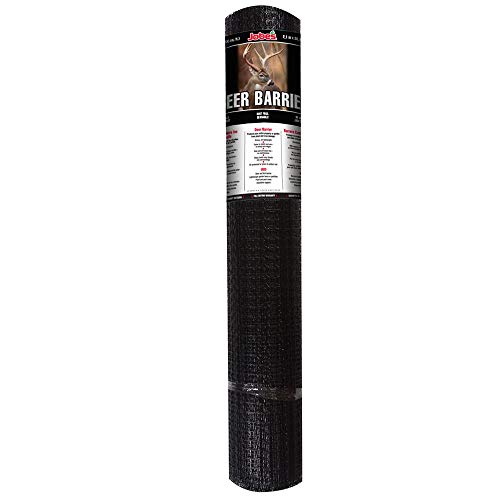
Tough durable deer fence; Protects landscape and crops from deer and other animals

Extra-Tall Deer Protection: At 60 inches high, this deer fence netting is specially designed to prevent jumping and climbing from whitetail deer and other large animals.

Heavy Duty Posts: These t posts are made of 0.08" (2mm) rugged steel to ensure the fencing post is stable and durable
Fencing Options
- Height: Install fences at least 8 feet high. Deer can easily jump over shorter barriers.
- Types: Use stock fences, woven wire, or electric fencing. Each type offers different levels of protection and cost.
- Installation: Ensure that the fence is buried 6-12 inches underground. This prevents deer from digging underneath.
- Gates: Make sure gates are secure. Deer can be crafty and may try to slip through if gates aren’t properly closed.
- Maintenance: Regularly check for damage. Repair any breaks immediately to maintain effectiveness.
- Materials: Use metal mesh or plastic guards around the base of your trees. These materials deter deer from rubbing against the trunks.
- Installation: Wrap the guard around the trunk, leaving some space between the guard and the bark. This prevents moisture buildup.
- Netting: Apply bird netting over your fruit trees during the growing season. This keeps deer away without harming the trees.
- Height: Ensure the netting extends to at least 6 feet high, as deer can reach into lower netting.
- Secure: Anchor the netting to the ground with weights or stakes. This prevents deer from pushing it aside to access the trees.
Implementing these physical barriers creates a robust defense against deer, allowing your fruit trees to thrive without the threat of being eaten.
Natural Repellents
Natural repellents can maintain your fruit trees without using harsh chemicals. These alternatives often involve plants and homemade mixtures that create scents or tastes deer avoid.
Recommended Products

Over 100,000 Repeat Customers - For over 20 years Deer Out is the trusted brand for professional gardeners, landscapers and farmers alike. Works Great!

REPELS DEER AND RABBITS: Deer and rabbits don’t have to eat vegetation for the repellent to be effective—they have a natural aversion to the scent

Over 100,000 Repeat Customers - For over 20 years Deer Out is the trusted brand for professional gardeners, landscapers and farmers alike. Works Great!
Plants That Deter Deer
Certain plants can naturally repel deer. Consider these options to include in your garden:
- Lavender: Its strong fragrance deters deer while adding beauty to your landscape.
- Rosemary: This aromatic herb’s scent is unappealing to deer. It’s also great for your cooking.
- Thyme: Thyme’s robust smell can discourage deer from approaching.
- Sage: The strong scent of sage can act as a natural barrier.
- Marigolds: Their distinct smell and bitterness keep deer at bay.
Plant these species around your fruit trees to provide a protective barrier. Mixing these plants among your fruit trees can further enhance the deterrent effect.
Homemade Deer Repellents
You can create effective homemade deer repellents using common household items. Consider these recipes:
- Egg and Water Solution: Blend one egg with one quart of water. Spray this mixture on your trees. The scent will deter deer.
- Garlic and Pepper Mix: Combine crushed garlic cloves with cayenne pepper and water. Let it steep overnight, then strain and apply to your trees. Deer dislike both ingredients.
- Soap Solution: Grate a bar of soap (such as Irish Spring) and mix with water. Spray around your trees. Deer tend to avoid the scent of soap.
- Vinegar Spray: Mix equal parts vinegar and water. This strong smell keeps deer away. Reapply after rain.
Apply these repellents regularly, especially after rainfall. Adjust the concentration if needed to ensure effectiveness.
Chemical Repellents
Chemical repellents provide a strong option for deterring deer from your fruit trees. These products often contain specific ingredients that create an unpleasant taste or odor for the deer, discouraging them from feasting on your plants.
Recommended Products
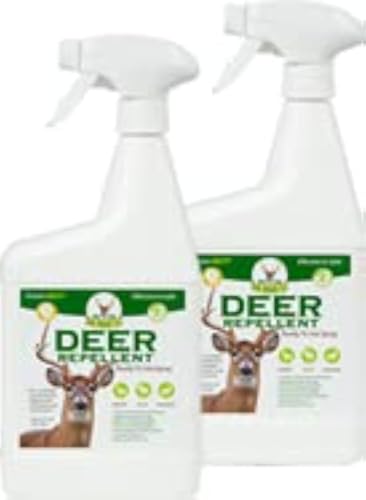
LONG LASTING - Bobbex deer repellent is proven to be the most effective long-lasting spray on the market. once applied, this deer spray will not wash away.

POWERFUL NATURAL FORMULA is PLEASANT SMELLING and uses plant extracts instead of harsh chemicals to deter deer, moose and elk from bedding down, rubbing, foraging damage, and eating your garden plants & flower beds

LONG-LASTING PROTECTION: Bobbex Deer Repellent is proven to be the most effective long-lasting spray on the market. Once applied, this deer spray will not wash away
Commercial Products Review
Various commercial repellents are available, each varying in effectiveness and formulation. Here are a few popular options:
- Liquid Fence: This repellent uses putrescent egg solids to create an odor that deters deer. It’s rain-resistant and requires reapplication every 30 days or after heavy rain.
- Deer Away: Made from natural ingredients, including putrescent egg solids and garlic, this product can be sprayed directly on plants. It’s effective for up to 90 days and safe for surrounding wildlife.
- Havahart Deer Repellent: This repellent combines natural oils like peppermint and cinnamon. It’s non-toxic and can be applied to both trees and plants, making it versatile for your garden.
- Bone Oil: This product uses the smell of animal fat to repel deer. Its strong odor may require more frequent applications to maintain effectiveness.
Analyzing labels helps identify the best product for your needs. Look for long-lasting formulations and non-toxic options if you’re concerned about the environment.
Application Tips
Applying chemical repellents effectively ensures the best results. Here are some tips for optimal application:
- Timing Matters: Apply repellents in the early morning or late afternoon when deer are most active. Ensuring the trees are dry allows for better adhesion.
- Cover All Areas: Spray the bark, leaves, and surrounding ground. Focus on areas where deer typically browse.
- Regular Reapplication: Follow the manufacturer’s instructions for the reapplication schedule. Factors like rain or strong winds can diminish effectiveness.
- Observe Deer Patterns: Monitor deer activity in your area. If you notice persistent problems, increase the frequency of application or switch products.
- Combine Methods: Use chemical repellents in conjunction with physical barriers or natural repellents for stronger protection. Mixing strategies reinforces your defenses against deer damage.
Employing these tips with commercial repellents enhances the chances of keeping deer at bay, allowing your fruit trees a greater opportunity to flourish.
Maintenance and Monitoring
Maintaining and monitoring your fruit trees is essential for keeping deer at bay. Regular attention helps identify potential threats and ensures your protective measures work effectively.
Regular Inspections
Inspect your fruit trees weekly. Look for signs of deer activity, such as tracks, droppings, or damaged branches. Check the integrity of your physical barriers, ensuring fences and guards remain intact. Assess any repellents used, noting their effectiveness. If you spot any issues, address them immediately. For example, if a section of your fence is leaning or damaged, repair it right away to prevent deer infiltration.
Re-evaluating Strategies
Re-evaluate your deer deterrent strategies every season. Changes in deer behavior can occur based on food availability and environmental factors. If you notice increased deer activity, switch up your methods. For instance, if you regularly use repellents, consider adding physical barriers or enhancing your natural deterrents by planting more aromatic plants around your trees. Keeping your approach fresh can maximize the protection for your fruit trees.
Conclusion
Protecting your fruit trees from deer doesn’t have to be a daunting task. By understanding their behavior and implementing a mix of physical barriers natural repellents and chemical options you can create a safe haven for your plants.
Regular maintenance and monitoring are key to staying one step ahead of these hungry critters. Keep an eye on your defenses and adapt your strategies as needed. With a little effort and creativity you’ll be able to enjoy a bountiful harvest without the worry of deer damage. Happy gardening!
Frequently Asked Questions
How do deer damage fruit trees?
Deer can significantly damage fruit trees by eating the buds, leaves, and fruits. Their feeding habits primarily focus on tender shoots in spring, fruit in summer, and, during winter, they search for reliable food sources. This feeding can hinder tree growth and affect overall fruit production.
What is the best way to protect fruit trees from deer?
The best protection includes installing physical barriers like tall fences (at least 8 feet high) and using tree guards to prevent rubbing. Combining these methods with regular monitoring can effectively safeguard your trees against deer.
Are there natural repellents for deer?
Yes, natural repellents include plants like lavender, rosemary, thyme, and marigolds, which can deter deer. Additionally, homemade solutions using ingredients like eggs, garlic, and vinegar can also provide added protection when applied regularly.
What chemical repellent options exist for deer?
Popular chemical repellents include Liquid Fence, Deer Away, and Havahart Deer Repellent. These products vary in ingredients and effectiveness, so it’s essential to choose options that are non-toxic and suitable for your garden’s specific needs.
How often should I check for deer activity?
Inspect your fruit trees weekly for signs of deer activity, such as tracks and droppings. Regular monitoring helps you identify any deer disturbances early and enables prompt action to protect your trees.
Should I adjust my deer deterrent strategies seasonally?
Yes, it’s important to re-evaluate and adjust your deterrent strategies each season. Deer behaviors and food availability change, so staying proactive will help ensure your methods remain effective throughout the year.
