

Have you ever wondered if a fig tree can surprise you with fruit before its leaves show up? You’re not alone. Many gardeners are curious about the timing of fig production and how it relates to leaf growth. Fig trees have their own unique patterns, and understanding this can help you better care for your plants.
Key Takeaways
- Unique Growth Pattern: Fig trees often produce fruit before their leaves fully develop, maximizing early growing season fruiting potential.
- Optimal Growing Conditions: For successful fig production, plant in sunny locations with well-drained, nutrient-rich soil and maintain consistent moisture without overwatering.
- Pruning Importance: Prune fig trees in late winter or early spring to enhance air circulation and direct energy toward fruit production.
- Leaf Significance: Leaves play a crucial role in photosynthesis and nutrient supply; thus, a balanced amount of foliage is essential for fruit development.
- Harvesting Tips: Monitor figs for size, color, and texture, and harvest in the morning for the sweetest flavor.
Overview Of Fig Trees
Fig trees (Ficus carica) belong to the Moraceae family and thrive in warm climates. These deciduous trees can reach heights of up to 30 feet and often feature broad, lobed leaves. Understanding the growth pattern of fig trees helps with their care.
Fruit and Leaf Production
Fig trees usually produce flowers and fruit before fully developing leaves. The figs appear on last year’s growth and can mature even while the tree is still leafing out. This unique growth cycle allows fig trees to maximize their fruiting potential early in the season.
Care Tips for Fig Trees
- Location: Choose a sunny spot with well-drained soil. Fig trees prefer full sun for optimal fruit production.
- Watering: Water regularly but avoid overwatering. The soil should be consistently moist but not soggy.
- Pruning: Prune fig trees in late winter or early spring. This encourages new growth and improves air circulation.
- How long does it take for figs to mature? Figs typically require 70 to 90 days to ripen after flowering.
- Can you grow fig trees in containers? Yes, fig trees can thrive in large containers, making them suitable for limited spaces.
By understanding these key aspects, you can successfully grow and care for fig trees, ensuring fruitful and healthy plants.
Understanding Fig Tree Growth
Fig trees showcase a distinctive growth pattern. They often produce fruit before fully developing their leaves, making them unique among fruit-bearing plants.
Life Cycle Phases
Fig trees progress through specific life cycle phases. During early spring, buds appear on bare branches. These buds mature into flowers and fruit. Interestingly, this process occurs before leaf development, enabling the tree to focus on fruit production early in the growing season. Once temperatures warm up, leaves begin to unfurl. This sequence optimizes energy use, allowing the fig tree to maximize its fruit yield.
Importance Of Leaves
Leaves play a crucial role in fig tree health. They provide essential photosynthesis, converting sunlight into energy. Healthy leaves support fruit growth, as they supply the necessary nutrients for development. Furthermore, adequate foliage helps with transpiration, regulating moisture levels within the tree. Without leaves, figs may not reach their full potential. For optimal growth, ensure your fig tree has a balanced amount of leaves to support the fruit it produces.
Does A Fig Tree Produce Fruit Before Leaves?
Fig trees are unique in their growth patterns, often producing fruit before their leaves fully develop. This intriguing characteristic occurs primarily in early spring, helping maximize the tree’s fruiting potential.
Recommended Products

🌇 live Chicago Hardy Fig tree 1 gallon is self-pollinating, comes with easy to use Fig food, and produces fresh Fig fruit every Year

Growing Zones: Fig trees grow best in USDA hardiness zones 7 or 8-12

Scientific Evidence
Research indicates that fig trees (Ficus carica) show a growth pattern in which flowers and fruit buds appear on bare branches well before leaf emergence. This process supports reproductive success by allowing fruit to mature alongside leaf development. According to studies, figs typically form after a short flowering period that prioritizes energy toward fruit production. Observations note that this sequence assists in early pollination and seed dispersal.
Environmental Factors
Environmental conditions play a significant role in the timing of fruit and leaf development. Warm temperatures and adequate sunlight encourage fig trees to produce fruit earlier. In contrast, cooler climates may delay fruiting until leaves appear. Additionally, factors such as soil quality and moisture levels impact growth rates. Well-drained, nutrient-rich soil and consistent watering can enhance the tree’s ability to produce fruit efficiently, even before foliage appears. These considerations are crucial for gardeners aiming for optimal fig production.
Implications For Gardening
Understanding the growth pattern of fig trees can significantly influence your gardening strategy. Recognizing that fig trees often produce fruit before their leaves emerge allows you to adjust your care practices for better yields and healthier plants.
Recommended Products

Japanese cutting paste for Bonsai tree after pruning. It is an authentic bonsai tool from Japan.
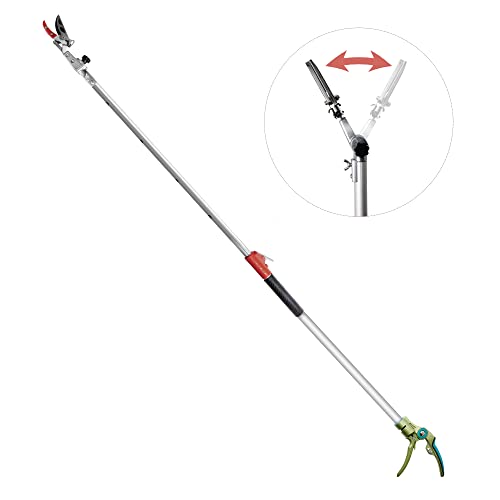
[Helpful Garden Tool] GARTOL brings to you a lightweight and extendable pruning tool to reach out to the least approachable arenas of your garden. You can conveniently get across other plants to remove the fastgrowing brambles and sting nettles without getting scratched or hurt. For gardening lovers, the telescopic pruner cutter head can can be rotated which resolves mobility issues and gives you the pleasure of trimming your garden without bending down or using a ladder to climb and cut them.

Pruning Techniques
Pruning fig trees effectively enhances fruit production. Focus on these techniques:
- Timing: Prune in late winter or early spring before new growth begins. This encourages healthier fruit set when the tree starts flowering.
- Method: Remove dead or diseased wood to promote airflow. This helps prevent disease and allows the tree to direct energy toward fruit production.
- Shape: Maintain an open center by cutting back branches that grow inward. This exposure to sunlight supports better leaf and fruit development.
By applying these pruning techniques, you can optimize your fig tree’s health and fruiting capabilities.
Timing Harvest
Timing your harvest maximizes the quality and quantity of figs. Here are some practical tips:
- Observation: Monitor fruit size and color. Figs typically turn a lighter hue as they ripen. Depending on the variety, ripe figs can be green, yellow, purple, or black.
- Feel: Gently squeeze figs. Ripe fruit will yield slightly to pressure, indicating softness. This texture signals readiness for harvest.
- Timing: Harvest in the morning after dew has dried. Figs’ sugars are concentrated at this time, resulting in sweeter fruits.
Following these guidelines will lead to satisfying harvests and ensure that your figs are enjoyed at their peak flavor.
Conclusion
Understanding how fig trees produce fruit before their leaves can really enhance your gardening experience. By recognizing this unique growth pattern you can optimize your care techniques and boost your fig yields. Remember that while the leaves are vital for the tree’s health and photosynthesis the early fruit production gives you a head start on enjoying those delicious figs.
With the right attention to pruning and environmental factors you’ll be well on your way to a fruitful harvest. So get ready to nurture your fig tree and savor the sweet rewards it brings!
Frequently Asked Questions
Can fig trees produce fruit before their leaves appear?
Yes, fig trees (Ficus carica) can produce flowers and fruit on bare branches before their leaves fully develop. This unique growth pattern allows them to maximize fruit production early in the season, which can lead to a more fruitful harvest.
What is the typical height of a fig tree?
Fig trees can reach heights of up to 30 feet, depending on the variety and growing conditions. They thrive in warm climates and require adequate space to grow properly.
How long does it take for figs to mature?
Figs typically take between 70 to 90 days to mature after flowering. Timing can vary based on environmental factors such as temperature and sunlight.
Can fig trees be grown in containers?
Yes, fig trees can be successfully grown in containers. Choosing the right size pot and ensuring proper drainage are essential for healthy growth and fruit production.
What care do fig trees require?
Fig trees require a sunny location, consistent watering, and regular pruning. Adequate sunlight promotes better fruit development, while pruning improves airflow and allows for nutrient access.
How can I tell when to harvest figs?
To determine when to harvest figs, monitor their size, color, and softness. Harvest in the morning for optimal sweetness and gather when the figs are slightly soft to the touch.
