

Have you noticed those shiny, iridescent bugs munching on your fruit trees? Japanese beetles can wreak havoc on your garden, leaving you frustrated and worried about your harvest. If you’ve ever watched helplessly as these pests devour your hard-earned fruits, you’re not alone.
Key Takeaways
- Identification: Japanese beetles are metallic green, about 0.5 inches long, and commonly emerge in late spring to early summer, causing significant damage to fruit trees by skeletonizing leaves.
- Life Cycle Understanding: Familiarizing yourself with the four life stages (egg, larva, pupa, adult) of Japanese beetles helps streamline effective management strategies throughout the growing season.
- Preventive Measures: Select resistant fruit tree varieties and use natural repellents like neem oil, garlic, and hot pepper solutions to deter beetle infestations.
- Chemical Solutions: Employ insecticides as a targeted approach, focusing on timing and method of application to minimize harm to beneficial insects and ensure effective pest control.
- Physical Barriers: Utilize netting and row covers to physically protect fruit trees from beetles and consider traps (placed away from trees) as part of an integrated pest management strategy.
- Monitoring and Maintenance: Conduct regular inspections of your trees and employ Integrated Pest Management (IPM) practices to maintain a healthy garden ecosystem and effectively manage Japanese beetle populations.
Understanding Japanese Beetles
Japanese beetles are shiny, iridescent pests that can damage fruit trees significantly. Identifying these pests and understanding their life cycle helps you manage their presence effectively.
Identification of Japanese Beetles
Japanese beetles measure about 0.5 inches in length. They have a metallic green body with copper-brown wing covers. Noticeably, they possess white tufts of hair along the sides of their abdomen. You may spot them feeding on leaves, causing a characteristic skeletonized appearance. Look for them in late spring to early summer, as they emerge in search of food.
Life Cycle and Behavior
Japanese beetles undergo a complete life cycle that consists of four stages: egg, larva, pupa, and adult.
- Egg Stage: Females lay 40-60 eggs in the soil from June to July.
- Larva Stage: Eggs hatch into C-shaped grubs, feeding on roots of grass and plants, often damaging lawns.
- Pupa Stage: Grubs transform into pupae in late summer, remaining in the soil until spring.
- Adult Stage: In spring, adults emerge to mate and start the cycle again.
Understanding this behavior helps you target appropriate management strategies during each life stage.
Preventive Measures for Fruit Trees
Preventing Japanese beetles from infesting fruit trees involves a combination of plant selection, natural repellents, and good maintenance practices.
Recommended Products
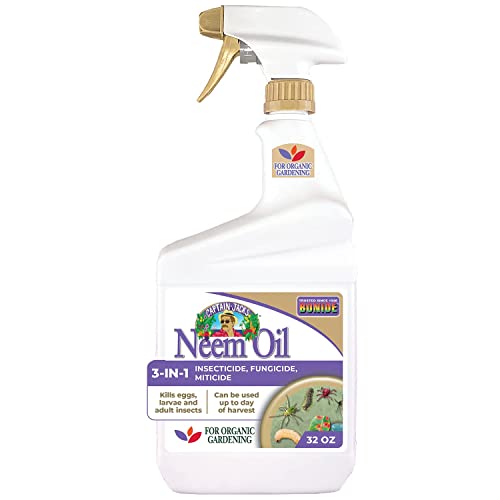
MULTI-PURPOSE BUG KILLER - Bonide Neem Oil is a perfect pest control solution for any garden dealing with mites, flies, mildew, and more. This product is a three-in-one fungicide, miticide, and insecticide.

PLANT DISEASE CONTROL: Natria Neem Oil acts as an insecticide and fungicide in one convenient spray; Ready-to-use trigger sprayer requires no mixing

INSECT KILLER: BioAdvanced Organics Brand Neem Oil spray controls aphids, whiteflies, spider mites, and other listed pests
Plant Selection
Choose resistant varieties of fruit trees. Certain types of apple, cherry, and pear trees exhibit higher resistance to Japanese beetles. For example, consider planting ‘Honeycrisp’ apples or ‘Bing’ cherries as both show resilience against these pests. Also, native plants in your garden may draw beneficial insects that can help control beetle populations. Incorporating diverse flora promotes a balanced ecosystem, which deters infestations.
Using Natural Repellents
Utilize natural repellents to keep Japanese beetles at bay. Neem oil acts as an effective deterrent; spray it on affected trees every two weeks during the beetle season. Another option is a solution made from garlic and hot pepper; mix these ingredients with water and spray the mixture around your trees. This not only repels beetles but also lessens the appeal of your fruits. You can also plant mint or basil nearby, as their strong scents repel beetles naturally. Be sure to reapply after rain for continued protection.
Chemical Solutions
Chemical solutions can effectively manage Japanese beetle populations on fruit trees. When using insecticides, it’s essential to select products specifically designed for these pests to ensure maximum effectiveness while minimizing harm to beneficial insects.
Recommended Products

KILLS LISTED FRUIT & CITRUS TREE INSECTS: Controls Asian Citrus Psyllid, Whiteflies, Aphids Thrips, Citrus Leafminers, Leafhoppers, Blackfly, Mealybugs, Scales, Avocado Lacebugs, Oriental Beetles, Flea Beetles, Sharpshooters, and Spittlebugs

INSECT KILLER - This pest control is great for use on certain species of mite, aphid, ant, scale, beetle, leaf miner, worm and over 100 listed species of bug.

Control diseases and insects in your garden with Captain Jack’s Fruit Tree Spray Concentrate! Use on a variety of listed fruits, nuts and citrus plants.
Insecticides Overview
Insecticides fall into various categories, such as contact, systemic, and residual products. Contact insecticides kill beetles upon direct contact, while systemic insecticides are absorbed by the plant, rendering the plant toxic to beetles that consume it. Residual insecticides remain active on the surface of treated areas, providing extended protection. Popular insecticides for Japanese beetles include pyrethroids, such as bifenthrin and permethrin, as well as neonicotinoids like imidacloprid. Always read the label to confirm the product’s safety for your fruit trees and beneficial insects.
Application Techniques
Effective application techniques enhance the success of insecticides. Follow these tips for optimal results:
- Timing: Apply insecticides in the morning or late afternoon when beetle activity peaks. Avoid applying during peak sunlight to minimize the risk of harming beneficial insects.
- Target Areas: Focus on infested areas, treating both the upper and lower surfaces of leaves, where beetles tend to hide. Pay special attention to clusters of beetles.
- Spray Method: Use a sprayer for even coverage. Maintain a consistent distance from the foliage to ensure thorough application without oversaturating any spot.
- Reapplication: Follow the recommended reapplication schedule. Most insecticides remain effective for a limited period, so timely reapplication maintains protection.
- Protect Beneficials: Avoid spraying during flowering seasons, as this can harm pollinators. Consider using targeted application methods that minimize chemical exposure to non-target species.
With careful consideration and precise application, chemical solutions can significantly reduce Japanese beetle populations, protecting your fruit trees from damage.
Physical Barriers
Effective management of Japanese beetles often involves using physical barriers to protect your fruit trees. These strategies act as a first line of defense against infestations.
Recommended Products

Ultra-Fine Mesh Protection: Ultra-fine mesh helps deter small insects while allowing air, sunlight, and water to pass through, supporting healthy plant growth without blocking daily garden care

Garden Netting Bags For Garden Protection: You will receive 2pcs garden netting, size 8*8ft, perfect for various plants such as fruit trees, blueberry shrubs, large potted plants, flowers, etc. The large fruit tree netting bags effectively prevents insects and small animals such as cicadas, beetles, rabbits, birds from damaging your plants, ensuring safe growth and obtaining more harvest

LIGHT WEIGHT TIGHT MESH:Fruit potted netting is made of 40 mesh ultra-dense nylon material, which is light weight, will not crushing the new branches growing on top of your fruit trees branch
Netting and Row Covers
Netting and row covers create a protective layer over your trees. Use lightweight mesh fabrics that allow light and moisture to reach the plants while blocking beetles from accessing them. Install the covers early in the season to ensure your trees remain guarded before beetles typically emerge. Secure the edges down to the ground to prevent beetles from sneaking underneath. These covers also provide additional benefits, such as protecting against birds and harsh weather conditions.
Traps and Their Effectiveness
Traps can help capture Japanese beetles, but understanding their effectiveness is crucial. Use traps specifically designed for these beetles, often baited with pheromones or floral scents to attract them. Place traps away from your fruit trees, as they may inadvertently attract more beetles to the area. Monitor the traps regularly and empty them to maintain effectiveness. Remember, while traps can reduce the number of beetles, they shouldn’t be your sole strategy. Combine traps with other management techniques for better overall results.
Monitoring and Maintenance
Effective monitoring and maintenance strategies ensure healthy fruit trees while minimizing Japanese beetle damage. Consistent efforts can lead to better outcomes.
Regular Inspection
Conduct regular inspections of your fruit trees to detect Japanese beetles early. Check foliage and fruit weekly, focusing on the undersides of leaves. Look for adult beetles as well as signs of damage, such as skeletonized leaves. If you find beetles, remove them by hand and drop them into soapy water to kill them.
Note any patterns in beetle activity. For instance, if certain trees attract more beetles, it might indicate specific factors at play, such as the tree’s health or nearby plants. Document your findings to adjust your strategies accordingly.
Integrated Pest Management (IPM) Strategies
Adopt Integrated Pest Management (IPM) strategies to effectively manage Japanese beetles. Implement a combination of techniques to improve results while protecting beneficial insects. Start by promoting natural predators that feed on beetle larvae, such as nematodes and birds.
Monitor weather conditions. Japanese beetles thrive in warm, humid weather. Reduce watering on hot days to deter adult beetles looking for moisture. Introduce companion planting by cultivating plants like marigolds and geraniums that repel beetles.
Use traps responsibly. Position them away from your fruit trees to avoid attracting more beetles. Check traps regularly and remove any captured beetles. Rotate your insecticide use to prevent beetles from developing resistance while keeping track of the effectiveness of each product.
Incorporating regular inspections and IPM strategies creates a proactive approach to managing Japanese beetles, ensuring your fruit trees remain healthy and productive.
Conclusion
Keeping Japanese beetles off your fruit trees doesn’t have to be a daunting task. By understanding their life cycle and implementing a mix of preventive measures and management strategies, you can protect your precious fruits. Remember to choose resistant varieties and consider natural repellents to create a less inviting environment for these pests.
Regular monitoring and maintenance are key to catching infestations early. With a little effort and attention, your fruit trees can thrive, providing you with delicious harvests season after season. Enjoy the process and take pride in nurturing your garden while keeping those pesky beetles at bay. Happy gardening!
Frequently Asked Questions
What are Japanese beetles?
Japanese beetles are shiny, iridescent pests known for causing significant damage to fruit trees. They have metallic green bodies and copper-brown wing covers, along with white tufts of hair on their abdomens. Typically, they appear from late spring to early summer and leave a skeletonized appearance on plant leaves.
How can I identify Japanese beetles?
You can identify Japanese beetles by their distinctive metallic green bodies, copper-brown wing covers, and white hair tufts on their abdomens. They usually emerge in late spring to early summer and are known for the damage they leave behind, such as skeletonized leaves.
What is the life cycle of a Japanese beetle?
The Japanese beetle goes through four life stages: egg, larva, pupa, and adult. Understanding this cycle is essential for effective management, as each stage requires different control methods that vary in behavior and treatment strategies.
How can I prevent Japanese beetle infestations?
To prevent infestations, consider planting resistant fruit tree varieties like ‘Honeycrisp’ apples and ‘Bing’ cherries. Additionally, use natural repellents like neem oil or garlic-hot pepper solutions, and plant herbs like mint or basil nearby to deter beetles.
What chemical solutions are available for controlling Japanese beetles?
Chemical solutions for managing Japanese beetles include insecticides specifically designed for these pests. Options like pyrethroids and neonicotinoids are effective, but it’s crucial to follow label instructions for safe and effective application while protecting beneficial insects.
Are physical barriers effective against Japanese beetles?
Yes, physical barriers like netting and row covers can effectively protect fruit trees from Japanese beetles. These barriers allow light and moisture to pass through while blocking beetles, and should be secured properly to prevent them from sneaking underneath.
How often should I monitor my fruit trees for Japanese beetles?
Regular inspections are essential for early detection of Japanese beetles. It’s recommended to check your fruit trees weekly, focusing on the undersides of leaves and watching for signs of damage to manage beetle populations effectively.
What is Integrated Pest Management (IPM) for Japanese beetles?
Integrated Pest Management (IPM) is a holistic approach that combines various techniques for controlling Japanese beetles while minimizing harm to beneficial insects. This includes regular monitoring, promoting natural predators, and using traps responsibly for effective management.
