

Have you ever wondered how long it takes for a persimmon tree to bear fruit? If you’re considering planting one or already have a young tree in your backyard, you’re not alone in your curiosity. Watching your tree grow and waiting for those sweet, delicious fruits can feel like a test of patience.
Key Takeaways
- Types of Persimmons: Understand the differences between American and Asian persimmon trees; American persimmons thrive in cooler climates, while Asian persimmons prefer warmer zones.
- Fruiting Timeframes: Be patient; American persimmons take 5 to 8 years to bear fruit, while Asian varieties typically fruit within 4 to 6 years, depending on age and conditions.
- Optimal Growth Conditions: Ensure well-drained, slightly acidic soil, full sun exposure, regular watering, and balanced fertilization to support healthy growth and fruit production.
- Fertilization and Pruning: Employ proper fertilization and pruning techniques to encourage faster fruiting. Prune during dormancy and avoid over-fertilizing to enhance fruit yield.
- Challenges: Be aware of potential pest and disease issues that can affect fruiting, and take proactive measures to ensure optimal growing conditions.
- Environmental Factors: Monitor environmental stressors such as temperature fluctuations and soil moisture to enhance fruit set and overall tree health.
Understanding Persimmon Trees
Persimmon trees are unique and rewarding additions to any garden, with a timeline for fruiting that varies by type. This section breaks down the types of persimmon trees and their growth conditions, helping you cultivate a healthy tree.
Types of Persimmon Trees
You’ll find two main types of persimmon trees: American persimmons and Asian persimmons.
- American Persimmons: These trees are native to the eastern United States. They produce small, sweet fruit that ripens in late fall. The trees are hardier and can tolerate colder climates, thriving in USDA zones 4 to 9.
- Asian Persimmons: Originating from East Asia, these trees produce larger, non-astringent fruit. They ripen in late summer to fall and are popular in the market. These trees flourish in USDA zones 7 to 10, requiring a warmer climate with well-drained soil.
Both types require patience, as fruit development occurs after several years of growth.
Growth Conditions for Persimmons
Successful persimmon growth relies on optimal conditions. Consider the following factors:
- Soil Type: Persimmons prefer slightly acidic to neutral soil, ideally with a pH range of 6.0 to 7.0. Loamy, well-drained soil promotes strong root development.
- Sun Exposure: Full sun is essential for persimmons, with at least 6 hours of direct sunlight daily. Adequate sun enhances photosynthesis and fruit production.
- Watering Needs: Regular watering is crucial during the first few years. Ensure the soil remains moist but not waterlogged. Once established, persimmons are drought-tolerant but still benefit from occasional watering during dry spells.
- Fertilization: Use a balanced fertilizer in early spring to support healthy growth. Avoid over-fertilizing, as excessive nitrogen can lead to lush foliage with fewer fruits.
By understanding these key elements, you can create an ideal environment for your persimmon tree to thrive and eventually bear fruit.
Timeframe for Fruiting
Persimmon trees require patience before they start producing fruit. Several factors influence how long it takes for a persimmon tree to bear its first fruit, and understanding these can help set appropriate expectations.
Recommended Products
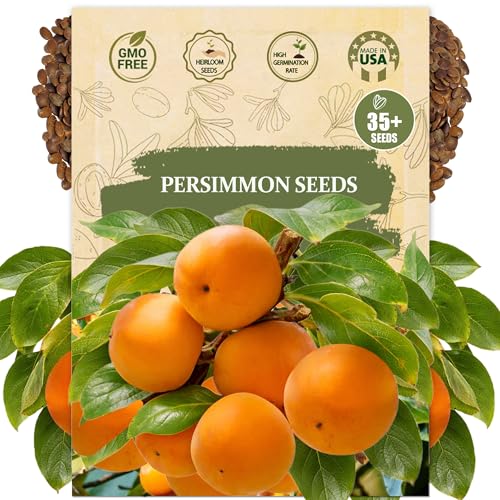
🌳 PERSIMMON TREE SEEDS FOR HOME GARDENS: Persimmon tree seeds are ideal for backyard gardens, raised beds, or seed-starting before transplanting outdoors in suitable climates.

These fruit tree seeds for planting promise plentiful crops of delicious fruits.

PRODUCT IMAGE DISCLAIMER: The main image is for reference only. The plant you receive may not look exactly the same as shown in the first image
Factors Affecting Fruiting Time
- Tree Age: Younger trees take longer to fruit. American persimmons can take 3 to 6 years, while Asian persimmons often fruit in 4 to 7 years.
- Varietal Differences: Different cultivars of persimmons have varying growth rates. Choose a variety suited for your climate and soil condition to optimize fruiting time.
- Growing Conditions: Ideal conditions include full sun, well-drained soil, and adequate watering. Poor conditions can delay fruiting significantly.
- Pollination: Some persimmon trees require cross-pollination for fruit set. Ensure the presence of compatible cultivars to promote fruiting.
- Fertilization: Proper fertilization practices boost tree health, leading to earlier fruit production. Regular soil testing can guide fertilization needs.
Average Time to First Fruit
On average, American persimmon trees take 5 to 8 years to produce fruit, and Asian persimmons provide fruit within 4 to 6 years. Variability exists based on specific varieties and care provided. Planting a well-established tree can shorten the wait. For optimal fruiting, maintain healthy growing conditions and monitor tree development throughout the years.
Care Tips for Faster Fruiting
Fostering optimal care for your persimmon tree can significantly speed up its fruiting process. Focus on specific practices to promote a healthy, productive tree.
Recommended Products
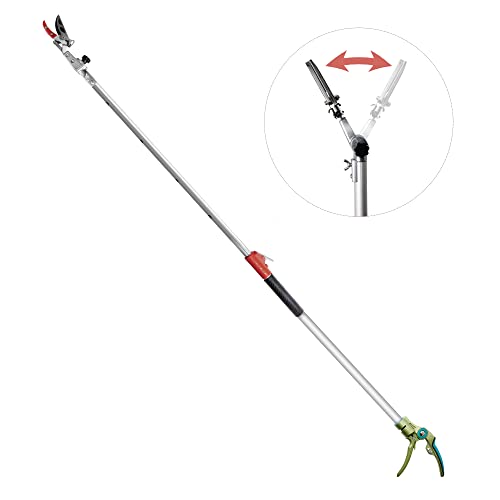
[Helpful Garden Tool] GARTOL brings to you a lightweight and extendable pruning tool to reach out to the least approachable arenas of your garden. You can conveniently get across other plants to remove the fastgrowing brambles and sting nettles without getting scratched or hurt. For gardening lovers, the telescopic pruner cutter head can can be rotated which resolves mobility issues and gives you the pleasure of trimming your garden without bending down or using a ladder to climb and cut them.

Sharp Mn Steel Blade for Fast & Clean Cuts: This pole saw uses a sharp three-sided edge with a double-sided barb design to grip branches securely and cut smoothly from multiple angles. The Mn steel blade is durable, rust-resistant, and lightweight, delivering fast, clean cuts. This is a manual pole saw with detachable pole sections for adjustable reach; not pruner not telescoping pole, it is neither electric nor battery-powered.

1:EXTENDABLE REACH FOR LADDER-FREE SAFETY – Acting as both a reliable tree pruner and a fruit picker pole, this tool effortlessly extends from 3.28 to 5.25 FT to reach high branches up to 10 FT from the ground. The innovative rotating and locking head allows for precise angles without unstable ladders or risky stretching, ensuring maximum safety.
Importance of Soil Quality
Soil quality plays a crucial role in fruit production. Use well-draining soil rich in organic matter. Perform soil tests to ensure pH levels between 6.0 and 7.0. Amend sandy or clay soils with compost to improve structure and nutrient content. This nutrient-rich environment encourages faster growth and earlier fruiting.
Pruning Techniques
Proper pruning techniques help promote fruiting. Start pruning when the tree is dormant, typically in late winter. Focus on removing dead, damaged, or crossing branches. This increases air circulation and sunlight penetration, which enhances fruit development. Shape the tree to encourage a strong central leader, creating a balanced form that supports fruit weight. Aim to prune about 20% of the tree each year, maintaining its health and vigor for better yields.
Common Challenges in Fruiting
Fruiting can present various challenges for persimmon trees. Understanding these issues helps in taking proactive measures for successful cultivation.
Recommended Products
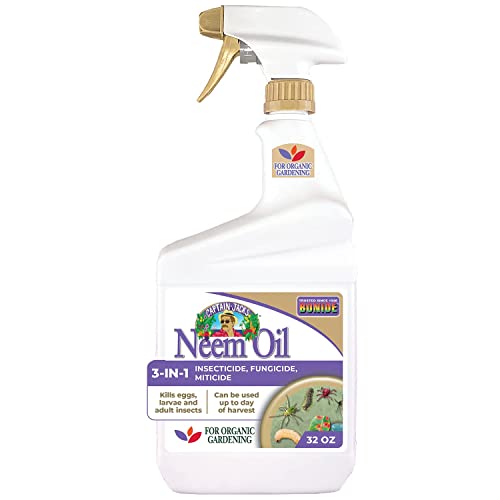
Protect your oasis with 3 garden products in 1 from Captain Jack’s; Bonide Captain Jack’s Ready-to-Use Neem Oil spray for plants is a multi-purpose fungicide, insecticide and miticide for your lawn & garden

FUNGAL DISEASE CONTROL: Prevents and controls black spot on roses, powdery mildew, rust, downy mildew, and other listed fungal diseases when applied on a 7–14 day schedule

PLANT DISEASE CONTROL: Natria Neem Oil acts as an insecticide and fungicide in one convenient spray; Ready-to-use trigger sprayer requires no mixing
Pests and Diseases
Pests like spider mites, aphids, and scale insects can hinder fruiting. Symptoms include yellowing leaves and distorted growth. Regular inspections assist in early detection. Use insecticidal soap or neem oil for treatment. Diseases such as root rot and fruit drop also affect your tree’s health. Ensure proper drainage and avoid overwatering to prevent root rot. Implementing crop rotation and maintaining clean foliage can minimize disease risks.
Environmental Stressors
Environmental factors play a significant role in fruit development. Fluctuating temperatures can lead to poor fruit set. Maintain consistent watering schedules, especially during drought conditions. Soil quality impacts fruiting as well. You must ensure well-draining soil rich in nutrients. Excessive shade can reduce fruit size, so select a planting location with full sun exposure. Regular mulching helps to retain moisture and regulate soil temperature, improving overall tree health.
Conclusion
Growing a persimmon tree is an exciting journey filled with anticipation. While it takes time for your tree to bear fruit you can enjoy the process of nurturing it along the way. By focusing on optimal care and creating the right conditions you’ll set your tree up for success.
Remember that patience is key as both American and Asian varieties have different timelines. With proper attention to soil quality pruning and pest management you can help your tree thrive. In the end the reward of delicious homegrown persimmons will be well worth the wait. So keep tending to your tree and look forward to the sweet fruits of your labor.
Frequently Asked Questions
How long does it take for a persimmon tree to bear fruit?
American persimmons typically take about 3 to 6 years to produce fruit, while Asian persimmons usually yield fruit within 4 to 7 years. On average, American varieties may take 5 to 8 years, and Asian varieties 4 to 6 years.
What factors affect the fruiting of persimmon trees?
Several factors influence fruiting, including tree age, varietal differences, growing conditions, pollination, and proper fertilization. Ensuring optimal soil quality, sun exposure, and watering can help promote fruiting.
What type of soil is best for persimmon trees?
Well-draining soil rich in organic matter is ideal for persimmon trees. A soil pH between 6.0 and 7.0 is recommended for optimal growth and fruit production.
How should I prune my persimmon tree?
Pruning should occur during the dormant season, usually in late winter. Remove dead or damaged branches to improve air circulation and sunlight penetration, promoting better fruit development.
What common pests and diseases affect persimmon trees?
Common pests include spider mites and aphids, while root rot is a frequent disease. Regular inspections and treatments with insecticidal soap or neem oil can help manage these issues.
How can I foster faster fruiting in my persimmon tree?
To encourage faster fruiting, maintain optimal soil quality, provide consistent watering, ensure full sun exposure, and practice proper pruning. Monitoring growing conditions is also crucial for tree health.
