

Growing almond trees in North Dakota requires careful planning and specific techniques to ensure survival in severe cold. Selecting cold-hardy varieties and implementing protective measures can significantly enhance the chances of successful cultivation in this challenging climate.
Cold-Hardy Almond Varieties for North Dakota
Choosing the right variety is crucial for successful almond cultivation in North Dakota. Cold-hardy varieties, such as the Tuono and Carmel, can withstand lower temperatures better than others. These varieties have been bred specifically for resilience against frost and extreme cold.
Factors to consider when selecting almond varieties include:
Frost tolerance: Look for varieties that can survive temperatures below 0°F.
Blooming time: Early blooming varieties may be more susceptible to late frosts.
Yield potential: Assess how much production you can expect based on local conditions.
| Variety | Frost Tolerance | Blooming Time | Yield Potential |
|---|---|---|---|
| Tuono | -10°F | Early | Medium |
| Carmel | -5°F | Mid | High |
Recommended Products

Seed Preparation: Soak the seeds in room-temperature water for 24–48 hours to soften the outer shell and promote germination.

Beautiful Pink Blooms – Produces stunning double-pink flowers each spring, adding vibrant color to your garden or landscape.

Imagine your property a few years from now — cooler, greener, and more comfortable. A place where a wide, layered canopy creates natural shade and transforms open space into a relaxing outdoor environment. That future starts with planting a Tropical Almond Tree (Terminalia catappa) today.
Soil Preparation Techniques for Almond Trees
Preparing the soil is crucial for successfully growing almond trees in North Dakota’s severe cold climate. Proper soil preparation techniques can enhance drainage, improve nutrient availability, and create a stable environment for young trees. Understanding these methods will help ensure that almond trees not only survive but thrive despite the challenging conditions.
Soil preparation is essential for the health of almond trees. Almonds thrive in well-drained, sandy loam soils with a pH of 6.0 to 7.5. Conduct a soil test to determine nutrient levels and pH balance.
Steps for preparing the soil include:
Test soil for pH and nutrient levels.
Amend soil with organic matter to improve drainage.
Tillage to aerate the soil and break up compacted areas.
Soil amendments can include:
Compost: Improves soil structure and nutrient content.
Lime: Raises pH if soil is too acidic.
Sulfur: Lowers pH if soil is too alkaline.
Cold Protection Strategies for Almond Trees
Growing almond trees in North Dakota presents unique challenges due to the region’s severe cold temperatures. To ensure these trees thrive despite harsh winters, specific cold protection strategies are essential. This section explores effective methods to safeguard almond trees from freezing conditions, enhancing their chances of survival and successful growth.
Protecting almond trees from cold temperatures is vital for their survival. Various methods can be employed to shield trees from frost damage.
Consider these protective techniques:
Mulching: Apply a thick layer of mulch around the base to insulate roots.
Windbreaks: Plant trees or shrubs to reduce wind exposure.
Row covers: Use lightweight fabrics to cover trees during cold snaps.
Recommended Products
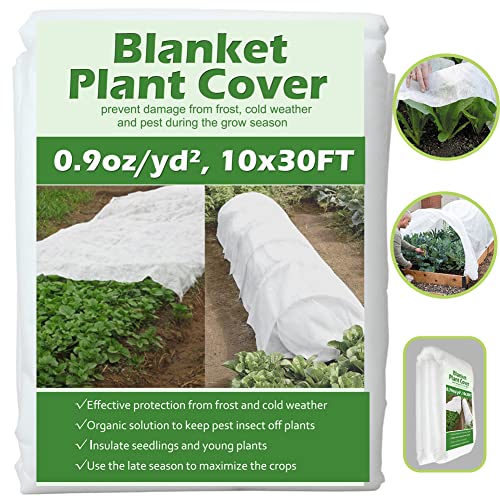
※Big Size to cover large area : The size of our plant cover is 10x30ft, the size can cover large areas. You can cut the plant covers freeze protection into different sizes for different use. You can cover it over the plant such as shrub tomato, pepper, pumpkin, and so on.

Agfabric plant covers are designed as a frost freeze protection,which is used to extend the growing season in cold winter and early spring wheather, allows 30%-50% light transmittance, resists harsh weather such as frost, wind, snow, hail.The heavy-weight FRCs is 1.5oz.

【Best Winterize Protections for Plants & Trees】 Extra Stable Plant Blanket creates and retains warmth while protecting against frosts (down to 38 degrees F.), harsh weather, birds, animals and insect. Faraer 1.06 oz. fabric thick fabric is ideal for extending the growing season into early spring and late fall, or for insulating strawberries, herbs, perennials, small fruits, and other tender landscape plants all winter long.
Frost Protection Strategies for Almond Trees
Successfully growing almond trees in North Dakota requires effective frost protection strategies due to the region’s severe cold temperatures. These methods are essential for safeguarding young trees and ensuring healthy growth, helping to mitigate the risks posed by late spring frosts and harsh winter conditions. Understanding and implementing these strategies can significantly enhance the chances of thriving almond orchards in this challenging climate.
Failure to implement protective measures can lead to significant frost damage and reduced yields.
Irrigation and Fertilization for Cold Climates
Successfully cultivating almond trees in North Dakota requires careful attention to irrigation and fertilization, especially given the challenges posed by severe cold. Proper management of water and nutrients is essential to ensure that these trees not only survive but thrive in a climate that can be harsh and unforgiving. Understanding these practices can significantly enhance the resilience and productivity of almond orchards in this region.
Proper watering and nutrient management are essential for the growth of almond trees in cold climates. Almond trees require consistent moisture, especially during the growing season.
Key practices include:
Irrigation: Ensure trees receive adequate water, particularly during dry spells.
Fertilization: Use a balanced fertilizer in early spring to promote growth.
Monitoring: Regularly check soil moisture levels and adjust watering accordingly.
| Nutrient | Recommended Rate | Application Timing |
|---|---|---|
| Nitrogen | 1 lb/tree | Early spring |
| Phosphorus | 0.5 lb/tree | Pre-bloom |
| Potassium | 0.5 lb/tree | Post-harvest |
Almond Tree Pest Control Techniques
Effective pest control is crucial for the successful cultivation of almond trees in North Dakota, where harsh winters can stress the trees and make them more susceptible to infestations. Understanding the specific pests that threaten almond trees and employing targeted management techniques can help ensure healthy growth and a fruitful harvest despite the challenging climate.
Pests and diseases can severely affect almond trees, especially in fluctuating temperatures. Implementing a proactive management plan can help mitigate these risks.
Consider these strategies:
Regular inspections: Monitor trees for signs of pests or diseases.
Integrated Pest Management: Use a combination of biological, cultural, and chemical controls.
Disease-resistant varieties: Select almond varieties known for their resistance to common diseases.
Pest and Disease Impact on Almonds
Pest and disease management is crucial for the successful cultivation of almond trees in North Dakota, where harsh winters can exacerbate vulnerabilities. Understanding the specific threats posed by pests and diseases helps growers implement effective strategies to protect their crops. This section explores the most common challenges faced by almond trees in this unique climate and offers insights into mitigation techniques.
Ignoring pest and disease issues can lead to tree decline and loss of harvest.
Cold-Hardy Almond Harvest Timing Strategies
Successfully growing almond trees in North Dakota requires careful consideration of harvest timing, especially given the region’s severe cold conditions. Understanding the optimal periods for harvesting can significantly impact yield and quality, ensuring that growers can maximize their crop despite the challenges posed by the climate. This section explores effective strategies tailored to the unique needs of cold-hardy almond varieties.
Harvesting almonds at the right time is crucial for quality and yield. Cold-hardy varieties may have different harvesting windows compared to traditional varieties.
Follow these guidelines for optimal harvesting:
Timing: Harvest when the hulls split and nuts fall to the ground.
Method: Use a mechanical shaker for large orchards or hand harvest for smaller plots.
Post-harvest care: Dry nuts promptly to prevent mold and spoilage.
| Harvest Method | Pros | Cons |
|---|---|---|
| Mechanical Shaker | Efficient for large areas | High initial investment |
| Hand Harvesting | Low cost | Labor-intensive |
Implementing these strategies will enhance the chances of successfully growing almond trees in North Dakota’s severe cold. Proper selection, preparation, protection, and care are essential for thriving almond cultivation.
