

Have you ever wished you could grow your favorite fruits in your backyard? Grafting fruit trees is a fantastic way to achieve that dream. It’s not just about planting seeds; it’s about combining the best traits of different trees to create a more fruitful and resilient plant.
Key Takeaways
- Grafting Basics: Grafting involves combining a rootstock and scion to create a resilient fruit tree that benefits from both parts’ desirable traits, including disease resistance and improved fruit quality.
- Key Components: Understand the roles of rootstock (supports growth and affects size) and scion (determines fruit type and characteristics) for successful grafting.
- Grafting Techniques: Familiarize yourself with various techniques such as whip and tongue, cleft, and bud grafting to match your trees’ needs and sizes.
- Proper Timing and Tools: Timing your grafting in early spring and using clean, sharp tools (like knives and pruning shears) is crucial for successful unions.
- Post-Grafting Care: Provide consistent watering and protect the graft area to encourage growth and establish a strong bond between rootstock and scion.
- Troubleshooting Common Issues: Be aware of potential problems such as poor graft unions, infections, and pest infestations; proactive monitoring and maintenance can help ensure a successful grafting experience.
Understanding Grafting
Grafting combines parts from two or more plants to create one fused plant. This process enhances fruit trees by merging desirable traits, such as increased resistance to pests or improved fruit quality. Key elements of grafting include the rootstock and the scion.
Components of Grafting
- Rootstock: The rootstock supports the new growth. It influences the tree’s size, drought resistance, and soil adaptability.
- Scion: The scion is the fruit-bearing part of the tree. It determines the type of fruit and its characteristics, like flavor and texture.
Benefits of Grafting
- Faster Fruiting: Grafted trees often bear fruit sooner than trees grown from seeds. This means you’ll enjoy your homegrown harvest quicker.
- Disease Resistance: You can choose rootstocks that offer resistance to common diseases. This choice increases the tree’s longevity and overall health.
- Variety: Grafting allows you to grow multiple fruit varieties on one tree. Enjoy apples, pears, or cherries from a single trunk.
Grafting Techniques
- Whip and Tongue Graft: Ideal for young trees. This technique creates a strong bond between scion and rootstock.
- Cleft Graft: Suitable for larger rootstocks. This method involves cutting the rootstock and inserting the scion.
- Bud Grafting: Simple and efficient. It involves inserting a bud from the scion directly into the rootstock, promoting new growth.
Tools You’ll Need
- Sharp Knife: Essential for making precise cuts. A clean cut ensures better healing.
- Grafting Tape: Use this to secure the grafts together. It helps maintain contact and moisture.
- Pruning Shears: Necessary for trimming excess growth, ensuring the graft focuses on developing.
- Choose the Right Time: Grafting is most successful in early spring when trees are actively growing.
- Select Healthy Plants: Use healthy rootstocks and scions. This choice greatly affects the success rate.
- Keep it Clean: Sterilize your tools to prevent disease transmission between plants.
Grafting enhances your gardening experience, giving you flavorful fruits from your backyard. Understanding grafting fundamentals not only boosts the health of your trees but also makes the process enjoyable.
Types Of Grafting Techniques
Several grafting techniques exist, each with unique benefits and procedures. Understanding these techniques helps you choose the best method for your fruit trees.
Recommended Products
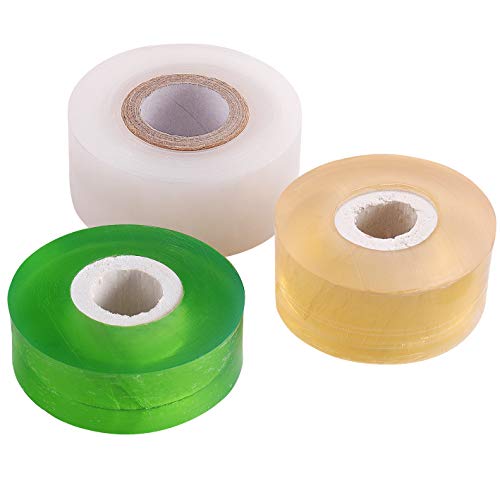
Flexible grafting tape adheres to itself with stretch gently

4-Roll Grafting Tape Set: Includes 4 rolls of high-quality grafting film (2 white: 3 cm x 100 m each; 2 green: 2 cm x 100 m each); different widths for various branch thicknesses
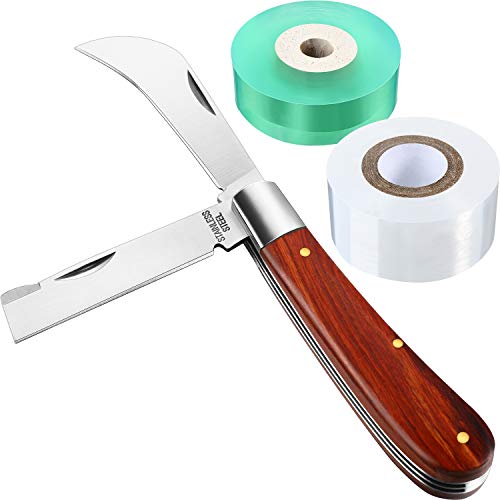
Package includes: you will get 1 double blades garden grafting knife and 2 rolls of grafting tapes in 2 sizes, ideal set for grafting budding, cutting, digging, sprouting, plants, weeding, cutting, sawing, etc.
Bud Grafting
Bud grafting involves taking a single bud from a desired variety and attaching it to the rootstock. This technique is particularly useful for growing varieties that don’t propagate well from cuttings. Here’s how to do it:
- Select a healthy bud from the desired variety.
- Make a T-shaped cut in the bark of the rootstock.
- Insert the bud under the bark flap.
- Wrap the graft with grafting tape to secure it.
- Keep an eye on healing and remove the tape once the bud shows growth.
Chip Budding
Chip budding is a variation of bud grafting, where a small chip of wood containing a bud is removed and inserted into the rootstock. It’s effective for larger rootstock or when the bark isn’t slipping. Follow these steps:
- Select a suitable bud chip from your desired tree.
- Cut a small rectangular piece from the rootstock’s bark.
- Insert the bud chip and ensure good contact.
- Wrap tightly with grafting tape, making sure the chip stays in place.
- Monitor the graft for signs of growth, which usually occurs in a few weeks.
Cleft Grafting
Cleft grafting is ideal for connecting a larger rootstock with one or more scions. It’s often used when converting or improving existing trees. Here’s how to perform cleft grafting:
- Cut the rootstock straight across using a sharp knife.
- Make a vertical cut down the center of the stump, about 2-3 inches deep.
- Prepare one or two scion pieces (each with several buds). Cut them into a wedge shape.
- Insert the wedge of the scion into the split of the rootstock.
- Secure everything with grafting tape or parafilm, ensuring a tight fit.
Successful grafting enhances your fruit trees’ quality and productivity, making it easier to enjoy homegrown fruits.
Steps To Graft Fruit Trees
Grafting fruit trees involves careful steps to ensure success. Follow these steps to achieve healthy, productive trees.
Selecting The Right Trees
- Choose Compatible Varieties: Select a rootstock and a scion that are compatible. For example, apple varieties typically graft well onto M26 rootstock.
- Assess Health: Ensure both trees are healthy and disease-free. Look for vibrant leaves and strong growth.
- Consider Local Climate: Opt for trees suited to your region’s climate. Local extension services can provide recommendations.
Preparing The Graft
- Gather Tools: Collect essential tools, including a sharp knife, pruning shears, and grafting tape.
- Make Clean Cuts: Cut the scion and rootstock at the desired angle. For whip and tongue grafting, aim for a 45-degree cut on both pieces.
- Match Cambium Layers: Align the cambium layers of the scion and rootstock. This alignment is crucial for successful grafting.
- Wrap Securely: Use grafting tape to bind the scion to the rootstock. Ensure it’s tight enough to hold but not so tight that it damages the bark.
- Cover Exposed Areas: Apply grafting wax or sealant to any exposed cuts to prevent moisture loss.
- Monitor Regularly: Check the graft site occasionally for signs of growth or infection. Ensure that the tape remains secure as the graft takes.
By following these steps, you’ll create strong, productive trees. Grafting opens opportunities for growing diverse fruit varieties right in your backyard.
Care And Maintenance After Grafting
After grafting, careful attention is crucial for the success of your fruit trees. Proper care promotes healthy growth and strong bonding between the rootstock and the scion.
Recommended Products

Used for budding and grafting plants, quick healing for cambium contact, effectively increase the survival rate of seedlings;

Buds and grafts succeed at a high rate with the use of Konload brand grafting tape. Universal for all seasons. A gentle stretch makes it self-adhesive

Stretches with plant growth and increases the survival rate of seedlings.
Watering
Watering plays a vital role in the recovery of grafted trees. Keep the soil consistently moist but not waterlogged. Water the trees immediately after grafting to settle the soil. Check the soil moisture regularly; it should feel damp up to a couple of inches deep. In hot weather, you might need to water more frequently. Aim for about 1 to 2 inches of water per week, either through rainfall or irrigation.
Protecting The Graft
Protecting the graft site helps ensure a successful union between the rootstock and scion. Use grafting tape or parafilm to secure the graft union, which prevents moisture loss and reduces the risk of infection. Monitor the graft regularly for signs of growth or any issues, such as pests or diseases. Cover the graft with a plastic bag or a cloche for additional protection, especially during cooler nights. Make sure to remove any covers periodically to provide airflow around the graft.
By implementing these care and maintenance practices after grafting, you increase the likelihood of thriving fruit trees in your garden.
Common Problems And Solutions
Grafting fruit trees can present various challenges. Knowing the potential problems and their solutions can enhance your grafting experience.
Poor Graft Union
Poor graft unions may occur when the cambium layers of the rootstock and scion don’t align correctly. Ensure precise cuts for proper contact. Use grafting tape to secure the union and keep it protected during recovery.
Infections and Diseases
Infections can arise at the graft site due to moisture or dirty tools. To prevent this, sterilize all tools before use. Apply an anti-fungal treatment at the graft site, if necessary. Regularly check for signs of infection, such as discoloration or wilting.
Lack of Growth
If there’s little or no growth post-grafting, assess the environmental conditions. Ensure the graft is getting enough light and moisture. Adjust watering to keep the soil moist but not soggy. Check for adequate temperatures; too hot or too cold can inhibit growth.
Pests
Pests like aphids or spider mites can target graft sites, leading to stress on the plant. Inspect your graft regularly. If pests appear, use insecticidal soap or organic pesticides. Encourage beneficial insects like ladybugs to help manage pest populations.
Not Fruit-Bearing
In some cases, the grafted tree doesn’t produce fruit in the expected timeframe. Patience is vital, as some varieties take longer to bear. Ensure proper care, like adequate watering and nutrient supply. Research the specific variety’s expected fruiting time to manage expectations.
Bark Splitting
Bark splitting can happen if the graft grows too quickly. To mitigate this, monitor growth rates, especially in the first year. If splits occur, wrap the area with grafting tape until healing completes.
Addressing these common problems with proactive measures greatly improves the success rate of grafting fruit trees.
Conclusion
Grafting fruit trees opens up a world of possibilities for your backyard garden. By combining the strengths of different plants you can enjoy healthier trees and a bountiful harvest of delicious fruits. Remember to choose the right techniques and pay attention to the care needed after grafting.
With a little patience and practice you’ll soon be reaping the rewards of your efforts. Whether you’re growing multiple varieties on one tree or simply enhancing the quality of your favorite fruits grafting can truly transform your gardening experience. So grab your tools and get started on this exciting journey into the art of grafting!
Frequently Asked Questions
What is grafting in fruit trees?
Grafting is a horticultural technique that involves combining parts from two or more plants to create a single fused plant. It enables you to merge desirable traits, such as better fruit quality and increased disease resistance, resulting in a more robust fruit tree.
Why should I graft fruit trees?
Grafting offers several benefits, including faster fruiting, enhanced disease resistance, and the ability to grow multiple fruit varieties on a single tree. This method allows you to maximize your garden’s productivity and enjoy diverse homegrown fruits.
What are the key components of grafting?
The two main components are rootstock and scion. The rootstock supports new growth and influences the tree’s size and adaptability, while the scion is the fruit-bearing part that determines the type and characteristics of the fruit.
What tools do I need for grafting?
Essential tools for grafting include a sharp knife, grafting tape, and pruning shears. These tools help you make clean cuts and secure the graft site effectively, ensuring a successful fusion of the plants.
What are popular grafting techniques?
Common grafting techniques include whip and tongue graft, cleft graft, and bud graft. Each method has its own unique advantages and can be chosen based on the specific plants you’re working with and your gardening goals.
When is the best time to graft fruit trees?
The ideal time to graft fruit trees is in early spring when the trees are still dormant. This timing helps promote successful graft unions as the plants begin their active growing phase.
How should I care for grafted trees after grafting?
Post-grafting care includes consistent watering to keep the soil moist, protecting the graft site with grafting tape, and regular monitoring for growth and potential issues. Providing extra protection during cooler nights is also recommended.
What are common problems during grafting?
Common issues include poor graft unions, infections, lack of growth, pest infestations, and bark splitting. Addressing these challenges proactively, such as ensuring proper alignment of cambium layers and sterilizing tools, can improve success rates.
How can I ensure successful grafting?
To ensure success, choose compatible and healthy trees, prepare the graft with clean cuts, align cambium layers properly, and securely wrap the graft site. Regular monitoring will help you catch any issues early.
