

Have you ever planted an avocado tree only to wait and wonder why it’s not bearing fruit? You’re not alone. Many avocado enthusiasts face the same challenge, feeling a mix of excitement and frustration as they nurture their trees.
The good news is that getting your avocado tree to produce fruit isn’t as complicated as it seems. With the right care and a few simple tips, you can encourage your tree to thrive and reward you with delicious avocados. This article will guide you through the essential steps to help your tree reach its full potential, so you can enjoy the fruits of your labor sooner than you think.
Key Takeaways
- Understanding Tree Types: Familiarize yourself with Type A and Type B avocado trees to improve pollination and fruit yield by selecting the right variety for your climate.
- Optimal Growing Conditions: Ensure your avocado tree is planted in well-draining soil with a pH of 6-7, receives at least 6 hours of sunlight, and is watered deeply but infrequently.
- Age Matters: Avocado trees typically start to produce fruit after 3-4 years; regular care is essential during their early years to ensure healthy growth and future fruiting.
- Pollination Importance: Enhance fruit production by planting Type A and Type B trees nearby for cross-pollination or opting for self-pollinating varieties like Hass.
- Proper Care Techniques: Focus on proper soil, watering practices, and fertilization with balanced fertilizers to encourage robust growth and fruiting in avocado trees.
- Address Common Issues: Regularly monitor for pests, diseases, and environmental stressors to maintain the health of your avocado tree and maximize fruit production.
Understanding Avocado Trees
Avocado trees require specific conditions and knowledge to produce fruit effectively. Knowing the types of avocado trees and their ideal growing conditions can enhance your tree’s fruit-bearing potential.
Types of Avocado Trees
Three main types of avocado trees exist:
- Type A: These trees bloom in the morning and afternoon. Examples include the Hass and Bacon varieties. They thrive in cooler climates.
- Type B: These trees set flowers mainly in the afternoon and evening. Examples include the Fuerte and Zutano varieties. They prefer warmer temperatures.
- Hybrid: Some trees exhibit characteristics of both types, allowing for cross-pollination. Combining types can improve fruit yield.
Selecting the right type based on your local climate and cross-pollination compatibility greatly affects fruit production.
Ideal Growing Conditions
Avocado trees flourish under certain conditions.
- Soil: Use well-draining soil with a pH between 6 and 7. Sandy loam or clay loam works best.
- Sunlight: Ensure your tree receives full sun for at least 6 hours a day.
- Water: Water deeply but infrequently to prevent root rot. Allow the top few inches of soil to dry out between watering.
- Temperature: Avocado trees thrive in temperatures between 60°F and 85°F. Protect them from frost.
By providing these optimal conditions, your avocado tree stands a better chance of producing fruit efficiently.
Factors Affecting Fruit Production
Fruit production in avocado trees depends on several critical factors. Understanding these elements ensures you can effectively encourage your tree to yield fruit.
Recommended Products


Age of the Tree
Age significantly influences an avocado tree’s fruiting ability. Generally, avocado trees begin fruiting between 3 to 4 years after planting. Younger trees, especially those less than three years old, might not produce any avocados yet. Trees older than five years usually yield more fruit. Regular care during the early years promotes healthy growth and sets the stage for later fruit production.
Pollination
Pollination plays a vital role in avocado fruit set. Avocado trees have unique flowering behavior, classified into Type A and Type B varieties. Type A trees bloom in the morning, and Type B trees bloom in the afternoon. To enhance pollination, plant both types near each other. This cross-pollination encourages higher fruit set and increases overall yields. If space is limited, consider self-pollinating varieties like the Hass avocado, which can produce fruit without another tree nearby.
By paying attention to the age and pollination needs of your avocado tree, you can support its journey toward fruitful growth.
Care and Maintenance for Fruit Production
Proper care and maintenance play a critical role in helping your avocado tree produce fruit. Focus on the following key areas to maximize your tree’s potential.
Soil Requirements
Ensure your avocado tree thrives by using well-draining soil. Use a mix of sandy loam or clay loam, with a pH between 6 and 7. A soil test kit can help determine pH levels. Amend the soil with organic compost to enhance nutrients and drainage. If planting in a pot, choose a container with drainage holes to prevent root rot.
Watering Practices
Deep but infrequent watering is key for your avocado tree. Water when the top 2-3 inches of soil feels dry. Aim for a balance; overwatering can lead to root problems, while underwatering may stress the tree. In general, water about once a week during dry periods. Adjust frequency based on rainfall and local climate.
Fertilization Techniques
Fertilize your avocado tree to encourage healthy growth and fruiting. Use a balanced fertilizer with an N-P-K ratio of 10-10-10 or 18-6-12. Apply it every 6 to 8 weeks during growing seasons. Always follow package instructions for dosage. Look for slow-release formulas for convenience. Incorporating organic fertilizers, like compost or fish emulsion, can also provide essential nutrients.
By focusing on these care and maintenance practices — soil requirements, watering practices, and fertilization techniques — you enhance the likelihood of your avocado tree bearing fruit successfully.
Common Issues with Fruit Production
Several common issues can hinder avocado trees from producing fruit. Addressing these challenges promptly can lead to healthier trees and a more fruitful harvest.
Recommended Products

SPECIAL FORMULA FOR EDIBLE GARDENING: Fruit, Citrus & Vegetable Insect Control is specially formulated for use on over 100 listed fruits, vegetables, and citrus plants to kill listed insects and prevent new infestations
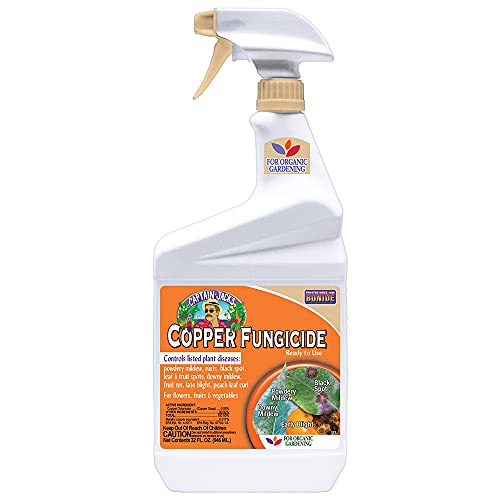
Control fungus and disease in your garden with Captain Jack’s ready-to-use Liquid Copper Fungicide!

KILLS LISTED FRUIT & CITRUS TREE INSECTS: Controls Asian Citrus Psyllid, Whiteflies, Aphids Thrips, Citrus Leafminers, Leafhoppers, Blackfly, Mealybugs, Scales, Avocado Lacebugs, Oriental Beetles, Flea Beetles, Sharpshooters, and Spittlebugs
Pests and Diseases
Pests and diseases often plague avocado trees. Common pests include:
- Avocado Lace Bug
This bug causes yellow spots on leaves. To combat it, use insecticidal soap or neem oil. - Spider Mites
These tiny pests create fine webs on the tree. Increase humidity around the tree or apply miticides to manage infestations. - Root Rot
This disease stems from overwatering or poor drainage. Ensure well-draining soil and avoid excess water to prevent root rot.
Regularly inspect your trees for signs of pests or disease. Early intervention can help safeguard your tree and improve fruit production.
Environmental Stressors
Environmental factors significantly impact fruit production. Key stressors include:
- Temperature Fluctuations
Extreme cold or heat can cause flower and fruit drop. Protect your avocado tree with mulch during cold spells and provide shade during heat waves. - Insufficient Sunlight
Avocado trees need at least 6 hours of sunlight daily for optimal growth. Prune surrounding vegetation to enhance light exposure. - Inconsistent Watering
Irregular watering can lead to stress. Water deeply and infrequently based on soil moisture to maintain even moisture levels.
By managing these environmental stressors, you can promote healthy growth and maximize your avocado tree’s fruit production capabilities.
Conclusion
With a little patience and the right care your avocado tree can reward you with delicious fruit. Remember to choose the right variety for your climate and ensure it gets plenty of sunlight and well-draining soil. Regular watering and fertilization will keep it strong and healthy.
Don’t forget about the importance of pollination whether through planting different types nearby or considering self-pollinating varieties. Keep an eye out for pests and environmental stressors that might hinder growth.
By following these tips you’ll be well on your way to enjoying fresh avocados straight from your own tree. Happy gardening!
Frequently Asked Questions
How long does it take for an avocado tree to bear fruit?
Avocado trees typically start bearing fruit 3 to 4 years after planting. However, younger trees may take longer to produce fruit, so it’s essential to provide regular care during the early years to encourage healthy growth.
What type of avocado tree should I plant?
Choosing the right avocado tree type depends on your local climate. Type A trees, like Hass, prefer cooler climates, while Type B trees, like Fuerte, thrive in warmer temperatures. Planting both types can enhance pollination and fruit production.
What are the ideal growing conditions for avocado trees?
Avocado trees thrive in well-draining soil with a pH of 6 to 7, at least 6 hours of sunlight daily, and temperatures between 60°F and 85°F. Consistent deep but infrequent watering will also promote healthy growth.
How can I improve the chances of my avocado tree producing fruit?
To enhance fruit production, focus on optimal growing conditions, proper watering and fertilization, and ensure cross-pollination by planting Type A and Type B trees together. Regular care, especially in the tree’s early years, is crucial.
What pests should I watch out for on my avocado tree?
Common pests include avocado lace bugs and spider mites. To manage these pests, you can use insecticidal soap and increase humidity around the tree. Monitor for signs of infestation to take action early.
How can I prevent root rot in my avocado tree?
To prevent root rot, ensure your avocado tree is planted in well-draining soil and avoid overwatering. Check the soil moisture regularly and water only when the top few inches feel dry.
What fertilization methods are best for avocado trees?
Use a balanced fertilizer with appropriate N-P-K ratios every 6 to 8 weeks during the growing season. This will help provide the necessary nutrients for your avocado tree’s healthy growth and fruit production.
Can avocado trees handle environmental stress?
Avocado trees can be sensitive to environmental stressors such as temperature fluctuations and insufficient sunlight. To promote healthy growth and maximize fruit yield, protect your trees from extreme weather and provide consistent care.
