

Growing orange trees in pots in Ohio is feasible with the right conditions and care. These trees can thrive indoors or on patios, provided you manage temperature, sunlight, and watering effectively.
Best Orange Tree Varieties for Ohio
Selecting the right orange tree variety is crucial for successful cultivation in Ohio’s unique climate. This section explores the best options that thrive in pots, ensuring that even in the Buckeye State, you can enjoy the beauty and bounty of homegrown oranges. Discover which varieties are most suited to your gardening needs and local conditions.
Choosing the appropriate orange tree variety is crucial for successful growth in Ohio’s climate. Look for varieties that adapt well to container gardening and can tolerate cooler temperatures. Popular choices include:
Calamondin Orange: A small, tart fruit ideal for cooking and garnishing.
Tangerine: Sweeter and easier to peel, making it a favorite for home growers.
Washington Navel: Known for its juicy, seedless fruits and easy care.
Consider the size of the tree at maturity. Dwarf varieties are often more suitable for pot growth.
Recommended Products
HIGH QUALITY SEEDS: Buy with confidence you are getting fresh seeds from Iowa, USA
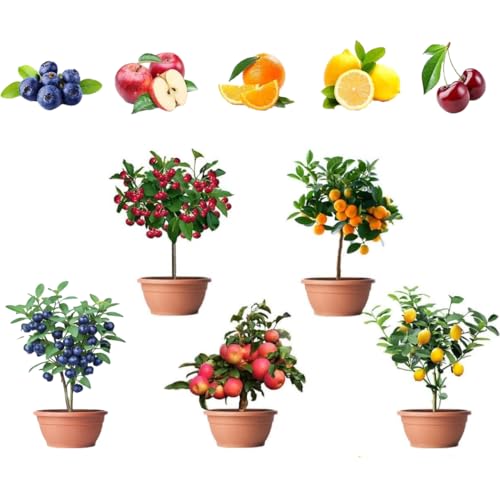
Variety Pack of 5 Fruits: Includes 40 Lemon seeds, 40 Orange seeds, 40 Apple seeds, 20 Cherry seeds, and 20 Blueberry seeds for a colorful and diverse home garden

Optimal Pot Conditions for Ohio Orange Trees
Growing orange trees in pots in Ohio requires careful attention to their environment. Understanding the optimal pot conditions is essential for ensuring healthy growth and fruit production, especially given the state’s unique climate challenges. This section will explore the best practices for potting and maintaining orange trees to thrive in the Buckeye State.
Orange trees require specific conditions to thrive in pots. Understanding these factors can enhance growth and fruit production. Key elements include:
Sunlight: Orange trees need at least 6-8 hours of direct sunlight daily. Place pots in a south-facing location.
Temperature: Ideal temperatures range from 60°F to 75°F. Protect trees from frost by bringing them indoors during cold snaps.
Soil: Use well-draining potting soil. A mix designed for citrus trees will provide the necessary nutrients.
Watering and Fertilizing Guidelines for Potted Oranges
Proper watering and fertilizing are crucial for the health of potted orange trees in Ohio’s unique climate. This section provides essential guidelines to ensure these trees receive the right amount of moisture and nutrients, promoting robust growth and fruit production. Understanding these practices will help you cultivate thriving orange trees in your home garden.
Proper watering and fertilizing are essential for healthy orange trees. Overwatering can lead to root rot, while under-watering can cause stress. Follow these guidelines:
Watering: Check the top inch of soil. Water when it feels dry. Ensure pots have drainage holes to prevent standing water.
Fertilizing: Use a balanced fertilizer specifically for citrus trees. Apply every 6-8 weeks during the growing season.
| Fertilizer Type | Application Rate | Frequency |
|---|---|---|
| Granular Citrus Fertilizer | 1 tablespoon per gallon of soil | Every 6 weeks |
| Liquid Fertilizer | Follow package instructions | Every 4-6 weeks |
Orange Tree Pest Control Techniques
Maintaining healthy orange trees in pots requires vigilance against pests that can threaten their growth, especially in Ohio’s unique climate. Understanding effective pest control techniques is essential for ensuring your trees thrive and produce fruit. This section will explore practical methods to manage and prevent pest infestations, helping you cultivate a flourishing orange tree garden.
Pests can pose a significant threat to orange trees. Regular monitoring and prompt action can prevent infestations. Common pests include:
Aphids: Small insects that suck sap. Use insecticidal soap to control them.
Spider Mites: Tiny pests that cause leaf discoloration. Increase humidity and use miticides if necessary.
Scale Insects: Look for raised bumps on leaves. Remove them manually or apply horticultural oil.
Recommended Products

READY-TO-USE CONTACT SPRAY: No mixing required. Thoroughly spray insecticide on all plant parts, including the underside of leaves. Pests must be sprayed directly to achieve control
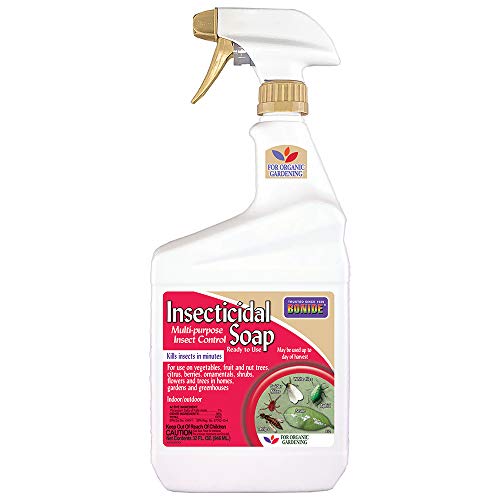
Captain Jack's Insecticidal Super Soap controls species of adelgid, ant, aphid, borer, caterpillar, spider mite, cricket, chinch bug, weevil, fly, thrip, and more

PEST DEFENSE - Insecticidal Super Soap controls species of adelgid, ant, aphid, borer, caterpillar, spider mite, cricket, chinch bug, weevil, fly, thrip, & more.
Pruning Methods for Pot-Grown Orange Trees
Pruning is essential for maintaining the health and productivity of pot-grown orange trees in Ohio’s unique climate. Proper techniques not only promote better fruit production but also enhance the tree’s overall shape and vigor. This section outlines effective pruning methods tailored specifically for orange trees cultivated in containers, ensuring optimal growth and fruiting potential.
Pruning is vital for maintaining the shape and health of orange trees. Proper techniques encourage new growth and improve air circulation. Consider these steps:
Timing: Prune during the dormant season, typically late winter or early spring.
Tools: Use sharp, clean pruning shears to avoid damaging the tree.
Method: Remove dead or crossing branches. Thin out crowded areas to improve light penetration.
Winter Protection Strategies for Potted Orange Trees
In Ohio’s colder months, protecting potted orange trees is essential for their survival and growth. This section outlines effective winter protection strategies that can help ensure these vibrant trees thrive despite the challenges of frost and freezing temperatures. By implementing the right techniques, you can maintain the health and productivity of your orange trees throughout the winter season.
Ohio winters can be harsh, requiring special care for potted orange trees. Protecting them from cold temperatures is essential for survival. Follow these steps:
Indoor Placement: Bring pots indoors when temperatures drop below 50°F. Place them near bright windows.
Humidity: Maintain humidity levels by misting the leaves or using a pebble tray with water.
Temperature Monitoring: Use a thermometer to ensure indoor temperatures remain stable.
Successful Harvest Strategies for Potted Oranges
Growing orange trees in pots can be a rewarding endeavor, especially in Ohio’s unique climate. To maximize your yield, understanding specific strategies for nurturing these citrus plants is essential. This section outlines effective techniques to ensure a successful harvest of potted oranges, tailored to the challenges and opportunities presented by the Buckeye State.
Growing orange trees in pots in Ohio is a rewarding endeavor with the right preparation and care. Monitor environmental conditions and be proactive in pest management. Following these guidelines will help ensure a fruitful harvest.
