

Have you ever wondered if you need two fig trees to enjoy fresh, delicious figs? You’re not alone. Many gardening enthusiasts face this question when planning their orchards. Fig trees are unique in their growing habits, and understanding their needs can make all the difference in your gardening success.
Key Takeaways
- Self-Pollination: Common fig trees (Ficus carica) do not require another tree for fruit production, allowing gardeners to enjoy figs from a single tree.
- Pollinator Dependency: Smyrna figs need specific pollinators (fig wasps) to produce fruit, necessitating both male and female trees for successful growth.
- Key Varieties: Understanding the differences among fig varieties is crucial; choose self-pollinating types for ease or plan for pollinator-dependent varieties if desired.
- Climate and Soil Importance: Fig trees thrive best in warm climates with well-draining soils; proper soil conditions and local climate can significantly impact fruiting success.
- Best Care Practices: Effective pruning, proper watering, and targeted fertilization are essential for optimizing fig tree health and maximizing fruit yield.
- Myth Busting: The belief that two fig trees are needed for fruit is a misconception; recognizing the unique needs of different fig varieties clarifies this.
Understanding Fig Trees
Fig trees represent a fascinating part of gardening. Knowing their characteristics and needs is essential for successful cultivation.
Recommended Products

🌇 live Chicago Hardy Fig tree 1 gallon is self-pollinating, comes with easy to use Fig food, and produces fresh Fig fruit every Year

💜 live LSU Purple Fig 3 gallon is self-pollinating, comes with easy to use Fig food, and produces fresh Fig fruit every Year
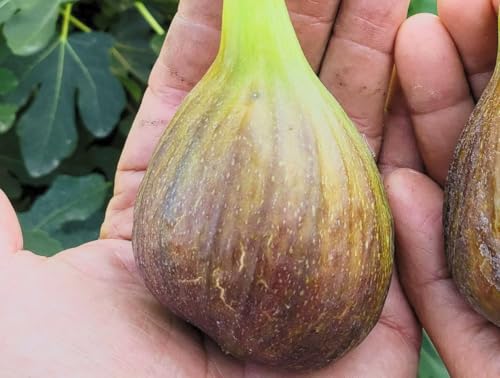
🍇 Large, Sweet Purple Figs – Tangerine-sized fruit with rich red-violet flesh.
Types of Fig Trees
Fig trees come in several types, each with unique traits and fruiting patterns. Key varieties include:
- Common Fig (Ficus carica): Most frequently grown for home gardens, it produces edible figs without needing pollination.
- Smyrna Fig: Requires pollination from a specific wasp to set fruit, making it less common for home gardeners.
- Caprifig: Not grown for fruit but used to pollinate Smyrna figs, highlighting an interesting relationship among varieties.
Choose a type that suits your gardening setup and climate. The common fig thrives in warmer regions, while others may require specific conditions.
Pollination of Fig Trees
Pollination plays a crucial role in fig production, but not all fig trees need it.
- Self-Pollinating Types: Common figs typically bear fruit without the help of pollinators. You can enjoy fresh figs without maintaining multiple trees.
- Pollinator-Dependent Types: Smyrna figs need pollination from wasps to produce fruit. Their dependence on specific conditions can complicate cultivation.
Understanding these distinctions helps you decide how many trees to plant. If growing self-pollinating trees, you only need one to start enjoying figs. For varieties requiring pollination, ensure a proper ecosystem exists to support fig wasps if you want fruit production.
The Myth of Two Fig Trees
Many believe that you need two fig trees to produce fruit. This misconception often comes from the pollination requirements of certain fig varieties. Understanding the differences in fig tree types clears up this myth.
Self-Pollinating Varieties
Self-pollinating fig trees, like the Common Fig (Ficus carica), can produce fruit without another tree nearby. You can find these trees thriving in home gardens, providing fresh figs with minimal effort. When blossoms develop, they can pollinate themselves, allowing a single tree to yield a tasty harvest. This feature simplifies fig cultivation, making self-pollinating types ideal for gardeners with limited space.
Cross-Pollination Requirements
Some fig varieties, such as the Smyrna Fig, require a specific type of pollination. These trees depend on the fig wasp to transfer pollen, meaning they often need both male and female trees to thrive. Without the wasp’s assistance, the figs may not develop properly. For successful growth of cross-pollinating figs, it’s essential to create an ecosystem that supports these wasps. This includes planting appropriate host trees and providing suitable environmental conditions. Understanding these needs is crucial for growers who want to enjoy the exceptional flavors of these unique fig types.
Factors Influencing Fig Production
Several factors affect fig production, including climate and soil quality. Understanding these elements helps ensure successful fruiting in your garden.
Recommended Products

Kindly NOTE: This soil tester can not be applied to test pH value of any other liquid. If the soil is too dry the indicator will not move, and water it before testing.

KNOW BEFORE YOU GROW | Grow the healthiest, sustainable lawn and garden with the most accurate and easy to use professional soil test kit on the market

【4 in 1 function】This is a 4-in-1 multifunctional soil tester.Our soil tester fastly to measure soil moisture, pH, temperature and sunlight to help you take better care of flowers and plants.You can know when you need to water your soil by measuring moisture and pH & Temperature value of the soil and sunlight level of plants with it.
Climate Considerations
Fig trees thrive best in warm climates with plenty of sunlight. Ideal temperatures range from 75°F to 100°F. If you live in a region with cold winters, select varieties like the Hardy Chicago Fig that can tolerate lower temperatures. Consider the length of the growing season, too; fruiting typically occurs in late summer to early fall. Areas with frost can hinder fruit development, so monitor local weather patterns to protect your trees. Use frost cloths or mulch to shield them during transient cold snaps.
Soil Quality
Soil quality significantly impacts fig tree health and fruit production. Fig trees prefer well-draining, loamy soils with a pH level between 6.0 and 6.5. Conduct a soil test to determine existing pH and nutrient levels. To improve drainage, incorporate organic matter like compost. For nutrient-poor soils, add balanced fertilizers rich in potassium, phosphorus, and nitrogen. Regularly check moisture levels; fig trees prefer consistently moist, but not waterlogged, soil. Adjust watering practices based on rainfall and growing conditions to maintain optimal soil moisture.
Best Practices for Fig Tree Cultivation
Growing fig trees requires attention to certain practices to ensure fruitful yields. Understanding proper care techniques leads to healthy growth and abundant fruit production.
Recommended Products

CLEAN CUTS FOR LIVE GROWTH: Bypass blade design is ideal for pruning delicate flower stems and green growth, helping reduce crushing and plant damage while cutting stems and small branches up to 5/8” in diameter

LONG-LASTING SHARPNESS: Japanese SK5 bypass blade with titanium coating is tested through 5,000 cuts to maintain a sharp edge and deliver clean, consistent cuts on live stems and branches

ULTRA SHARP - Much less effort to cut branches with our pruning shears. Crafted from premium SK5 steel with titanium coating, our garden scissors and garden clippers boast exceptional durability and sharpness. A perfect pruning shears for gardening and a must-have garden tool, hedge clippers pruners for gardening
Pruning Techniques
Pruning is essential for healthy fig trees. It helps shape the tree and encourages better fruit production.
- Timing: Prune during late winter or early spring before new growth begins.
- Tools: Use sharp, clean pruning shears to make precise cuts.
- Focus: Remove dead, damaged, or diseased branches first.
- Shape: Thin out crowded areas to improve airflow.
- Size: Cut back overly long branches to control height and promote bushier growth.
Regular pruning not only enhances fruiting but also maintains tree structure and health.
Watering and Fertilizing
Maintaining the right moisture and nutrients is crucial for fig trees. Proper watering and fertilizing practices support robust growth.
- Watering: Water deeply and infrequently. Aim for about 1 inch of water per week, adjusting based on rainfall. Avoid waterlogging, as fig trees prefer well-drained soil.
- Fertilizing: Fertilize in early spring with a balanced fertilizer, such as a 10-10-10 NPK mix. This promotes healthy foliage and enhances fruiting.
- Organic Options: Consider using compost or well-rotted manure for natural nutrients.
- Monitoring: Watch for signs of nutrient deficiency, like yellowing leaves, and adjust fertilization as necessary.
By implementing these watering and fertilizing strategies, you’ll promote thriving fig trees that yield delicious fruit.
Conclusion
You don’t need two fig trees to enjoy fresh figs in your garden. If you choose a self-pollinating variety like the Common Fig you’ll get delicious fruit from just one tree. Just make sure to provide the right conditions for growth including plenty of sunlight and well-draining soil.
If you’re intrigued by varieties that require pollination like the Smyrna Fig you’ll need to create a suitable environment for fig wasps. Whichever type you choose remember that proper care including watering and pruning will help your fig tree thrive. With a little effort you can enjoy a bountiful harvest of sweet figs right from your backyard. Happy gardening!
Frequently Asked Questions
Do I need two fig trees to get figs?
No, you do not need two fig trees to enjoy figs. Many fig varieties, like the Common Fig, are self-pollinating and can produce fruit on their own.
What is a self-pollinating fig tree?
A self-pollinating fig tree is capable of producing fruit without cross-pollination. The Common Fig is a prime example, making it suitable for home gardens.
What is a Smyrna Fig and how does it differ from self-pollinating varieties?
The Smyrna Fig requires pollination from specific fig wasps for fruit development. Unlike self-pollinating types, it won’t produce fruit without this external pollination.
What factors influence fig tree production?
Key factors include climate, with fig trees thriving in warm conditions, and soil quality, which should be well-draining and slightly acidic.
How should I care for my fig tree?
Care includes pruning during late winter or early spring, watering deeply but infrequently, and fertilizing with a balanced fertilizer in early spring.
