

Have you ever looked at your young fruit trees and wondered how to help them grow strong and healthy? Pruning might seem intimidating, but it’s a crucial step to ensure your trees thrive and produce delicious fruit.
Key Takeaways
- Understanding Young Fruit Trees: Proper care and management are crucial for the healthy growth of young fruit trees, which helps maximize their fruit production potential.
- Importance of Pruning: Pruning encourages a strong structure, improves air circulation, enhances sunlight exposure, and reduces disease risks, ultimately leading to better quality fruit.
- Optimal Pruning Timing: Pruning should be done in late winter or early spring while the tree is dormant to minimize stress and promote vigorous growth.
- Essential Tools: Use the right tools for effective pruning, including hand pruners, loppers, pruning saws, and safety gear, to ensure clean cuts and a safe working environment.
- Effective Pruning Steps: Assess the tree structure, focus on dead or damaged wood, thin crowded areas, and maintain height through targeted cuts to promote a balanced and healthy tree.
- Avoid Common Mistakes: Prevent over-pruning and understand the specific needs of different fruit tree species to ensure proper maintenance and optimal growth.
Understanding Young Fruit Trees
Young fruit trees require careful attention to promote healthy growth and maximize fruit production. Understanding their unique needs helps you manage their development effectively.
Importance of Pruning
Pruning young fruit trees encourages strong structure, improves air circulation, and enhances sunlight exposure. Proper pruning shapes the tree, allowing it to grow evenly and develop robust branches. Regular pruning removes unhealthy or crowded limbs, minimizing disease risk. For example, properly pruned apple trees produce larger, better-quality fruit due to improved nutrient distribution.
Timing for Pruning
Timing plays a crucial role in the success of pruning. Ideally, prune young fruit trees during late winter or early spring when they are dormant. This timing reduces stress and promotes vigorous growth as the trees awaken. For example, prune peach trees before new buds swell in early spring, ensuring a healthy start to the growing season. Avoid pruning in late summer or fall, as this can stimulate new growth that won’t harden off before winter.
Tools Needed for Pruning
Effective pruning requires the right tools. Using proper equipment ensures clean cuts and promotes healthy tree growth. Here’s a list of essential tools you’ll need for the job.
Recommended Products

★ 1. What you get: Professional convenient grafting tool set including a dual-use grafting pruner tool contain 2 extra replaceable blades, a wrench and a screwdriver, along with 36pcs wide rubber bands, 150 thick rubber bands and 1 grafting tape, packed in a black wallet to meet all your needs


Package Includes: Contents 1 Manual gardening grafting cutter and 2 rolls of 2 sizes of grafting tape, meeting your needs.
Essential Pruning Tools
- Hand Pruners: Ideal for small branches, these tools provide precision cuts. Look for bypass pruners that create less damage to the tree.
- Loppers: For thicker branches up to 1.5 inches in diameter, loppers with long handles give you extra leverage and reach.
- Pruning Saw: Use a pruning saw for larger branches. The curved blade allows for deeper cuts, reducing the risk of tearing.
- Pole Pruner: For high branches, a pole pruner with a saw and pruner attachment allows you to reach without a ladder.
- Shears: Select shears for shaping and trimming foliage. These are excellent for maintaining the tree’s overall appearance.
- Gloves: Durable gloves protect your hands from cuts and scrapes.
- Safety Glasses: Always wear safety glasses to shield your eyes from debris during pruning.
- Hard Hat: If you’re working under large branches, a hard hat offers protection from falling debris.
- Face Mask: Use a face mask if you’re pruning trees with sap or producing airborne particles, reducing inhalation risks.
Prioritize safety and efficiency by ensuring your tools are clean and sharp before starting. This preparation leads to better results and a more enjoyable pruning experience.
Steps to Prune Young Fruit Trees
Pruning young fruit trees is crucial for their health and productivity. Follow these steps to ensure effective pruning.
Recommended Products

Durable & Long-Lasting: Crafted from high-quality materials, these fruit tree branch pullers to withstand the rigors of outdoor use season after season. Resistant to rust, weathering, and wear, they provide consistent performance, becoming your go-to tools for maintaining your orchard year after year.


【Surgical-Precision Grafting Tools】 Crafted with Japanese SK5 High-Carbon Steel blades (HRC 58-60 hardness) and ergonomic ABS handles, our 2-in-1 pruner delivers clean cuts up to 1/2" diameter branches. Dual-edge Ω/U/V blades prevent stem crushing, boosting grafting success rates by 40%* (*lab test data).
Assessing the Tree Structure
Assess the overall structure of the tree before making any cuts. Check for the main trunk, scaffold branches, and overall height. Key considerations include:
- Central Leader: Aim for a strong central leader as the main trunk. It should be straight and healthy.
- Scaffold Branches: Look for 3 to 5 well-spaced scaffold branches. These branches support the tree’s framework and should be evenly distributed around the trunk.
- Branch Angles: Ensure scaffold branches grow at wide angles to the trunk, which increases strength and stability. Avoid branches that cross or compete with each other.
Taking the time to assess the structure helps you understand the tree’s growth pattern. Proper assessment sets the stage for effective pruning.
Making the First Cuts
Make your first cuts with precision to shape the tree without causing unnecessary damage. Follow these key steps:
- Focus on Dead or Damaged Wood: Start by removing any dead, damaged, or diseased branches. Cut back to healthy wood to promote new growth.
- Thin Crowded Areas: Identify overcrowded areas and thin out branches to improve airflow and sunlight exposure. Remove branches that compete with the central leader or scaffold branches.
- Shorten Long Shoots: Trim back long shoots to encourage bushier growth. Make cuts just above a healthy bud, angled slightly away from the bud to promote upward growth.
- Maintain Height: Control the tree’s height by trimming excess growth. Focus on branches that grow too high or too low to maintain a balanced shape.
Use sharp tools to make clean cuts, minimizing the risk of injury to the tree. Regularly step back to assess your work, ensuring an even and healthy structure as you prune.
Common Mistakes to Avoid
Pruning young fruit trees requires precision and care. Here are common mistakes to steer clear of when maintaining your trees.
Recommended Products

· ULTRA-SHARP SK5 STAINLESS STEEL - Engineered with premium SK5 stainless steel, these heavy duty pruning shears deliver razor-sharp precision and maximum hardness. The rust-resistant blades are designed to stay sharp longer, effortlessly resisting corrosion and sap buildup for smooth, friction-free garden shears performance year after year.

DUAL CUTTING POWER: VERSATILE PRUNING COMBO --- With both Pruning Shears and Pruning Snip, this combo delivers unmatched versatility. Whether you're delicately trimming flowers and shrubs, tackling thicker tree branches, or tending to your vegetable and fruit garden, our combo pack excels in all areas. They're also perfect for landscaping projects and maintaining the health and appearance of indoor plants. With this pack, you have a versatile tool that simplifies your gardening tasks.
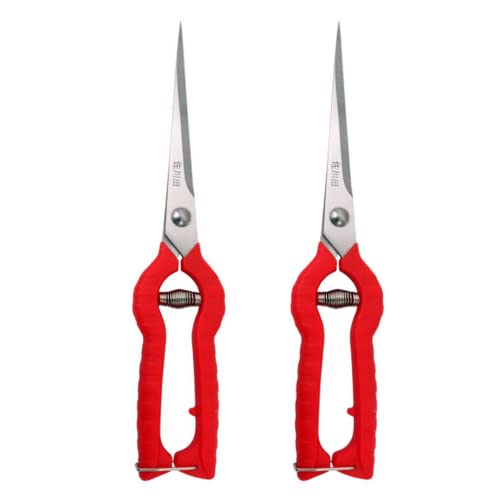
Total length : 245 mm blade length : 96 mm handle length : 122 mm closed handle width : 45 mm
Over-Pruning Issues
Over-pruning can harm your tree’s growth and development. When you remove more than 25% of a tree’s canopy in one season, it can lead to stress and stunted growth. Focus on making targeted cuts rather than stripping away too much foliage. Prioritize removing damaged, dead, or diseased branches first. This method allows healthy branches to thrive and promotes a balanced structure. Always assess the tree’s need for pruning before starting your cuts.
Ignoring Tree Type Specifics
Every fruit tree has unique pruning requirements based on its species. Each type adapts differently to pruning techniques. For example, apple trees often benefit from central leader forms, while peach trees thrive with an open center. Research specific pruning methods suited for your tree variety. Understanding the growth habits and flowering patterns helps you foster healthy fruit production. Tailoring your approach ensures maximum vitality and yields in your orchard.
Conclusion
Pruning your young fruit trees is a rewarding investment in their future. By taking the time to shape and care for them now you’re setting the stage for bountiful harvests down the line. Remember to approach each pruning session with patience and confidence.
Keep in mind the specific needs of your tree varieties and always prioritize clean cuts for optimal health. With the right tools and techniques you’ll not only enhance growth but also enjoy the beauty of well-maintained trees in your garden.
So grab your pruners and get started. Your trees will thank you with delicious fruit for years to come!
Frequently Asked Questions
Why is pruning important for young fruit trees?
Pruning young fruit trees is vital for their growth and health. It helps establish a strong structure, improves air circulation, enhances sunlight exposure, and encourages robust branch development. Proper pruning minimizes disease risks and ensures the tree produces more fruit.
When is the best time to prune fruit trees?
The best time to prune young fruit trees is during late winter or early spring when they are dormant. This timing helps reduce stress on the tree and promotes vigorous growth as it prepares for the growing season.
What tools are necessary for pruning fruit trees?
Essential tools for pruning fruit trees include hand pruners for small branches, loppers for thicker branches, a pruning saw for larger cuts, and a pole pruner for high branches. Safety gear like gloves and goggles is also crucial.
How do I start pruning my young fruit tree?
Begin by assessing the tree structure to identify a strong central leader and well-spaced scaffold branches. Remove any dead or damaged wood, thin crowded areas for better airflow, and shorten long shoots to encourage bushier growth.
What are common mistakes to avoid when pruning?
Avoid over-pruning by removing more than 25% of the canopy in one season, as this can harm growth. Additionally, consider the specific pruning needs of different fruit tree species to maximize healthy fruit production in your orchard.
