

Ever wondered how long it takes for a pecan tree to start producing those delicious nuts? If you’re thinking about planting one or just curious, you’re not alone. Many people dream of having their own pecan harvest but aren’t sure what to expect.
Pecan trees can be a rewarding addition to your garden, but patience is key. This article will break down the timeline for fruit production and share tips to help you nurture your tree along the way. You’ll gain insights that can make your journey to a bountiful harvest smoother and more enjoyable.
Key Takeaways
- Pecan trees typically take 5 to 7 years to produce nuts from seedlings, while grafted trees may yield in 4 to 5 years.
- Optimal pecan production occurs around 10 to 12 years after planting, with mature trees able to generate 50 to over 200 pounds of nuts annually.
- Pollination is essential for nut production; planting multiple varieties increases cross-pollination and enhances yield.
- Maintaining nutrient-rich, well-draining soil with a pH between 6 and 7 is crucial for tree health and productivity.
- Young pecan trees need consistent moisture, approximately 1 inch of water per week, especially during dry spells.
- Regular pruning improves air circulation and disease resistance, promoting better fruit production over time.
Understanding Pecan Trees
Pecan trees (Carya illinoinensis) are native to North America and thrive in USDA hardiness zones 6 to 9. These deciduous trees grow tall, reaching heights of 70 to 100 feet. They prefer well-draining soil and full sunlight, making them ideal candidates for southern gardens.
Growth Timeline
Pecan trees undergo several growth stages before producing nuts. Typically, seedling trees take 5 to 7 years to start yielding a modest crop. Grafted trees may produce quicker, often within 4 to 5 years. However, optimal production occurs around 10 to 12 years after planting.
Pollination Needs
Pollination plays a crucial role in fruit production. Pecan trees are mainly wind-pollinated and benefit from planting multiple varieties nearby. This increases chances of cross-pollination, enhancing nut yields. Consider planting at least two different varieties to ensure better pollination.
Nutritional Requirements
Nutrient-rich soil significantly influences pecan tree health and productivity. Regularly test your soil for pH and nutrient levels. Ideal soil pH ranges from 6 to 7. Fertilize with a balanced fertilizer in early spring for optimal growth.
Watering Practices
Proper watering ensures healthier growth. Young pecan trees require consistent moisture, especially during the first few years. Provide one inch of water per week, using drip irrigation if possible. This method conserves water and directly targets the roots.
Disease and Pest Management
Vigilantly check for common pests and diseases affecting pecan trees. Aphids, pecan weevil, and scab disease are notable threats. Implement integrated pest management (IPM) practices, such as introducing beneficial insects and using organic pesticides as needed.
Harvesting Tips
Timing your harvest is essential for peak flavor and quality. Pecan nuts typically mature in late fall, around October to December. You can tell it’s time to harvest when the outer husk begins to split. Collect fallen nuts promptly to prevent spoilage.
By understanding these key elements, you enhance your chances of growing a fruitful pecan tree and enjoying its delicious nuts for years to come.
Growth Stages of Pecan Trees
Pecan trees progress through various growth stages before they produce nuts. Understanding these stages helps you nurture your tree effectively.
Seedling Stage
Pecan trees begin their journey as seedlings. This stage lasts from planting until the tree reaches about 3 feet in height. Typically, this lasts around 1 to 2 years. During this period, focus on establishing a strong root system. Provide consistent moisture without overwatering. Fertilize lightly to encourage growth, but don’t overdo it, as too much nitrogen can harm seedling development.
Juvenile Stage
The juvenile stage marks a significant transition. This phase generally lasts from year 3 to year 5. Trees during this stage grow taller and develop a more robust canopy. You may start to see some flowers forming. Ensure adequate sunlight and water, while applying fertilizer every spring to support healthy growth. Pruning is also vital at this stage; remove any dead or crossing branches to promote better air circulation. With proper care, your tree might yield its first nuts towards the end of this stage.
Factors Affecting Fruit Production
Several factors impact the fruit production timeline of pecan trees. Understanding these variables helps you maximize your tree’s yield.
Recommended Products
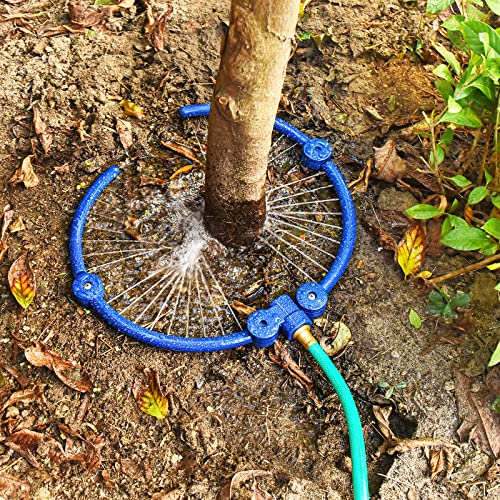
【Specially Designed for Trees and Shrubs】 The Watering Ring is a multi-purpose irrigation ring that attaches to a garden hose to efficiently water young trees shrubs vegetables or flower beds using drip or trickle irrigation.It directs water to the root perimeter of the plant to give them a good start during the first two growing seasons or through periods of drought.

【Unique Design Deep Root Tree Watering Tool】 Our root watering tool have four exit hole for the water,won't got clogged easily,It made of stainless steel,not rusting from the inside out.It can leave in the soil and is strong enough to drive through gravel,help your plants build a strong root system .

Let your landscape thrive with a Varomorus Deep Root Irrigation tool! Varomorus Irrigator is designed for all soil surfaces and helps your plants, trees, bushes and shrubs to build a healthy and strong root systems. It is a perfect addition for your lawn sprinklers for a beautiful, hydrated yard.
Tree Age
Age significantly influences when your pecan tree produces fruit. Seedlings typically take 5 to 7 years for a modest yield. Grafted trees produce faster, often within 4 to 5 years. Optimal production occurs around 10 to 12 years after planting. Prioritize proper care during these years to ensure healthy growth.
Environmental Conditions
Environmental factors also play a crucial role. Consider the following elements:
- Soil Type: Pecan trees thrive in deep, well-draining soils. Sandy loam offers the best conditions.
- Climate: Favorable climates include warm summers and well-defined winters. Trees may struggle in colder regions.
- Water Availability: Consistent watering is key, especially during drought periods. Irrigation systems can help maintain moisture levels.
- Sunlight: Full sun is essential. Aim for at least 6 hours of direct sunlight daily.
Monitoring these conditions helps create an optimal environment for your pecan tree, enhancing its potential for fruit production.
Typical Timeframe for Fruit Production
Pecan trees follow a distinct timeline for fruit production. Understanding this timeline helps you set expectations and make informed decisions while nurturing your tree.
Recommended Products

For sale are 2 Pecan Trees that are approximately 6-12" tall and shipped in quart pots

🥜 Produces Delicious Homegrown Pecans Grow your own fresh, flavorful pecans right at home—perfect for baking, snacking, and cooking.
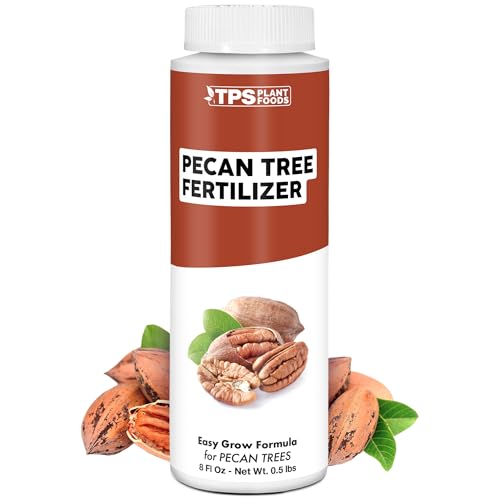
Supports Nut Production & Growth – Helps promote consistent nut development and healthy foliage throughout the growing season.
First Harvest
Seedling pecan trees generally yield their first modest crop between 5 to 7 years after planting. Grafted trees can produce nuts even sooner, typically within 4 to 5 years. The quality and quantity of nuts often improve as the tree matures. It’s wise to remember that various factors, including care and environmental conditions, influence early harvests. For example, watering during dry spells and ensuring proper sunlight exposure can enhance early nut production.
Mature Tree Production
Once pecan trees reach full maturity, usually around 10 to 12 years post-planting, they produce significantly larger yields. An established tree can generate anywhere from 50 to over 200 pounds of nuts annually, depending on its variety and health. To maximize production, plant multiple tree varieties to support cross-pollination, ensuring a bountiful harvest. Regular maintenance practices, such as controlled pruning and adequate soil nutrient management, also play a crucial role in sustaining high yields well into the tree’s lifespan.
Maintenance Tips for Pecan Trees
Maintaining pecan trees requires attention to soil, watering, and pruning to ensure healthy growth and fruit production.
Recommended Products

Accurate Soil Moisture Detection: The XLUX Soil Moisture Meter can tell you if the soil deep inside your pot or garden is dry, moist or wet; whereas your eyes and fingers can only determine the moisture level of the soil surface. The probe is 5.5 inches (14 cm) longer than regular styles, allowing it to measure the soil moisture at the bottom of larger and deeper flower pots.

Trusted Since 2015: Become one of the many plant lovers who rely on the proven accuracy of XLUX. Established in 2015, our soil moisture meter has earned over 60,000+ verified ratings for its consistent performance. While many many newer brands come and go, we provide the long-term reliability and quality that American households have trusted for over a decade.

Kindly NOTE: This soil tester can not be applied to test pH value of any other liquid. If the soil is too dry the indicator will not move, and water it before testing.
Soil and Watering Needs
Pecan trees thrive in deep, well-draining soils rich in organic matter. Aim for a soil pH between 6.0 and 7.0 for optimal absorption of nutrients. Conduct a soil test before planting to determine nutrient levels and needed amendments.
Watering is crucial, especially for young trees. Provide consistent moisture during the first few years. Aim for about 1 inch of water per week, either through rainfall or irrigation. During hot and dry periods, increase watering frequency and depth to help develop deep roots.
Ensure the soil drains well; avoid soggy conditions that can harm the roots. Mulching around the base of the tree helps retain moisture and suppress weeds. Use organic materials like wood chips or straw, spreading a layer 3 inches thick.
Pruning Practices
Pruning pecan trees enhances air circulation, reduces disease risk, and promotes fruit production. Start pruning when trees are young; remove dead or crossing branches for better structure.
During the dormant season, typically late winter, prune to shape the tree and maintain a central leader. Cut back lateral branches to encourage upward growth. Aim to create an open canopy for sunlight penetration, which helps fruit development.
Avoid heavy pruning in mature trees; instead, focus on maintaining shape and removing any dead limbs. Limit pruning to about 20% of the tree’s canopy each year.
Consider doing light pruning after harvest to prepare for the next season. Regular maintenance keeps trees healthy and ensures better nut yields as they mature.
Conclusion
Growing pecan trees can be a rewarding journey filled with anticipation. With the right care and patience you’ll soon enjoy the fruits of your labor. Remember that while seedling trees take around 5 to 7 years to produce their first nuts grafted varieties can surprise you with a harvest in just 4 to 5 years.
As you nurture your trees through their growth stages focus on proper watering pruning and soil management to set the stage for a bountiful yield. By planting multiple varieties you’ll also enhance your chances of a successful nut harvest. So keep nurturing those trees and look forward to the delicious pecans that await you!
Frequently Asked Questions
How long does it take for pecan trees to produce nuts?
Pecan trees typically start producing nuts within 4 to 7 years after planting. Grafted trees may yield nuts in 4 to 5 years, while seedling trees generally take 5 to 7 years. However, peak production usually occurs around 10 to 12 years after planting.
What type of soil is best for pecan trees?
Pecan trees thrive in deep, well-draining soils rich in organic matter. The ideal soil pH should be between 6.0 and 7.0. Conducting a soil test can help tailor the nutritional needs for healthy growth.
Do I need more than one pecan tree for successful pollination?
Yes, planting multiple varieties of pecan trees is recommended for better pollination. Cross-pollination enhances nut yields and increases the quality of the harvest.
What are the watering requirements for young pecan trees?
Young pecan trees require consistent moisture, ideally about 1 inch of water per week. Mulching can help retain moisture and control weeds, which is beneficial for their growth.
How should I prune pecan trees for optimal growth?
Pruning should be done when trees are young, focusing on shaping during the dormant season. Regular maintenance pruning after harvest helps enhance air circulation and reduces disease risk, promoting healthier trees and better nut yields.
