

Have you ever wondered if your fruit trees need watering? You’re not alone. Many gardeners face this question, especially when the weather gets hot and dry. It can be tricky to know just how much water your trees really need to thrive.
Key Takeaways
- Watering Importance: Adequate watering is essential for the growth, productivity, and overall health of fruit trees, especially in hot and dry conditions.
- Growth and Yield: Well-watered trees support strong root development and produce higher fruit yields, contributing to better harvest quality.
- Disease Resistance: Consistent watering promotes healthy foliage, which enhances disease resistance and pest management.
- Soil and Environmental Factors: Soil type, climate, and the age of the trees significantly influence their watering needs, requiring tailored irrigation strategies.
- Effective Watering Techniques: Utilize methods such as soaker hoses, drip irrigation, and mulching to optimize water delivery and retention.
- Signs of Water Stress: Monitor for indicators like wilting leaves, soil cracks, and discoloration to determine when fruit trees need watering.
Importance Of Watering Fruit Trees
Watering fruit trees is crucial for their growth and productivity. Proper watering ensures that trees receive the moisture they need to thrive, especially during hot and dry weather.
Recommended Products
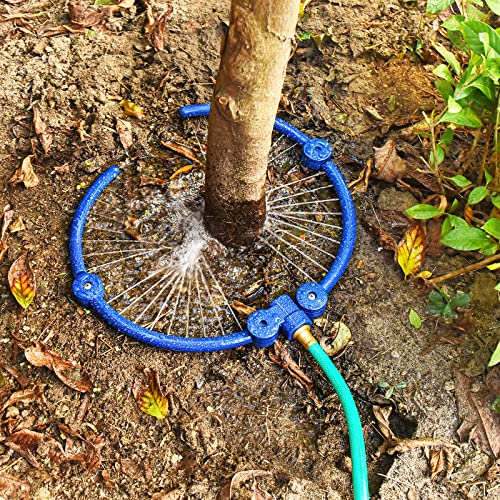
【Specially Designed for Trees and Shrubs】 The Watering Ring is a multi-purpose irrigation ring that attaches to a garden hose to efficiently water young trees shrubs vegetables or flower beds using drip or trickle irrigation.It directs water to the root perimeter of the plant to give them a good start during the first two growing seasons or through periods of drought.
Slowly waters the soil around your plants for complete root zone hydration; Ideal for short runs on flat surfaces, such as vegetable gardens, borders, and around small plants

【Unique Design Deep Root Tree Watering Tool】 Our root watering tool have four exit hole for the water,won't got clogged easily,It made of stainless steel,not rusting from the inside out.It can leave in the soil and is strong enough to drive through gravel,help your plants build a strong root system .
Benefits Of Adequate Watering
- Promotes Healthy Growth
Adequate watering supports root development. Strong roots anchor trees in the soil and enable them to absorb nutrients. - Enhances Fruit Production
Sufficient moisture directly impacts fruit yield. Well-watered trees produce more fruit, which is vital for your harvest. - Increases Disease Resistance
Consistent watering helps maintain healthy foliage. Healthy leaves can better fend off pests and diseases. - Improves Soil Quality
Watering helps maintain soil structure. Good soil composition supports better drainage and nutrient retention.
- Stunted Growth
Insufficient water causes trees to struggle. You’ll notice slower growth rates and smaller leaves. - Poor Fruit Quality
Underwatered trees yield less fruit, and the fruit may lack flavor or size. This can impact your harvest’s overall quality. - Increased Stress
Stressed trees are more susceptible to diseases and pests. You might find more infestations or infections in struggling trees. - Root Damage
In extreme cases, lack of water can lead to root death. This severely affects a tree’s ability to absorb nutrients.
Understanding the importance of watering helps you keep your fruit trees healthy and productive.
Factors Affecting Watering Needs
Several factors influence how much water your fruit trees need. Understanding these elements helps ensure your trees stay healthy and productive.
Soil Type
Soil type significantly impacts water retention and drainage. Sandy soils drain quickly, leading to faster drying out, which means more frequent watering. Clay soils hold moisture longer but may not drain well, risking root rot if overwatered. Loamy soils, ideal for fruit trees, balance drainage and moisture retention. Test your soil texture to adjust your watering routine accordingly.
Climate Considerations
Climate plays a crucial role in determining watering needs. Warmer climates with low humidity require more watering, especially in summer. Conversely, cooler, wetter climates may decrease watering frequency. Monitor rainfall and temperature patterns. If your region experiences prolonged dry spells, increase your watering sessions to sustain healthy growth.
Tree Age and Growth Stage
Tree age and growth stage affect water requirements too. Young trees, especially those newly planted, often need more frequent watering to establish roots. Mature trees require less frequent watering but still need adequate moisture, particularly during flowering and fruit-setting stages. Assess your trees regularly, paying attention to their growth stage and adjusting water accordingly.
Best Practices For Watering Fruit Trees
Watering fruit trees effectively ensures their health and productivity. Follow these best practices to optimize your watering routine.
Recommended Products

GENTLE WATERING: Disperses water into a soft, even flow to protect delicate plants, seedlings, and soil from erosion and washout

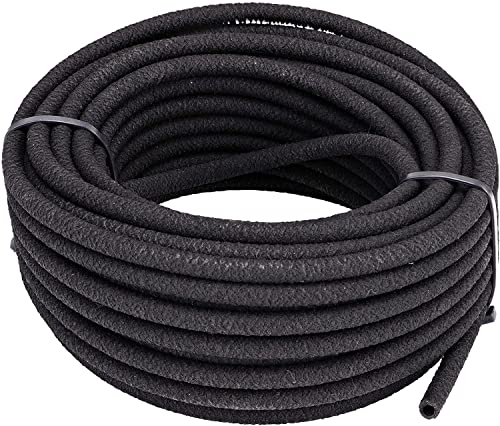
【Even & Consistent Root Watering】Features micro-pore seepage technology that distributes water evenly along the entire hose, transforming spot watering into uniform line watering directly to plant roots. Unlike traditional drip irrigation systems with clog-prone emitters, this soaker hose creates a continuous moisture band for healthier, deeper-rooted plants

Consistent & Even Watering Drip Irrigation Hose: Makes use of a clog-resistant fabric cover recyceld vinyl for consistent slow soaking seep throughout its entire length. Deliver water to the entire area that it covers. Only certain areas of your garden bed getting watered.For waste-free watering in garden beds and other tight spaces. Waters the base of the plants so less water-related leaf damage.
Watering Techniques
- Soaker Hoses: Use soaker hoses to deliver water directly to the root zone. This method minimizes evaporation and targets the trees’ most critical area.
- Drip Irrigation: Implementing a drip irrigation system allows for precise control over water application. You can set timers to water at optimal times of day.
- Hand Watering: For small orchards or individual trees, hand watering can be effective. Aim to water deeply and evenly around the tree to encourage deep root growth.
- Mulching: Apply organic mulch around the base of your trees. This technique retains moisture, reduces weed competition, and moderates soil temperature.
- Young Trees: Water young trees once or twice a week, depending on rainfall and soil type. Ensure the soil stays consistently moist but not waterlogged.
- Mature Trees: Mature trees typically require less frequent watering, around every 10-14 days. Adjust based on soil moisture and weather conditions.
- Growing Season: Increase watering frequency during the growing season, particularly when temperatures exceed 85°F. Monitor moisture levels closely during fruit development.
- Dormant Season: In winter, reduce watering needs. Ensure the soil stays slightly moist to prevent dehydration but avoid overwatering, as trees enter dormancy.
By following these techniques and frequency guidelines, you can support the health of your fruit trees while maximizing their fruit yield.
Signs Your Fruit Trees Need Water
You can identify when your fruit trees require watering by observing specific signs. These indications help maintain your trees’ health and productivity.
Recommended Products

Accurate Soil Moisture Detection: The XLUX Soil Moisture Meter can tell you if the soil deep inside your pot or garden is dry, moist or wet; whereas your eyes and fingers can only determine the moisture level of the soil surface. The probe is 5.5 inches (14 cm) longer than regular styles, allowing it to measure the soil moisture at the bottom of larger and deeper flower pots.

Accurate Soil Moisture Detection: The XLUX Soil Moisture Meter can tell you if the soil deep inside your pot or garden is dry, moist or wet; whereas your eyes and fingers can only determine the moisture level of the soil surface. The probe is 5.5 inches (14 cm) longer than regular styles, allowing it to measure the soil moisture at the bottom of larger and deeper flower pots.

Kindly NOTE: This soil tester can not be applied to test pH value of any other liquid. If the soil is too dry the indicator will not move, and water it before testing.
Leaf Symptoms
- Wilting Leaves: Leaves droop or curl when trees lack water, losing their firmness.
- Discoloration: Yellowing leaves may signify drought stress; nutrients can’t move efficiently in dry soil.
- Brown Edges: Leaf tips turning brown often indicate insufficient moisture, especially in hot weather.
- Early Leaf Drop: Trees shedding leaves prematurely usually seek to conserve moisture in times of stress.
- Cracked Soil: Soil developing cracks shows extreme dryness; it’s a clear sign that trees need watering.
- Dusty Soil Surface: Dry, powdery soil indicates low moisture levels; check deeper layers for moisture.
- Lack of Moisture Retention: Soil that quickly dries out signals insufficient watering. Regular checks can help determine this.
- Soft, Soggy Soil: While not a direct sign of needing water, overly moist or waterlogged soil can hint at overwatering. Balance is essential for healthy roots.
Monitoring these signs helps you address your fruit trees’ hydration needs effectively. Abiding by these indicators, you can adjust your watering routine to promote robust growth and fruitful yields.
Conclusion
Taking care of your fruit trees’ watering needs is essential for their overall health and productivity. By understanding the factors that influence how much water they require you can tailor your approach to ensure they thrive.
Keep an eye on the signs your trees give you and adjust your watering routine accordingly. With a little attention and the right techniques you can enjoy a bountiful harvest and vibrant trees for years to come. Happy gardening!
Frequently Asked Questions
Do fruit trees need watering during hot weather?
Yes, fruit trees typically require more watering during hot and dry weather to support their growth and fruit production. It’s important to adjust your watering routine based on climate conditions to ensure the trees stay healthy.
How can I tell when my fruit trees need water?
Signs that your fruit trees need water include wilting leaves, discoloration, and early leaf drop. Additionally, check for cracked soil and a dusty surface, which indicate drought stress.
What factors influence the watering needs of fruit trees?
Several factors impact the watering needs of fruit trees, including soil type, climate, and the age of the trees. Sandy soils drain quickly and need more frequent watering, while clay retains moisture longer.
How often should I water young fruit trees?
Young fruit trees should typically be watered once or twice a week, allowing the soil to dry slightly between waterings. This helps establish a strong root system for healthy growth.
What are the best watering practices for fruit trees?
Effective watering practices include using soaker hoses or drip irrigation to deliver water directly to roots, hand watering for small orchards, and applying organic mulch to retain soil moisture.
How does soil type affect fruit tree watering?
Soil type significantly influences watering needs. Sandy soils require more frequent watering due to quick drainage, while clay soils retain water longer but must be monitored to prevent root rot.
When is the best time to water fruit trees?
Water fruit trees early in the morning or late in the afternoon to reduce evaporation. During hot days, aim for cooler hours to help the trees absorb moisture effectively.
What should I do if my fruit trees are overwatered?
If your fruit trees are overwatered, allow the soil to dry out. Check for signs of root rot, such as soft, mushy roots. Adjust your watering schedule accordingly to prevent further damage.
