

Have you ever wondered when those beautiful cherry trees finally bear fruit? If you’ve planted one in your yard or just enjoy their blossoms in spring, knowing when to expect cherries can be exciting.
Key Takeaways
- Types of Cherry Trees: Sweet and sour cherry trees thrive in different climates; sweet cherries require pollination, while sour cherries can self-pollinate.
- Growth Stages: Cherry trees undergo germination, sapling growth, maturity, and fruit development; expect fruit production around 2-4 months after flowering.
- Influencing Factors: Temperature, soil quality, and nutrient levels are crucial for healthy cherry fruit production, requiring optimal conditions for successful yields.
- Blooming Periods: Cherry trees typically bloom in mid-spring (April to May), with sweet cherries maturing later than sour cherries, impacting harvest times.
- Harvesting Techniques: Recognize ripeness by color, firmness, and ease of detachment; use hand picking or specialized tools for an efficient harvest while minimizing damage.
- Optimal Conditions: Ensure cherries receive at least six hours of sunlight, maintain well-draining soil with proper pH, and provide consistent moisture for healthy development.
Understanding Cherry Trees
Cherry trees delight many with their beautiful blooms, and understanding their growth is key to anticipating fruit production.
Recommended Products
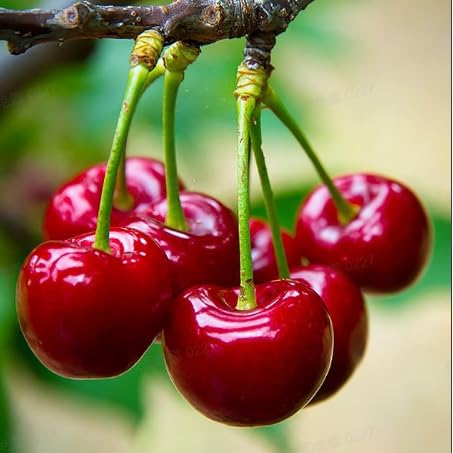
Basic Seed Attributes & Planting Scenarios: 20 Pcs Cherry Tree Seeds, non-GMO heirloom variety, with sweet and tender juicy fruits, suitable for home garden cultivation, and can be planted both indoors and outdoors.

Seed Cherry Tree Fruit Tree Seed for Planting Outdoor-Non-GMO Heirloom Sweet Juicy Fruits Plant in Your Home Garden
Types of Cherry Trees
You can find two main types of cherry trees: sweet and sour.
- Sweet Cherry Trees (Prunus avium): Known for their large, juicy cherries, these trees thrive in warmer climates and require pollination from another sweet cherry variety.
- Sour Cherry Trees (Prunus cerasus): Often smaller and tart, sour cherries do well in cooler regions and can self-pollinate, making them easier to grow for beginners.
Select the right type based on your climate and desired fruit flavor.
Growth Stages of Cherry Trees
Cherry trees progress through several stages before producing fruit:
- Germination: Seeds sprout in spring. It takes about 14-30 days after planting for seeds to germinate.
- Sapling Stage: Young trees develop leaves and roots, requiring care and regular watering. This stage lasts around 1-3 years.
- Maturity: Trees reach full height and produce blossoms in spring, typically around 3-5 years after planting.
- Fruit Development: After flowering, cherries develop over several weeks. Expect to harvest ripe fruit around 2-4 months post-pollination.
Proper care through these stages ensures healthy growth and fruit production.
Factors Influencing Fruit Production
Several factors influence the fruit production of cherry trees. Understanding these elements helps you cultivate healthy trees and anticipate fruitful yields.
Recommended Products

Accurate Soil pH Testing: Dewildetradingco Soil pH Test Strips offer measurements of soil pH levels (pH 3.5-9). As an essential tool for every gardener and grower, these test strips help determine the optimal pH for various plants, such as outdoor plants, indoor plants, gardens, grass lawns, fruit trees, flowers, vegetables, and forest shrubs.

Kindly NOTE: This soil tester can not be applied to test pH value of any other liquid. If the soil is too dry the indicator will not move, and water it before testing.

KNOW BEFORE YOU GROW | Grow the healthiest, sustainable lawn and garden with the most accurate and easy to use professional soil test kit on the market
Climate and Weather Conditions
Climate significantly affects cherry tree fruiting. Cherry trees thrive in temperate climates with distinct seasons. The ideal temperature range for growth is between 70°F and 75°F during the day and 30°F to 40°F at night.
Frost poses a risk during the blooming phase. Late frosts can damage blossoms, leading to poor fruit set. Regular monitoring of local weather patterns can aid in protecting young trees. Providing frost cover, like cloths or plastic, may help during unexpected cold snaps.
Soil Quality and Nutrition
Soil quality impacts cherry tree health and productivity. Well-draining soil with a pH level between 6.0 and 7.0 promotes optimal growth. Conduct a soil test to determine nutrient levels.
Nutrient-rich soil supports robust growth and fruiting. Incorporate organic matter, such as compost or well-rotted manure, to enhance soil quality. Regular fertilization during the growing season supplies essential nutrients, including nitrogen and potassium, to boost fruit development.
When Cherry Trees Produce Fruit
Cherry trees produce fruit based on specific blooming cycles and optimal environmental conditions. Understanding these factors can help you better anticipate when to expect cherries.
Typical Blooming Periods
Cherry trees typically bloom in mid-spring, around April to May, depending on the variety and local climate. Sweet cherry trees might bloom later than sour cherry trees, sometimes extending the harvest period. After the bloom, small green cherries begin to develop. These green fruits usually mature within 70 to 90 days, turning vibrant colors as they ripen. In warmer areas, you might see fruit ready for picking as early as late June, while cooler climates may push the harvest to late July or early August.
Optimal Conditions for Fruit Development
Optimal conditions for fruit development include proper sunlight, soil quality, and moisture. Cherry trees flourish in full sunlight, requiring at least six hours of direct sunlight daily. Soil should be well-draining, maintaining a pH between 6.0 and 7.0. Regular soil testing helps ensure these conditions are met.
Additionally, maintaining consistent moisture helps cherries thrive. Water deeply during dry spells, but avoid overwatering, which leads to root rot. For added protection, applying a layer of mulch aids in moisture retention and temperature regulation. By understanding these optimal conditions, you support the healthy growth and fruitful yield of your cherry trees.
Harvesting Cherry Fruit
The excitement of harvesting cherry fruit arrives once the cherries reach their ripeness. Understanding the signs of ripeness and employing the right techniques ensures a successful harvest.
Recommended Products

Elevate your kitchen decor with this vibrant Ceramic Berry Basket, featuring a delightful vintage style that adds a pop of color and charm.

【Eco-Friendly And Effective】Blueberry picker scoop with unique metallic comb, which collects the berries without crushing them or pulling leaves off the plant and keeps your hands safe from any thorns or sharp branches

🍎【13.8 FT Telescoping Fruit Picker Pole, Reach High Fruits Safely】 Harvest fruits from tall trees without climbing ladders. The adjustable telescoping fruit picker pole extends up to 13.8 feet, allowing you to easily reach high branches and pick apples, mangoes, oranges, and other tree fruits safely.
Signs of Ripeness
You can identify ripe cherries by observing their color and firmness.
- Color: Sweet cherries display a deep red hue when ripe. Sour cherries, on the other hand, appear bright red or yellowish tinge.
- Firmness: Ripe cherries feel firm but yield slightly to pressure.
- Ease of Detachment: When gently pulled, ripe cherries come off the stem easily.
- Taste: Tasting a cherry can also confirm its ripeness—ideal cherries have a sweet or tart flavor depending on the type.
Different Harvesting Techniques
You can maximize your cherry harvest using various techniques.
- Hand Picking: Use your fingers to gently pull cherries from the stem. This method helps minimize bruising and ensures you only pick ripe fruit.
- Cherry Harvesters: Handheld harvesters with small baskets make it easy to collect multiple cherries simultaneously while preventing damage.
- Pole Harvesting: For higher branches, consider using a pole with a basket to reach cherries without climbing.
- Timing: Harvest early in the morning or late in the evening when temperatures cool. This reduces stress on the fruit and preserves quality.
By recognizing the signs of ripeness and using effective harvesting techniques, you enhance the experience of gathering cherry fruit.
Conclusion
Watching your cherry trees grow and anticipating their fruit is a rewarding experience. With the right care and understanding of their needs you can enjoy the beauty of blossoms and the joy of harvesting delicious cherries. Remember to keep an eye on weather conditions and provide the necessary nutrients for your trees to thrive.
As you prepare for the harvest take note of the signs of ripeness. Whether you’re picking sweet or sour cherries the satisfaction of gathering your own fruit is unmatched. So get ready for that delightful moment when you can finally enjoy the fruits of your labor. Happy cherry growing!
Frequently Asked Questions
How long does it take for cherry trees to bear fruit?
Once cherry trees are planted, they typically start to bear fruit in 3 to 7 years, depending on the variety and care provided. Sour cherry trees may fruit sooner than sweet cherries.
What factors affect cherry tree fruit production?
Several factors influence cherry fruit production, including climate, soil quality, and weather conditions. Proper care, such as adequate watering, fertilization, and protection from late frosts, is crucial for healthy yield.
What are the two main types of cherry trees?
The two main types of cherry trees are sweet cherry trees, which require cross-pollination and thrive in warmer climates, and sour cherry trees, which are smaller, self-pollinating, and simpler for beginners to grow.
When do cherry trees bloom?
Cherry trees generally bloom in mid-spring, between April and May. Sweet cherry trees often bloom later than sour varieties, impacting the timing of fruit development and harvest.
How do I know when cherries are ripe?
Ripe cherries can be identified by their deep color, firmness, ease of detachment from the stem, and sweet flavor. Harvesting at the right time ensures the best taste and quality.
What are the best growing conditions for cherry trees?
Cherry trees thrive in full sunlight, well-draining soil with a pH between 6.0 and 7.0, and consistent moisture. Regular soil testing and mulching can support healthy growth and fruit production.
What methods can I use for harvesting cherries?
Cherries can be harvested by hand-picking, using cherry harvesters, or pole harvesting for higher branches. Timing is important to maintain fruit quality, so aim to pick when cherries are fully ripe.
