

Have you ever wondered when your fruit trees will burst into bloom? It’s a question many gardeners ask as they wait eagerly for the vibrant colors and sweet scents of spring. Knowing the right time can help you plan your gardening tasks and ensure you get the best yield from your trees.
Key Takeaways
- Bloom Timing Matters: The timing of fruit tree blooms is crucial for successful fruit set and overall yield, influencing tasks like pruning and pest control.
- Factors Influencing Blooming: Key factors include tree species variety, climate conditions, soil quality, and the age and health of the trees, all of which can affect bloom times.
- Common Bloom Periods: Different fruit trees bloom at specific times: early bloomers (e.g., cherry, peach) in late winter to early spring; mid-season bloomers (e.g., apple, pear) in April to May; and late bloomers (e.g., fig, persimmon) from late spring to early summer.
- Climate and Geography Impact: Geography and temperature significantly influence when fruit trees bloom, with northern regions experiencing later blooms compared to southern areas.
- Effective Gardening Practices: Implement proper pruning techniques, maintain soil health, and ensure consistent watering to promote fuller blooms and enhance fruit production.
- Protection from Frost: Early-blooming trees may require protective measures against frost to prevent bloom damage during unexpected cold snaps.
Understanding Fruit Tree Blooming
After planting fruit trees, you await their beautiful blooms in spring. Understanding when these trees bloom helps you plan effectively for optimal growth and harvest.
Importance of Bloom Time
Bloom time impacts fruit set and overall yield. Trees that bloom too early may suffer from frost damage, while late bloomers can miss ideal pollination conditions. This timeline affects not just your trees but your entire gardening schedule. Knowing when to expect blooms allows for better management of tasks like pruning and pest control.
Factors Influencing Blooming
Several factors influence when fruit trees bloom, including:
- Species Variety: Different fruit trees bloom at various times, so knowing your specific tree’s variety matters. For instance, apple trees often bloom in mid to late spring, while cherry trees can bloom earlier.
- Climate Conditions: Temperature fluctuations affect blooming. Warmer winters can lead to earlier blooms, while a cold snap can delay them.
- Soil Quality: Healthy soil encourages strong growth. Well-nourished trees are more likely to bloom on schedule.
- Tree Age and Health: Younger trees may take longer to produce blooms. Healthy trees robustly bloom each year, while stressed or unhealthy trees can struggle.
Understanding these factors allows you to take proactive steps in your gardening routine, aiding the success of your fruit trees.
Common Fruit Trees and Their Bloom Times
Understanding the bloom times of common fruit trees helps you plan gardening tasks effectively. Below are key categories of fruit trees based on their blooming periods.
Recommended Products

Let our professionally formulated plant food help your fruit tree grow healthy, strong AND abundantly producing


1. Plenty of Space:Plenty of room for any type of fruits and vegetables, the 6x9 inch fruit netting bags are big enough for protecting many kind of fruits, vegetables, flower from pest, birds and don’t restrict their growth. The drawstring mesh fruit protectors with double pulls that do make them easier to install and remove versus the single pull type. And the pest barrier bags will stay secure without gap on the top once closed.
Early Blooming Trees
Early bloomers typically flower from late winter to early spring. Some examples include:
- Cherry Trees: Bloom from March to early April, displaying vibrant pink or white flowers.
- Peach Trees: Flower in late March to April, producing stunning pink blossoms that indicate warmer weather.
- Plum Trees: Usually bloom around March, with white or light pink flowers that signal the start of spring.
These trees face frost risks, so protection may be necessary if temperatures drop unexpectedly.
Mid-Season Blooming Trees
Mid-season bloomers exhibit blooms from April to May. Notable examples include:
- Apple Trees: Begin blooming in April and often continue into May. They showcase white to pink flowers that attract pollinators.
- Apricot Trees: Flower in April with delicate pink blooms, crucial for fruit development.
- Pear Trees: Commonly bloom in April, featuring clusters of white flowers that are both fragrant and attractive to bees.
These trees often enjoy optimal pollination conditions, which positively impacts fruit set.
Late Blooming Trees
Late bloomers flower from late spring to early summer. Examples include:
- Fig Trees: Typically start blooming in late May. Their unique flowers develop into delicious figs.
- Persimmon Trees: Bloom in June, producing small, bell-shaped flowers that later mature into the sweet fruit.
- Walnut Trees: Bloom in May to June, showcasing inconspicuous flowers that produce nuts later in the season.
These trees minimize frost damage risks due to their later bloom time, allowing for a more stable growing environment.
Knowing these bloom times allows you to enhance your gardening practices, ensuring successful fruit production.
Climate and Geographic Impact
Understanding the influence of climate and geography on fruit tree blooming helps optimize your gardening practices. Various factors affect when and how your trees flower.
Recommended Products

Revolutionary Anti-freeze Protection: Plant covers freeze protection is made of 100% Reliable non-woven thickened polypropylene fabric Because the frost cloth fabric Thickness is 3.2 oz/yd² thicker and warmer, tear resistant than less expensive 1.3 oz/yd² fabric. Provides up to 2° F(-17℃) frost protection. In winter, frost blankets for outdoor plants can form a insulation layer for plants to isolate cold air and retain the oxygen required for plant respiration

The Large plant cover is perfect for Plant size 55''-70"high and 84''-94" round, Heavy-weight FRCs (1.77oz./sq. yard): usually used to extend the growing season in spring and fall, allow 40%-60% light transmittance, and recommend 3°-8°F of freeze protection

Protect Plants From Frostbite: 2.2 oz/sq yard non-woven fabric as the material of plant cover to protect your plant against freeze, frost and other cold weather during winter
Effects of Temperature
Temperature plays a crucial role in the blooming cycle of fruit trees. Warmer temperatures can trigger earlier blooms, while cooler temperatures may delay it.
- Cold Weather: Frost can damage early blossoms, particularly in cherry and peach trees that bloom in winter. Protect these trees with frost cloth during unexpected cold snaps.
- Warm Growing Seasons: A rise in average temperatures encourages healthy bud development and flower formation. Consistent warmth during spring fosters better pollination conditions, vital for fruits like apples and pears.
Regional Variations
Geography determines not only the types of fruit trees you can grow but also the timing of their blooms.
- Northern Regions: In areas with harsh winters, fruit trees may bloom later, around May. Apple and pear trees often flower in response to the lengthening daylight hours.
- Southern Regions: Trees in warmer climates, such as figs and persimmons, bloom earlier, often during March. This regional timing helps gardeners anticipate possible frost damage.
Knowing these factors allows you to tailor your care for fruit trees according to the specific climate and geographical conditions in your area.
Gardening Tips for Successful Blooms
To achieve successful blooms in your fruit trees, implement these useful gardening tips that address key factors like pruning and nutrient management.
Recommended Products
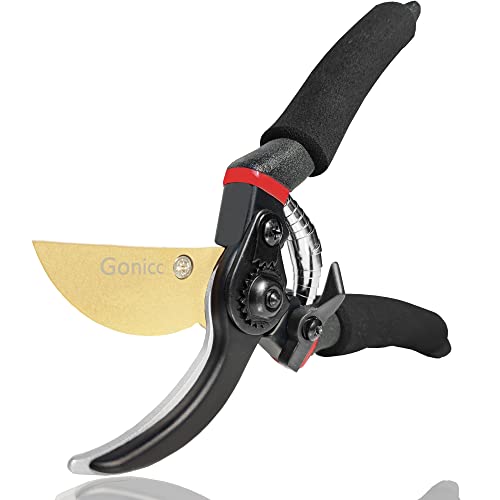
Drop-forged construction delivers exceptional durability and sturdiness for long-term heavy garden use.

Sharp & Rustproof: Our garden scissors are made of premium stainless steel material, which has corrosion resistance and good hardness. Sharp blades can quickly finish pruning tasks for gardens, vegetable gardens, orchards, and indoor plants

CLEAN CUTS FOR LIVE GROWTH: Bypass blade design is ideal for pruning delicate flower stems and green growth, helping reduce crushing and plant damage while cutting stems and small branches up to 5/8” in diameter
Pruning Techniques
Pruning significantly influences flowering and fruit production. Follow these steps for effective pruning:
- Timing: Prune in late winter or early spring before new growth appears. This encourages healthy blooms.
- Tools: Use sharp, clean pruning shears. Avoid damaging the tree’s bark.
- Shape: Remove dead or crossing branches to improve air circulation. Aim for an open center shape for good sunlight exposure.
- Thinning: Thin out crowded branches to promote stronger growth. Focus on the interior branches that may hinder airflow.
- Maintenance: Regularly check for pest damage or diseases and prune affected areas promptly.
By following these pruning techniques, you enhance the potential for fuller blooms and improved fruit yield.
Soil and Nutrient Considerations
Healthy soil and proper nutrition play vital roles in tree blooming. Keep these tips in mind:
- Soil Testing: Test your soil to assess pH and nutrient levels. Most fruit trees thrive in slightly acidic to neutral soil (pH 6.0-7.0).
- Amending Soil: Add organic matter, such as compost or well-rotted manure, to improve soil structure and nutrient availability.
- Fertilization: Apply a balanced fertilizer (e.g., 10-10-10 NPK) in early spring before blooming. Follow package instructions for application rates to avoid over-fertilizing.
- Mulching: Use mulch around the base of your trees to conserve moisture, regulate temperature, and suppress weeds. Organic mulch (wood chips or straw) works well.
- Watering: Ensure consistent watering, especially during dry spells. Mature fruit trees require about 1-2 inches of water per week.
By focusing on soil health and proper nutrients, you set the stage for robust blooming and fruitful harvests.
Conclusion
Watching your fruit trees bloom is one of the most rewarding parts of gardening. By understanding when and why your trees bloom you can make informed decisions that lead to healthier plants and better yields. Keep an eye on the factors that influence blooming times and adapt your care accordingly.
With the right approach to pruning soil health and pest management you’ll set your trees up for success. So get ready to enjoy the beauty of those blossoms and the delicious fruits that follow. Happy gardening!
Frequently Asked Questions
What is the significance of bloom time in fruit trees?
Bloom time is crucial for fruit trees as it influences fruit set and overall yield. Trees that bloom too early may face frost damage, while those that bloom late might miss the best pollination conditions. Understanding bloom time helps gardeners plan tasks effectively.
Which fruit trees bloom early in the spring?
Early blooming trees include cherry, peach, and plum. These trees typically flower from late winter to early spring, making them susceptible to frost risks that can affect fruit production.
What types of trees bloom in mid-season?
Mid-season blooming trees, such as apple, apricot, and pear, usually flower between April and May. This timing typically allows them to benefit from optimal pollination conditions, enhancing fruit set.
Are there fruit trees that bloom late in the season?
Yes, late blooming trees like fig, persimmon, and walnut flower from late spring to early summer. Their later blooming period minimizes the risks of frost damage, helping to ensure a better yield.
How do climate and geography affect blooming times?
Climate and geography play vital roles in fruit tree blooming. Warmer temperatures can trigger earlier blooms, while cooler temperatures may delay them. Regional conditions, including harsh winters or mild climates, also influence the timing of blooms.
What can gardeners do to protect early blossoms from frost?
To protect early blossoms from frost, gardeners can cover trees with blankets or cloth during cold nights, apply frost protection sprays, or strategically prune to manage exposure. These measures can help safeguard delicate flowers.
What are some tips for successful fruit tree pruning?
Effective pruning tips include doing it in late winter or early spring, using sharp tools, shaping for better sunlight and air circulation, thinning crowded branches, and monitoring for pests and diseases regularly.
How can I improve the health of my fruit trees?
Improving fruit tree health involves ensuring nutrient-rich soil, conducting soil tests, adding organic matter, applying balanced fertilizers in early spring, using mulch for moisture retention, and maintaining a consistent watering schedule.
