

Have you ever wondered when almond trees start to bear fruit? If you’re thinking about growing your own almond trees or just curious about their lifecycle, you’re not alone. Many people find themselves eager to know when they can expect those delicious nuts to appear.
Key Takeaways
- Growth Timeline: Almond trees typically begin to bear fruit within 3 to 4 years of planting, reaching full production at 5 to 7 years.
- Flowering and Harvesting Seasons: They bloom in early spring and are harvested between late summer and early fall, usually from August to September.
- Optimal Conditions: Almond trees thrive in well-drained soil, full sunlight, and Mediterranean climates, requiring consistent watering and balanced fertilization for healthy growth.
- Pollination Requirements: Many almond varieties need cross-pollination; planting compatible varieties ensures better fruit yields.
- Harvest Indicators: Ripe almonds show a brown hull, visible splitting, and firm nut texture. Proper harvesting practices help minimize damage and maximize yield.
- Common Challenges: Be aware of pests and diseases like aphids and brown rot, and monitor your trees regularly to ensure a healthy crop.
Understanding Almond Trees
Almond trees (Prunus dulcis) thrive in warm, Mediterranean climates. They prefer well-drained soil with good sunlight. If you’re considering planting an almond tree, ensure your location meets these conditions.
Recommended Products
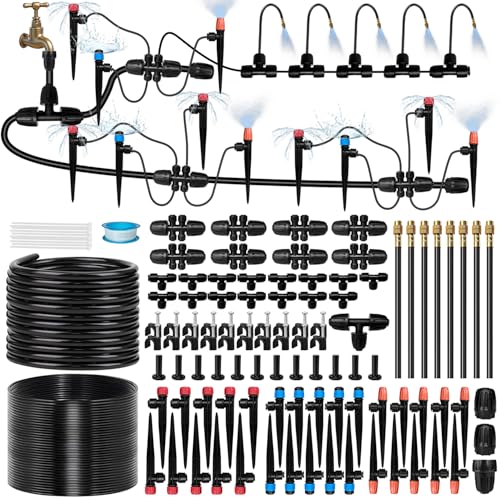
【Upgraded Tube Design & Water Saving】 Our garden watering system is upgraded to 1/2” diameter to support high water pressure. The 1/2” tee connector allows seamless splitting into 2 independent zones for customized watering schedules. By delivering moisture directly to root zones, this drip Irrigation system significantly reduces evaporation and runoff—saving more water compared to conventional sprinklers while eliminating the need for manual watering.
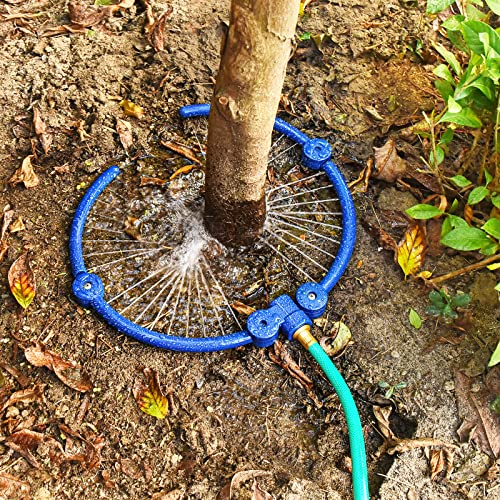
【Specially Designed for Trees and Shrubs】 The Watering Ring is a multi-purpose irrigation ring that attaches to a garden hose to efficiently water young trees shrubs vegetables or flower beds using drip or trickle irrigation.It directs water to the root perimeter of the plant to give them a good start during the first two growing seasons or through periods of drought.

NO MORE HARD INSTALLATION - SET UP IN MINUTES. Tired of struggling with stiff barbed fittings? This drip irrigation system features quick-connect fittings that let you push, lock, and secure tubing effortlessly. No tools, no leaks, just a smooth setup experience. Enjoy a frustration-free installation and get your garden watering system running in minutes.
Growth Timeline
Almond trees typically take 3 to 4 years to bear fruit after planting. However, full production may not occur until 5 to 7 years. To ensure healthy growth, follow these steps:
- Select the Right Variety: Choose from varieties like Nonpareil, Carmel, or Tuono based on your climate and desired characteristics.
- Plant in Spring: Spring planting allows young trees to establish roots before summer heat.
- Water Adequately: Almond trees require regular watering, especially in dry periods. Use a drip irrigation system for efficiency.
- Fertilize: Use a balanced fertilizer in early spring to promote growth.
Flowering Season
Almond trees bloom in early spring, generally between February and April depending on the climate. Flowers are delicate and may be white or light pink. Pollination is crucial; ensure you have both self-pollinating and cross-pollinating varieties for better yields.
Harvesting Fruit
Almonds are typically harvested from late summer to early fall, around August to September. Look for hulls that split open, revealing the nut inside. Harvesting methods include:
- Hand Harvesting: Ideal for small orchards. Gently shake branches to release nuts.
- Mechanical Harvesting: Suitable for larger operations. Use machines designed for almond collection.
Common Challenges
While growing almond trees can be rewarding, be aware of potential challenges like pests and diseases. Watch for signs of:
- Aphids: These small insects can damage young shoots. Control them by introducing beneficial insects or using insecticidal soap.
- Brown Rot: This fungal disease affects blossoms and fruit. Prevent it by ensuring good air circulation and practicing crop rotation.
By understanding the essential care and growth patterns of almond trees, you can enjoy fruit-bearing trees that flourish in your garden or orchard.
Life Cycle of Almond Trees
The life cycle of almond trees involves several distinct stages before they start bearing fruit. Understanding these stages helps you nurture your trees effectively.
Germination Process
Germination begins after you plant almond seeds or seedlings. Ideal conditions include warm soil temperatures of about 68°F to 86°F. If the soil is well-drained and kept moist, seeds typically sprout within 2 to 4 weeks. This initial growth phase sets the foundation for a healthy tree.
Growth Stages
Growth stages develop over several years. Here’s a breakdown:
- Planting Stage: Plant seeds or young trees in spring when the risk of frost is low. Choose a sunny spot with good drainage.
- Seedling Stage: In the first year, focus on establishing strong roots. Regular watering and protection from pests are crucial.
- Juvenile Stage: Years 2 and 3 see your almond tree growing taller and developing branches. Monitor for diseases and apply fertilizers as needed.
- Mature Stage: Between 3 and 4 years, almond trees begin to flower. Flowers appear in early spring, requiring proper pollination for fruit production.
- Fruit-Bearing Stage: From 4 years onward, your tree produces almonds. Full production occurs between 5 and 7 years, yielding a substantial harvest in late summer to early fall.
By following these steps and caring for your almond trees, you enhance their chances of fruit-bearing success.
Fruit Bearing Timeline
Almond trees start bearing fruit several years after planting. Understanding the timeline helps you anticipate the joys of harvesting almonds.
Recommended Products

BIGGER PLANTS: Miracle-Gro Water Can Singles All Purpose Plant Food is a water soluble plant fertilizer that grows plants twice as big (vs unfed plants)

Made for Lemon & Citrus Trees – Formulated to support healthy growth in lemon and citrus plants.
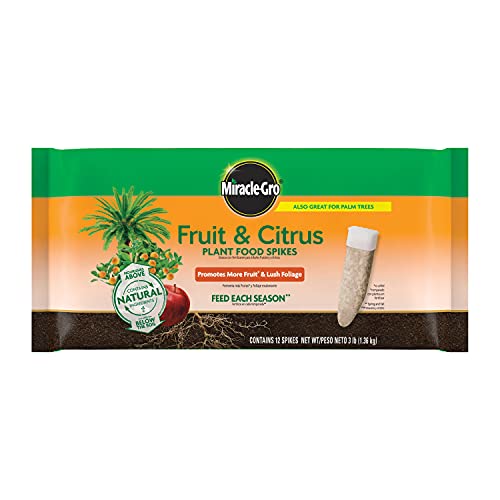
FORMULATED FOR CITRUS AND FRUIT TREES: Use these citrus fertilizer spikes on apple, orange, lemon, lime, and avocado trees; this formula is also great for feeding palm trees
Factors Influencing Bearing Age
- Tree Variety: Some almond tree varieties mature faster than others. Nonpareil and Tuono typically bear fruit sooner than other varieties.
- Climate: Warm, Mediterranean climates enhance tree growth. Cold snaps during early spring can delay blooming and subsequent fruiting.
- Soil Quality: Well-drained, nutrient-rich soil fosters healthy root development. Poor soil affects overall growth and fruiting timelines.
- Care Practices: Consistent watering and appropriate fertilization promote faster growth. Neglecting these factors may extend the time before the trees bear fruit.
- Age of Seedlings: Older seedlings may start producing fruit earlier. Purchasing a 1-year or 2-year-old tree can lead to earlier yields compared to younger ones.
- Sunlight: Almond trees thrive in full sun. Aim for at least 6 hours of direct sunlight daily to optimize flowering and fruiting.
- Watering: Consistent moisture is crucial, especially in dry climates. Deep watering promotes root establishment and supports fruit production.
- Soil pH: Aim for slightly acidic to neutral soil (pH 6.0 to 7.0). Testing soil pH helps determine necessary amendments for healthy growth.
- Pollination: Many almond varieties require cross-pollination for good yields. Planting different compatible varieties ensures better pollination rates.
- Pruning: Regular pruning enhances air circulation and sunlight penetration, promoting healthy fruit development. Focus on removing dead or overcrowded branches.
These factors combine to create the optimal environment for your almond tree. Understanding this timeline and the conditions that affect it empowers you to cultivate healthy, fruitful almond trees.
Harvesting Almonds
Harvesting almonds involves recognizing the right time to pick and knowing the best methods for gathering them efficiently.
Signs of Ripe Almonds
Ripe almonds have distinct characteristics that signal they’re ready for harvest.
- Outer Hull Color: Check the outer hull; it should change from green to brown.
- Hull Split: Look for visible splitting in the hull, which indicates the nut inside is mature.
- Nut Hardness: Gently squeeze the nut. A firm texture suggests it’s ripe, while a soft feel means it needs more time.
- Tree Foliage: Notice the leaves. If they start turning yellow or dropping, this can signal that harvesting time is near.
- Time of Year: Generally, harvest takes place from late summer to early fall, typically from August to October.
Best Practices for Harvesting
Using the right techniques can maximize your yield while minimizing damage.
- Timing Matters: Plan to harvest on dry days; this reduces the chance of mold and mildew on the nuts.
- Tools Required: Gather necessary tools like a shaking machine for larger orchards or a basket for hand harvesting.
- Shake the Trees: For commercial operations, use a mechanical shaker to dislodge nuts from branches. Ensure the ground is covered with tarps to catch falling almonds.
- Collect Nuts: Gather nuts promptly after shaking to prevent loss or contamination. Sort them into clean containers to maintain quality.
- Dry the Harvest: Spread harvested almonds in a single layer in a shaded area to dry. This prevents moisture-related issues and improves shelf life.
- Storage: Store dried almonds in cool, dry conditions in airtight containers to keep them fresh.
Properly recognizing ripe almonds and following effective harvesting methods ensures a successful yield. Adapting these practices to your specific orchard size and type can enhance your harvesting experience.
Conclusion
Growing almond trees can be a rewarding journey filled with anticipation. With patience and proper care you can enjoy the beauty of their blossoms and the satisfaction of harvesting your own almonds. Remember that it takes a few years for your trees to start producing fruit but with the right conditions and practices you’ll set yourself up for success.
Keep an eye on the signs of ripeness and don’t forget to protect your trees from pests and diseases. As you nurture your almond trees you’ll not only cultivate delicious nuts but also create a thriving environment in your garden. Happy growing!
Frequently Asked Questions
How long does it take for almond trees to bear fruit?
Almond trees typically take 3 to 4 years to begin bearing fruit after planting. Full production usually happens between 5 to 7 years, depending on the care and conditions in which the trees are grown.
What are the ideal growing conditions for almond trees?
Almond trees thrive in warm, Mediterranean climates with plenty of sunlight, well-drained soil, and moderate watering. It’s essential to provide these conditions to ensure healthy growth and optimal fruit production.
When do almond trees bloom?
Almond trees bloom in early spring, producing beautiful flowers that can be white or light pink. This blooming period is crucial for pollination, which directly affects the yield of almonds.
How do I know when to harvest almonds?
Harvesting almonds typically occurs from late summer to early fall, usually between August and October. Look for brown hulls, visible splitting, and a firm texture as signs of ripeness.
What are common challenges when growing almond trees?
Common issues include pests like aphids and diseases such as brown rot. Regular inspections and implementing preventive measures like proper watering and pruning can help manage these challenges effectively.
What steps should I follow for successful almond tree care?
To care for almond trees, select the right variety, plant in spring, ensure adequate watering, and fertilize in early spring. Regularly monitor for pests and diseases while providing optimal sunlight and soil conditions.
How does pollination affect almond production?
Pollination is crucial for almond trees as it helps in fruit set. Adequate pollination results in better yields, so consider planting compatible varieties nearby to enhance the chances of successful pollination.
What signs indicate ripe almonds ready for harvest?
Signs of ripe almonds include a brown color in the outer hull, visible hull splitting, and a firm nut texture. It’s essential to monitor these changes to determine the perfect harvest time.
Can I grow almond trees in any climate?
Almond trees prefer warm climates with distinct seasons. They need minimal frost and plenty of sunlight, making them unsuitable for regions with cold, damp winters. Check your local climate before planting.
How do I store harvested almonds?
Store harvested almonds in a cool, dry place to maintain their freshness. Using airtight containers can help prolong shelf life, keeping them safe from moisture and pests.
