

Have you ever wondered how to grow your own cucamelons right in your backyard? Picture this: You’re craving a fresh, tangy snack straight from the vine, but you’re not sure where to start. Well, fret not! In this article, we’ll show you the simple steps to plant cucamelons effortlessly.
Imagine having a bountiful harvest of these tiny, cucumber-like fruits at your fingertips. With our easy-to-follow guide, you’ll learn everything from selecting the perfect seeds to nurturing your cucamelon plants into flourishing vines. Get ready to enjoy the satisfaction of growing your own delicious cucamelons with just a little bit of know-how.
Get excited about cultivating these unique and flavorful treats in your garden. Stay tuned as we walk you through the process of planting and caring for cucamelons so that you can savor their crisp, refreshing taste whenever you like.
Key Takeaways
- Cucamelons, also known as “Mexican sour gherkins” or “mouse melons,” are tiny fruits with a tangy flavor similar to cucumbers crossed with lemons.
- Cucamelons are rich in vitamin C, antioxidants, and fiber, offering health benefits that support immune function and aid digestion.
- Plant cucamelon seeds after the last frost date in warm climates with well-draining soil and full sun exposure for optimal growth.
- When caring for cucamelon plants, ensure consistent watering to keep the soil moist but not waterlogged and manage pests like aphids naturally using neem oil or insecticidal soap.
- Harvest cucamelons when firm and grape-sized for the best flavor, then use them in salads, pickles, or cocktails to enjoy their unique taste.
Understanding Cucamelons
Cucamelons, also known as “Mexican sour gherkins” or “mouse melons,” are tiny fruits that resemble a miniature version of watermelons. These grape-sized delights look like cucumbers but have a tangy flavor profile similar to cucumbers crossed with lemons.
What Are Cucamelons?
Cucamelons are not genetically modified; they are entirely natural and belong to the cucumber family. They thrive in warm climates and can be grown in containers or directly in your garden soil. The vines of cucamelon plants produce an abundance of these adorable fruits, making them a fun addition to your gardening experience.
Health Benefits and Nutritional Value
Despite their small size, cucamelons pack a nutritional punch. They are rich in vitamin C, antioxidants, and fiber, making them a healthy snack option. The combination of nutrients found in cucamelons can contribute to overall health and well-being by supporting immune function and aiding digestion.
By incorporating cucamelons into your diet, you not only add a unique twist to your meals but also benefit from their nutrient content. Whether eaten fresh as a snack or used in salads and pickles, cucamelons offer a refreshing taste along with health-boosting properties.
Preparing to Plant Cucamelons
To ensure successful growth of cucamelons in your backyard, here are essential steps to prepare for planting.
Recommended Products

High Germination Rate: cucamelons seeds sprout in 10-14 days at 70 °F, Full sun, Start inside 4 weeks before last frost or outdoors in warm soil. Sow 1/4" deep, space 9-12" apart – perfect climbing cucumber seeds for patio or vegetable garden.

Appearance: Cucamelons, or "Mexican sour gherkins," are tiny, grape-sized fruits that look like miniature watermelons, featuring a green skin with white stripes.

Cucamelon Appearance: Cucamelons look like miniature watermelons or tiny cucumbers, typically growing to about the size of a grape. They have a green skin with faint stripes and a small white or yellow tip at the end.
Choosing the Right Time to Plant
Plant cucamelon seeds after the last frost date in your region. The ideal soil temperature should be around 70°F (21°C) for optimal germination. Aim to plant them in late spring or early summer when the weather is consistently warm.
Selecting an Ideal Location
Pick a sunny spot with well-draining soil for planting cucamelons. These plants thrive in full sun, so choose a location that receives at least 6-8 hours of sunlight per day. Ensure there’s adequate space for the vines to spread out and support structures like trellises if needed.
Soil Preparation
Prepare the soil by mixing compost or aged manure to improve its fertility and drainage. Cucamelons prefer slightly acidic soil with a pH level between 6.0 and 6.8. Work on loosening the soil to a depth of about 8-12 inches (20-30 cm) before planting to promote healthy root development and overall plant growth.
By following these steps, you’ll set up the perfect environment for your cucamelon plants, leading to a bountiful harvest of these delightful fruits.
How to Plant a Cucamelon
Planting cucamelons is a straightforward process that can be broken down into two main steps: sowing seeds indoors and transplanting seedlings outdoors. Follow these simple guidelines to ensure a successful growth journey for your cucamelon plants.
Recommended Products

【Biodegradable Material】The seed trays are crafted from environmentally friendly materials, ensuring sustainability from seed to harvest
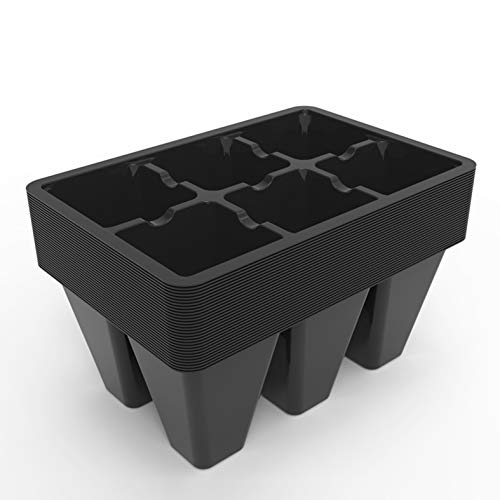
High Quality and Durable - Our Gardzen Seed Start Trays are made from premium plastic material, ensuring long-lasting use for all your seed starting needs. These trays are designed to withstand daily wear and tear, making them perfect for avid gardeners.
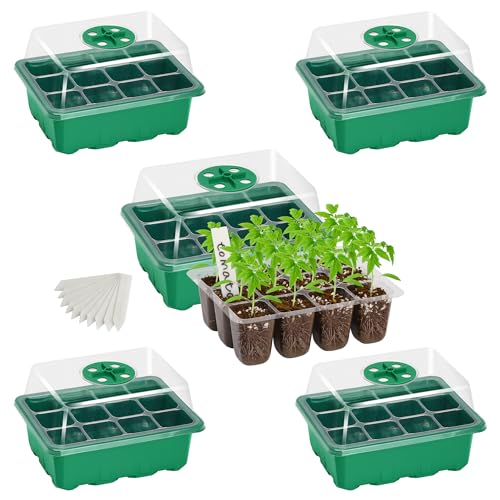
【Keep an eye on your plant】: The only design in the market- High quality clear plastic trays of this seed grow kit make it easier to observe your plants without interrupting the process.
Sowing Seeds Indoors
When starting your cucamelon plants from seeds indoors, you give them a head start before moving them outside. Here’s how you can do it:
- Select the Right Containers: Choose small pots or seedling trays with drainage holes to prevent waterlogging.
- Prepare the Soil: Use well-draining potting mix rich in organic matter to provide essential nutrients.
- Plant the Seeds: Sow the seeds about 1 inch deep in each container, then lightly water the soil.
- Provide Adequate Light and Warmth: Place the containers in a warm, sunny spot or under grow lights to encourage germination.
- Keep Soil Moist but Not Waterlogged: Water the seeds regularly, ensuring the soil remains moist but not soggy.
By following these steps, you’ll soon see tiny cucamelon seedlings emerging, ready for their next phase of growth.
Transplanting Seedlings Outdoors
Once your cucamelon seedlings have grown a few inches tall and outdoor conditions are suitable, it’s time to transplant them into your garden or chosen outdoor space:
- Choose an Appropriate Location: Select a sunny spot with well-draining soil for optimal growth.
- Harden Off Seedlings: Gradually expose your seedlings to outdoor conditions over several days to acclimatize them.
- Prepare Planting Holes: Dig holes spaced about 12 inches apart and deep enough to accommodate the root system of each seedling.
- Transplant Seedlings Carefully: Gently remove each seedling from its container, place it in a planting hole, and cover with soil.
- Water Thoroughly After Planting: Give your newly transplanted cucamelon seedlings a good drink of water to help them settle into their new environment.
Caring for Cucamelon Plants
Cucamelon plants require proper care to thrive and produce abundant fruits. Here’s how you can ensure your cucamelons grow healthily:
Recommended Products

Beautiful – Large premium packet of Cucamelon (Melothria scabra) seeds. Also known as Mexican Sour Gherkin, cucamelon is a unique, vining plant that produces small, cucumber-like fruits with a tangy, citrusy flavor. Perfect for pickling, salads, or snacking, these little fruits are a fun addition to any garden. Minimum of 200 mg per packet (about 65 seeds).

Quantity: 100 seeds, packaged in a resealable bag, allowing for easy storage and ensuring the viability of the seeds for future planting seasons.

VARIETY: Cucamelon seeds (Melothria Scabra) produce unique grape-sized fruits that look like tiny watermelons and taste like cucumber with a tangy citrus twist
Watering Requirements
When it comes to watering your cucamelon plants, consistency is key. You should water the plants regularly, ensuring that the soil is moist but not waterlogged. A good practice is to check the soil moisture by inserting your finger into the soil up to an inch deep; if it feels dry, it’s time to water. During hot weather or in well-draining containers, you may need to water more frequently.
Managing Pests and Diseases
To protect your cucamelon plants from pests and diseases, inspect them regularly for any signs of trouble. Common pests that may affect cucamelons include aphids and spider mites. If you notice any pests, consider using natural remedies like neem oil or insecticidal soap to control infestations without harming beneficial insects. Additionally, practicing crop rotation and maintaining good air circulation around the plants can help prevent diseases like powdery mildew.
By following these simple tips for watering and pest management, you can ensure that your cucamelon plants stay healthy and productive throughout the growing season.
Harvesting and Using Cucamelons
Harvesting cucamelons at the right time is crucial for enjoying their fresh, tangy flavor. Here’s how to harvest and make the most of these delightful fruits:
When and How to Harvest
To determine if your cucamelons are ready for harvesting, look for firm fruits that are about the size of a grape. Gently twist them off the vine, being careful not to damage the plant. It’s best to harvest cucamelons regularly as this encourages more fruit production.
Culinary Uses and Recipes
Cucamelons can be used in various culinary applications due to their unique flavor profile. They are perfect for adding a refreshing twist to salads, pickling for a tangy snack, or even incorporating into cocktails as a garnish. Try making pickled cucamelons with vinegar, salt, and spices for a zesty treat that complements many dishes.
Conclusion
You now have all the tools you need to successfully plant and grow your own cucamelons. Remember to choose the right planting time, location, and soil for optimal growth. Implement proper planting techniques and provide consistent care by watering adequately, controlling pests, and preventing diseases. Harvest your cucamelons at the right moment to savor their fresh, tangy taste. Explore various culinary possibilities with these little fruits – from salads to pickling or even as cocktail garnishes. The recipe for pickled cucamelons shared in this article will surely add a flavorful twist to your dishes. Enjoy the process of growing these unique plants and experimenting with different ways to incorporate them into your meals!
Frequently Asked Questions
When is the best time to plant cucamelons?
Cucamelons should be planted after the last frost date in your area, typically in late spring when the soil has warmed up.
How should I prepare the soil for planting cucamelons?
Prepare well-draining soil rich in organic matter by adding compost or aged manure before planting cucamelon seeds or seedlings.
What are some essential care tips for growing healthy cucamelon plants?
Ensure consistent watering to keep the soil moist but not waterlogged, control pests like aphids and spider mites, and prevent diseases by practicing good garden hygiene.
How can I tell if a cucamelon is ripe and ready for harvesting?
Ripe cucamelons are firm to the touch, have a vibrant green color, and are about the size of a grape. Taste one to ensure it’s tangy and flavorful.
What are some creative ways to use harvested cucamelons in recipes?
Cucamelons can be enjoyed fresh in salads, pickled as a crunchy snack, or used as unique cocktail garnishes for added flavor and visual appeal.
