

Are you eager to enjoy the sweet taste of homegrown cantaloupe in Texas? Picture this: it’s a warm summer day, and you’re savoring the juicy goodness of a perfectly ripe cantaloupe grown right in your backyard. But when is the best time to plant these delicious fruits in the Lone Star State?
Timing is key when it comes to planting cantaloupe in Texas. Knowing the optimal planting window can make all the difference in your harvest. In this article, we’ll guide you on when to sow your cantaloupe seeds for a bountiful crop that will have you enjoying farm-fresh flavors all season long.
Key Takeaways
- Timing is crucial when planting cantaloupe in Texas to maximize growth and fruit production.
- Regional climatic variations in Texas impact the ideal planting window for cantaloupes, with different regions having different optimal planting times.
- Select well-draining soil with organic matter and choose shorter growing season cantaloupe varieties for successful harvests in Texas.
- Plant cantaloupes after the last frost date, typically between late March and early April, to avoid cold damage and promote healthy growth.
- Monitor soil temperature before sowing seeds and pay attention to natural signs of spring to determine the best time for planting cantaloupes.
- Proper watering, fertilization, pest management techniques are essential for healthy growth and abundant fruit production of cantaloupe plants in Texas.
Understanding Cantaloupe Planting Seasons in Texas
Timing plays a crucial role when planting cantaloupe in Texas. By understanding the optimal planting season, you can ensure a successful harvest of delicious homegrown cantaloupes throughout the growing period.
Why Timing Matters
Planting cantaloupe at the right time is essential for maximizing growth and fruit production. In Texas, it’s recommended to plant cantaloupe seeds or seedlings after the last frost date. This timing allows the plants to thrive in warmer temperatures, leading to healthier vines and an abundant yield of sweet melons.
Regional Climatic Variations
Texas exhibits diverse climatic conditions across its regions, impacting the ideal planting window for cantaloupes. Areas such as East Texas experience milder winters and earlier springs, enabling gardeners to start planting cantaloupes as early as late March. On the other hand, West Texas faces harsher conditions with hotter summers, necessitating a later planting schedule around mid-April to avoid potential frost damage and ensure optimal growth.
By aligning your cantaloupe planting schedule with Texas’ regional climatic variations, you can enhance the chances of a fruitful harvest and enjoy fresh, flavorful melons from your own garden.
Preparing to Plant Cantaloupe in Texas
When getting ready to plant cantaloupe in Texas, there are a few key steps you should follow to ensure a successful harvest of delicious melons. Here’s what you need to know:
Recommended Products

Quick, at home results for Soil pH, Nitrogen, Phosphorous and Potash Innovative and inexpensive soil test kit features an easy-to-use capsule system and patented color comparators

Kindly NOTE: This soil tester can not be applied to test pH value of any other liquid. If the soil is too dry the indicator will not move, and water it before testing.

KNOW BEFORE YOU GROW | Grow the healthiest, sustainable lawn and garden with the most accurate and easy to use professional soil test kit on the market
Choosing the Right Soil
To give your cantaloupes the best chance to thrive, opt for well-draining soil with plenty of organic matter. Sandy loam or loamy soils work well for cantaloupes as they provide good drainage and nutrient retention. Conduct a soil test to check the pH level, aiming for a slightly acidic soil around 6.0-6.8 pH for optimal growth.
Selecting the Best Cantaloupe Varieties
When selecting cantaloupe varieties for planting in Texas, consider choosing those with a shorter growing season to align with the state’s climate conditions. Varieties like ‘Hale’s Best’ and ‘Ambrosia’ are popular choices that do well in Texas’ warm weather. Look for disease-resistant varieties suited to Texas’ specific challenges, ensuring a higher chance of a successful harvest.
The Ideal Planting Timeframe
When planning your cantaloupe garden in Texas, it’s crucial to consider the ideal planting timeframe to ensure a successful harvest. Here are some guidelines to help you determine the best time to plant your cantaloupes.
Recommended Products

ORGANIC COCONUT COIR: Made from recycled coconut husks, coir is a light, sustainable growing medium that holds the perfect amount of moisture for starting seeds. 100% biodegradable soil alternative. Environmentally-friendly and a renewable alternative to peat moss. OMRI listed and certified organic.

Monitor soil temperature for healthy seeding, planting and gardening
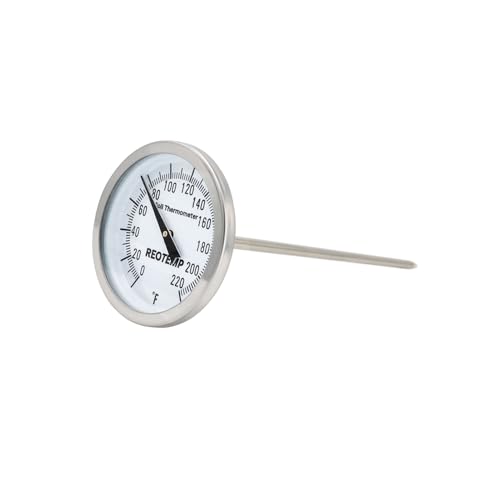
Corrosion Resistant 304 Stainless Steel Case, Bezel and 5" Stem
Spring Planting Guidelines
In Texas, the optimal time for planting cantaloupes is typically after the last frost date. For most regions in Texas, this falls between late March and early April. Planting after the last frost ensures that your cantaloupe plants won’t be damaged by unexpected cold snaps, allowing them to thrive in the warm spring weather.
To determine your specific planting window, check with local agricultural extension offices or use online resources that provide frost date calculators tailored to your area in Texas. By aligning your planting schedule with the last frost date, you give your cantaloupes the best chance for healthy growth and abundant fruit production.
Signs That It’s Time to Plant
One of the key indicators that it’s time to plant your cantaloupes is soil temperature. Cantaloupe seeds germinate best when soil temperatures reach around 70°F (21°C) or higher. You can use a soil thermometer to monitor soil temperatures and ensure they are within the optimal range before sowing your seeds.
Additionally, observing natural signs of spring such as blooming wildflowers or budding trees can also signal that it’s safe to plant your cantaloupes outdoors. These signs indicate that warmer weather has arrived and that conditions are favorable for seed germination and plant growth.
By paying attention to these spring planting guidelines and recognizing nature’s cues, you’ll be able to plan and execute your cantaloupe planting at the perfect time for a fruitful harvest in Texas.
Care and Maintenance for Cantaloupe
When it comes to caring for your cantaloupe plants in Texas, proper watering and fertilization techniques are crucial for their healthy growth and fruit production. Additionally, managing pests and diseases effectively will help ensure a successful harvest of delicious melons.
Watering and Fertilization Techniques
To keep your cantaloupe plants thriving, it’s essential to water them consistently but avoid overwatering, as this can lead to root rot. Aim to provide about 1-2 inches of water per week, either through rainfall or irrigation. Mulching around the plants can help retain moisture in the soil and reduce water evaporation.
When it comes to fertilizing your cantaloupe plants, opt for a balanced fertilizer with equal parts nitrogen, phosphorus, and potassium. You can apply the fertilizer when planting the seeds or seedlings and then side-dress with additional fertilizer when the vines start to run. Be cautious not to over-fertilize, as this can result in excessive foliage growth at the expense of fruit development.
Managing Pests and Diseases
Preventing pests and diseases is essential for ensuring a healthy cantaloupe crop. One common pest that affects cantaloupes is aphids. To deter these tiny insects, you can introduce beneficial insects like ladybugs or use insecticidal soap as a natural remedy.
Another potential issue is powdery mildew, a fungal disease that thrives in warm, humid conditions. To prevent powdery mildew, ensure good air circulation around your plants by spacing them adequately during planting. If signs of powdery mildew appear, you can treat it with fungicidal sprays specifically designed for this disease.
By following these watering practices, fertilization techniques, and pest management strategies diligently throughout the growing season, you’ll give your cantaloupe plants the best chance at producing sweet and flavorful melons for you to enjoy.
Conclusion
You now have all the essential tips for planting cantaloupe in Texas successfully. Remember to choose the right varieties, plant at the correct time, and provide proper care throughout the growing season. By focusing on watering, fertilizing, and pest control, you’ll set yourself up for a thriving cantaloupe crop. Follow these guidelines diligently, and soon you’ll be enjoying delicious homegrown melons straight from your garden. Happy planting!
Frequently Asked Questions
When is the best time to plant cantaloupe in Texas?
Plant cantaloupe in Texas after the last frost date, typically between late March and early April.
What should I consider when selecting cantaloupe varieties for planting in Texas?
Choose disease-resistant varieties suitable for Texas climate and ensure they have a short growing season.
How important is proper watering for cantaloupe plants in Texas?
Proper watering is crucial for healthy growth and fruit production of cantaloupe plants in Texas.
How can I manage pests like aphids on my cantaloupe plants in Texas?
Use natural predators or organic sprays to control aphids on your cantaloupe plants in Texas.
What are some common diseases that affect cantaloupes in Texas, and how can I prevent them?
Powdery mildew is a common disease; prevent it by ensuring good air circulation around plants and avoiding overhead watering.
