

Do you dream of enjoying sweet, juicy cantaloupe grown right at home? Picture this: You step onto your balcony or into your sunny kitchen, and there it is—a vibrant cantaloupe plant flourishing in a simple pot. Imagine savoring the taste of your own freshly harvested fruit, knowing you nurtured it from seed to table.
In this article, you’ll discover the joys of growing cantaloupe in a pot—no sprawling garden required! We’ll guide you through each step, from selecting the perfect container to caring for your plant with ease. Get ready to experience the satisfaction of cultivating delicious cantaloupe wherever you are.
Key Takeaways
- Growing cantaloupe in a pot maximizes space utilization, making it ideal for small gardening areas like balconies or patios.
- Cultivating cantaloupe in a pot provides control over growing conditions such as soil quality, sunlight exposure, and temperature.
- Essential supplies for pot-grown cantaloupe include choosing the right pot size, using well-draining soil rich in organic matter, and providing proper care for successful growth.
- Plant cantaloupe seeds or seedlings in late spring after the last frost date to optimize growing conditions and ensure a bountiful harvest.
- Caring for cantaloupe in pots involves proper watering, feeding with balanced fertilizer, managing sunlight exposure, and maintaining optimal temperatures.
- To overcome common challenges like pests and limited space when growing cantaloupe in pots, implement preventive measures and select compact varieties suitable for container gardening.
Benefits of Growing Cantaloupe in a Pot
Growing cantaloupe in a pot offers various advantages that make it an appealing option for home gardeners like you. Let’s explore some of the benefits to help you understand why this method can be a rewarding experience.
Space Efficiency
Opting to grow cantaloupe in a pot allows you to maximize space utilization, making it ideal for those with limited gardening areas such as balconies, patios, or small yards. You can enjoy the pleasures of cultivating fresh cantaloupes without needing a large garden plot. This method provides flexibility and convenience, enabling you to bring greenery and delicious fruits into your living space without compromising on yield.
Control Over Growing Conditions
When you grow cantaloupe in a pot, you have greater control over the plant’s environment and growing conditions. You can tailor factors such as soil quality, drainage, sunlight exposure, and temperature to suit the specific needs of your cantaloupe plant. This hands-on approach empowers you to optimize growth conditions, leading to healthier plants and potentially higher fruit yields. By taking charge of these variables, you can create an optimal setting for your cantaloupes to thrive and flourish right at home.
Essential Supplies for Pot-Grown Cantaloupe
To successfully grow cantaloupe in a pot, you’ll need to ensure you have the essential supplies ready. Here’s what you’ll need:
Recommended Products

What You Receive: One set contains 25 packs nursery pots for plants. These plant pots for plants, suitable for both indoor and outdoor use, cater to a wide range of plant species, including succulents, flowers, herbs, and various potted plants.

Premium Quality Material: These 10-pack 5 gallon plant pots are made of quality plastic injection molded material, ensuring durability and long-lasting use. The sturdy construction of these nursery pots makes them perfect for both outdoor and indoor plants
Choosing the Right Pot
Selecting the appropriate pot is crucial for the health and growth of your cantaloupe plant. Opt for a large container with good drainage holes at the bottom to prevent waterlogging, which can harm the plant’s roots. A 5-gallon (19-liter) pot or larger would be ideal to provide ample space for root development.
Soil and Fertilizer Needs
For your pot-grown cantaloupe, use well-draining soil rich in organic matter. A mix of potting soil and compost works well to provide nutrients and promote healthy growth. Additionally, consider adding a balanced fertilizer specifically formulated for fruiting plants to support robust vine development and fruit production.
By ensuring you have the right pot size and suitable soil along with providing proper care, you can set yourself up for a successful harvest of delicious cantaloupes grown right on your patio or balcony.
Planting Your Cantaloupe
When it comes to planting your cantaloupe, timing is crucial. The best time to plant your cantaloupe seeds or seedlings is in late spring after the last frost has passed. This ensures that your plants have optimal growing conditions and a longer season to mature fully.
Best Time to Plant
Plant your cantaloupe seeds or seedlings in late spring after the last frost date for your region. This usually falls between April and June, depending on where you live. By planting at the right time, you give your cantaloupes the best chance to thrive and produce a bountiful harvest.
Step-by-Step Planting Process
To plant your cantaloupes successfully, follow these simple steps:
- Prepare the Pot: Choose a large pot with good drainage holes at the bottom to prevent waterlogging.
- Fill with Soil: Use well-draining soil mixed with compost for nutrients.
- Plant Seeds or Seedlings: Sow seeds 1 inch deep or transplant seedlings carefully into the soil.
- Water Thoroughly: Keep the soil consistently moist but not waterlogged.
- Provide Support: Consider using trellises or cages as support for vining varieties.
- Fertilize Regularly: Feed your plants with a balanced fertilizer every few weeks for healthy growth.
- Monitor Growth: Watch out for pests and diseases, and take prompt action if needed.
Caring for Cantaloupe in Pots
After planting your cantaloupe seeds or seedlings, proper care is essential to ensure healthy growth and a bountiful harvest. Here are some key tips on caring for cantaloupe in pots:
Recommended Products
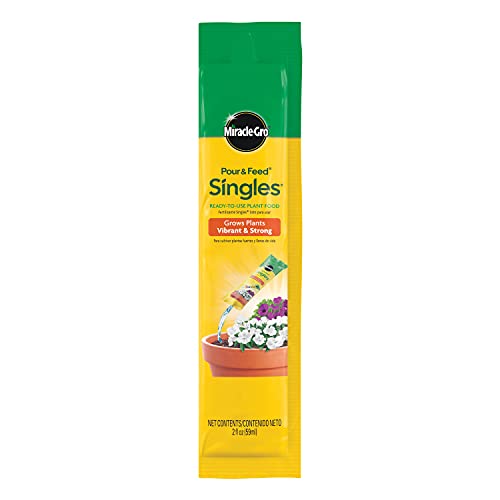
Easy to use! No mixing, no measuring and no storage required

Balanced Organic Nutrition – Supplies a 6‑3‑3 NPK ratio along with calcium, sulfur, iron, and zinc to foster healthy foliage, flowering, and fruit.
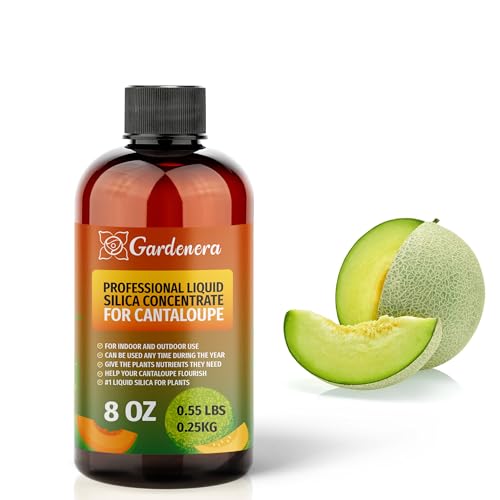
🌱 Strengthen CANTALOUPE Stalks & Prevent Breakage: Our silica formula reinforces plant cell walls, making stems and branches thick, tough, and resistant to breakage. Perfect for cantaloupe plants.
Watering and Feeding
Watering your cantaloupe plants is crucial for their development. Ensure the soil remains consistently moist but not waterlogged. Overly wet conditions can lead to root rot, so it’s important to strike a balance. Aim to water deeply but infrequently, allowing the top inch of soil to dry out between watering sessions.
Feeding your cantaloupe plants with a balanced fertilizer is necessary for robust growth and fruit production. Choose a fertilizer specifically formulated for fruits and vegetables, and follow the instructions on the packaging for application frequency and dosage. Regular feeding throughout the growing season will help sustain healthy plant development.
Managing Sunlight and Temperature
Cantaloupes thrive in warm, sunny conditions, so it’s vital to provide them with adequate sunlight. Place your potted cantaloupe where it can receive at least 6-8 hours of direct sunlight daily. If you’re growing indoors, consider using grow lights to supplement natural light.
Maintaining optimal temperatures is also key to successful cantaloupe cultivation. These plants prefer warm temperatures between 75-85°F (24-29°C) during the day and slightly cooler nights around 60-70°F (15-21°C). Protect your plants from extreme heat or cold by moving them as needed or providing shade during scorching periods.
Common Challenges and Solutions
Dealing With Pests and Diseases
To protect your cantaloupe plants from pests and diseases, you can implement several preventive measures. Regularly inspect your plants for any signs of infestation or infection. If you notice pests like aphids or spider mites, gently spray the leaves with water to remove them. For more persistent issues, consider using insecticidal soap or neem oil as organic remedies. Additionally, practicing crop rotation in your garden can help prevent the buildup of soil-borne diseases that may affect your cantaloupe plants.
Overcoming Space Limitations
Growing cantaloupe in pots can pose space challenges, but there are solutions to maximize your yield. Opt for compact or bush varieties that are well-suited for container gardening. You can also train the vines vertically using a trellis to save space and encourage proper airflow around the plant. Pruning excess foliage not only helps manage space but also directs energy towards fruit production. Lastly, ensure your pot is adequately sized to accommodate the plant’s root system while fitting within your available space constraints.
By addressing these common challenges proactively, you can nurture healthy cantaloupe plants in pots and enjoy a successful harvest.
Recommended Products

【Premium Material】These grow bags are made of thickened felt material, heavy-duty and durable, lightweight and breathable, and will not pollute the environment and affect the quality of vegetables. The breathable fabric can automatically percolate excess water, which can avoid the problems of excessive watering and water accumulation in the planting bag.
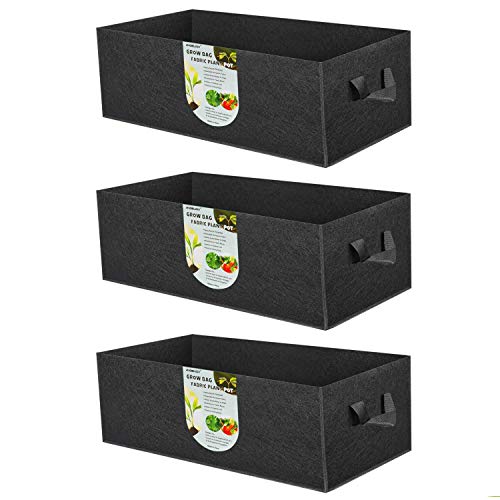
SIZE & APPLICATION : Pack with 3PCS 10 Gallon/36L planter bags, which sizes: 23.62in x 11.81 in x 7.87in / 60cm x 30cm *20cm (L x W x H), These pots are suitable for indoor or outdoor using , ideal for patios, small gardens, balconies, sun rooms, and any outdoor space, good for planting potato, taro, radish, carrots, onions, and many other vegetables,fruit,flowers.

Great for root formation: Ensure your plant roots stay aerated and are air-pruned. The breathable fabric pots prevent circling roots build-up. Enhance root structure and promote root healthy development
Harvesting Your Cantaloupes
When it’s time to enjoy the fruits of your labor, knowing when and how to harvest your cantaloupes is crucial. Here are some essential tips to ensure you pick them at the peak of ripeness for the best flavor.
Signs of Ripeness
To determine if your cantaloupes are ready for harvesting, look out for these key indicators:
- Fragrance: A ripe cantaloupe will have a sweet, musky aroma at the blossom end.
- Color: The skin between the netting should change from green to beige or yellow when ripe.
- Texture: Gently press the blossom end; it should yield slightly under pressure without being too soft.
- Sound: Thumping a ripe cantaloupe should produce a deep, hollow sound.
Harvesting Techniques
Once you’ve identified that your cantaloupes are ripe and ready to be picked, follow these steps for optimal harvesting:
- Twist Method: Grasp the fruit gently but firmly near the stem and twist until it releases from the vine.
- Cutting Method: If twisting proves challenging, use sharp scissors or pruners to cut the stem about an inch above where it connects with the fruit.
- Timing: Harvest in the morning when temperatures are cooler, as this is when sugar content is highest.
Conclusion
Growing cantaloupe in pots can be a rewarding experience that allows you to enjoy fresh, homegrown fruit with just a little effort and care. By following the tips provided in this guide, you can successfully nurture cantaloupe plants from seed to harvest right on your doorstep. Remember to maintain consistent watering, provide adequate sunlight, and watch out for any signs of pests or diseases along the way. With proper attention and timely harvesting, you’ll soon be savoring the sweet taste of your own freshly picked cantaloupes. So go ahead, grab a pot, some seeds, and get ready to embark on your very own cantaloupe-growing adventure!
Frequently Asked Questions
Can I grow cantaloupe in pots at home?
Yes, you can successfully grow cantaloupe in pots at home by choosing a large container with good drainage, using well-draining soil rich in organic matter, providing ample sunlight and warmth, and regular watering and fertilization.
How do I prevent pests and diseases when growing cantaloupes in pots?
Prevent pests and diseases by regularly inspecting plants for signs of infestation or disease, practicing good hygiene by removing fallen leaves and debris around the pot, applying organic remedies like neem oil or insecticidal soap as needed.
How can I maximize space when growing cantaloupes in pots?
Maximize space by selecting compact varieties of cantaloupe, training vines to grow vertically using trellises or stakes, pruning excess foliage to redirect plant energy towards fruit production.
When is the best time to harvest cantaloupes grown in pots?
Harvest ripe cantaloupes early in the morning for the highest sugar content. Look for signs like a sweet fragrance near the stem end, golden color under the netting pattern on skin, slight softness at blossom end. Use either twisting off from vine or cutting with shears close to the fruit.
