
Close Menu
    Fruit Tree Hub
    • Home
    • Apple Trees
    • Lemon Trees
    • Mango Trees
    • Orange Trees
    • More Trees
      • Best Fruit Trees
      • Apricot Trees
      • Cherry Trees
      • Fig Trees
      • Lime Trees
      • Mulberry Trees
      • Peach Trees
      • Pear Trees
      • Plum Trees
      • Pomegranate Trees
    • Tips and Advice
      • Tools
    • About Us
      • Contact
      • Privacy Policy
    Fruit Tree Hub
    Home»Climbing Fruit»Cantaloupe»Companion Planting Watermelon and Cantaloupe: Tips for Successful Intercropping
    Cantaloupe

    Companion Planting Watermelon and Cantaloupe: Tips for Successful Intercropping

    Lucy SmithBy Lucy SmithJuly 21, 20246 Mins Read
    Share Facebook Twitter Pinterest WhatsApp Email
    Share
    Facebook Twitter LinkedIn Pinterest Telegram Email

    Ever wondered if watermelon and cantaloupe can thrive side by side in your garden? Picture this: you’re planning your summer garden, envisioning the vibrant colors and juicy fruits that will soon fill your backyard. But as you consider planting watermelon and cantaloupe together, a question nags at you – can these two popular fruits coexist harmoniously in the same space?

    Contents show
    1 Key Takeaways
    2 Understanding Companion Planting
    2.1 Benefits of Planting Multiple Crops Together
    2.2 Challenges in Companion Planting
    3 Can Watermelon and Cantaloupe Be Planted Together?
    3.1 Similar Growing Conditions
    3.2 Space Requirements
    4 Advantages of Planting Watermelon and Cantaloupe Together
    4.1 Pollination Benefits
    4.2 Pest Management
    5 Tips for Successful Companion Planting
    5.1 Soil Preparation
    5.2 Watering Needs
    6 Conclusion
    7 Frequently Asked Questions
    7.1 Can watermelon and cantaloupe be grown together in a garden?
    7.2 What are the benefits of companion planting watermelon and cantaloupe?
    7.3 How can I ensure successful companion planting of watermelon and cantaloupe?

    In this article, we’ll explore the compatibility of planting watermelon and cantaloupe together. You’ll discover practical tips on maximizing your garden space while ensuring a bountiful harvest. By understanding the dynamics between these fruits, you’ll be equipped to create a thriving garden full of delicious produce for you and your loved ones to enjoy all summer long.

    Key Takeaways

    • Companion Planting Benefits: Understanding companion planting can enhance growth, deter pests, and increase yields when planting watermelon and cantaloupe together.
    • Advantages of Planting Together: Benefits include pest control, space efficiency, and improved pollination for better fruit set.
    • Challenges to Consider: Competitive growth and disease susceptibility are challenges that may arise when companion planting these fruits.
    • Compatibility Factors: Watermelon and cantaloupe thrive in similar conditions but have distinct space requirements that should be considered for successful coexistence.
    • Pollination Benefits: Close proximity enhances cross-pollination between watermelon and cantaloupe, resulting in better quality produce.
    • Tips for Success: Proper soil preparation, watering practices, and pest management techniques are essential for successfully planting watermelon and cantaloupe together.
    MUST READ
    How to Grow Cantaloupe Melon: A Complete Guide for Successful Harvests

    Understanding Companion Planting

    Companion planting involves strategically placing different plants near each other to enhance growth, deter pests, and increase yields. When considering planting watermelon and cantaloupe together in your garden, understanding the principles of companion planting can significantly benefit your harvest.

    Benefits of Planting Multiple Crops Together

    Planting watermelon and cantaloupe together offers several advantages:

    1. Pest Control: Watermelon plants can repel cucumber beetles that may harm cantaloupe vines, while cantaloupe leaves act as a natural mulch to retain moisture for both plants.
    2. Space Efficiency: By intercropping watermelon with cantaloupe, you can optimize garden space as these fruits have compatible growth habits and root systems.
    3. Pollination: Both watermelon and cantaloupe benefit from cross-pollination when planted near each other, leading to better fruit set and improved yields.

    Challenges in Companion Planting

    While there are benefits to companion planting watermelon and cantaloupe together, some challenges may arise:

    1. Competitive Growth: Watermelon vines tend to spread vigorously, potentially overshadowing the smaller cantaloupe plants if not managed properly.
    2. Disease Susceptibility: Sharing close proximity can also make both plants more vulnerable to diseases that affect one another; therefore, regular monitoring is essential.

    By being mindful of these factors and implementing appropriate gardening practices such as proper spacing, adequate watering, and vigilant pest control measures, you can successfully cultivate a thriving garden with bountiful watermelons and delicious cantaloupes side by side.

    Can Watermelon and Cantaloupe Be Planted Together?

    When considering planting watermelon and cantaloupe together, it’s essential to understand their compatibility. Here are some key factors to keep in mind:

    Recommended Products

    Melon Seeds for Planting, 6-Variety Pack Heirloom Fruit Collection | Cantaloupe, Honeydew & Watermelons – Honey Rock, Hale’s Best, Tendersweet, Georgia Rattlesnake – Survival Garden Seeds
    Melon Seeds for Planting, 6-Variety Pack Heirloom Fruit Collection | Cantaloupe, Honeydew & Watermelons – Honey Rock, Hale’s Best, Tendersweet, Georgia Rattlesnake – Survival Garden Seeds

    HEIRLOOM MELON SEED VARIETY PACK – Honey Rock and Hales Best cantaloupe (Cucumis melo var. cantalupensis), honeydew (C. melo var. inodorus), plus Yellow Petite, Tendersweet Orange, and Georgia Rattlesnake watermelon (Citrullus lanatus)
    MUST READ
    Growing Cantaloupe and Watermelon Together: Tips for a Successful Harvest
    VIEW LATEST PRICE

    As an affiliate, we earn on qualifying purchases.

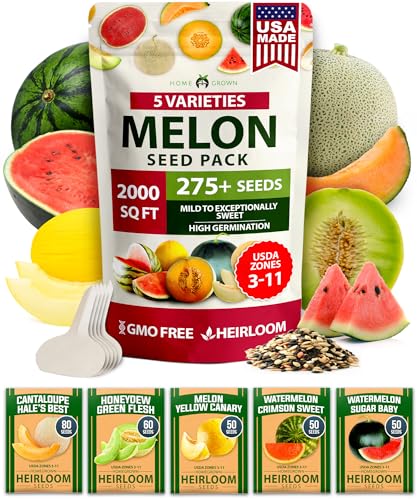
    HOME GROWN 5 Variety Melon Mix Seeds, 115+ Seeds, Cucumis melo/Citrullus | High Germination, Heirloom, Non-GMO | 115+ Seeds | 5 Varieties | Sugar Baby, Cantaloupe & Honeydew | Sweet & Juicy
    HOME GROWN 5 Variety Melon Mix Seeds, 115+ Seeds, Cucumis melo/Citrullus | High Germination, Heirloom, Non-GMO | 115+ Seeds | 5 Varieties | Sugar Baby, Cantaloupe & Honeydew | Sweet & Juicy

    5 Sweet Melons — premium dessert varieties with rich, juicy flavor. High-quality seeds from the latest harvest deliver productive plants with attractive, great-tasting fruits. Selected for sweetness, shelf life, and transportability. Adaptable to different climates and soils, helping you grow a rewarding harvest and enjoy fresh, gourmet-quality melons from your own garden.

    VIEW LATEST PRICE

    As an affiliate, we earn on qualifying purchases.

    Fruit Seeds, Watermelon Seeds, Melon Seeds, Fruit Seeds for Planting, Sweet Watermelon Seeds for Planting, Cantaloupe Seeds, Sugar Baby, Black Diamond, Charleston Grey, Hales Best, Green Honeydew
    Fruit Seeds, Watermelon Seeds, Melon Seeds, Fruit Seeds for Planting, Sweet Watermelon Seeds for Planting, Cantaloupe Seeds, Sugar Baby, Black Diamond, Charleston Grey, Hales Best, Green Honeydew

    Diverse Melon Varieties: Includes 5 distinct melon varieties—Honey Dew, Charleston Grey, Hales Best Jumbo, Sugar Baby, and Black Diamond; perfect for a bountiful and flavorful garden

    VIEW LATEST PRICE

    As an affiliate, we earn on qualifying purchases.

    Similar Growing Conditions

    Watermelon and cantaloupe thrive in similar growing conditions, making them suitable companions in the garden. Both fruits require warm temperatures, full sun exposure, well-draining soil, and adequate space for vine growth. By planting them together, you can optimize your garden space while providing the necessary environment for these fruits to flourish.

    Space Requirements

    While watermelon and cantaloupe have similar growing conditions, they do have distinct space requirements. Watermelons typically spread out more than cantaloupes, needing ample room for their vines to sprawl. On the other hand, cantaloupes have a more compact growth habit. When planting them together, ensure that you allocate enough space for each plant to prevent overcrowding and competition for resources.

    MUST READ
    Can You Plant Cantaloupe Seeds Successfully at Home? A Comprehensive Guide for Growing and Harvesting Delicious Melons

    By understanding the specific needs of watermelon and cantaloupe plants and providing appropriate care based on their requirements, you can successfully plant them together in your garden.

    Advantages of Planting Watermelon and Cantaloupe Together

    When planting watermelon and cantaloupe together, you can benefit from various advantages that enhance your garden’s productivity.

    Recommended Products

    100 Pieces Watermelon Nets Melon Hammocks, Reusable Cantaloupes Mesh Net Watermelon Nets with Drawstring for Growing Cantaloupe, Watermelon, Vegetables, Honeydew in Vertical Garden
    100 Pieces Watermelon Nets Melon Hammocks, Reusable Cantaloupes Mesh Net Watermelon Nets with Drawstring for Growing Cantaloupe, Watermelon, Vegetables, Honeydew in Vertical Garden

    Quality Material: Watermelon nets are made of strong nylon mesh material, drawstring design, reusable and not easy to break.

    VIEW LATEST PRICE

    As an affiliate, we earn on qualifying purchases.

    100Pcs Watermelon Nets,Melon Hammock Hanging Cantaloupes Support Net,Reusable Mesh Bags with Drawstring for Garden Fruits Vegetables Trellis Cradle,18 Inches
    100Pcs Watermelon Nets,Melon Hammock Hanging Cantaloupes Support Net,Reusable Mesh Bags with Drawstring for Garden Fruits Vegetables Trellis Cradle,18 Inches

    Package Includes:Contains 100pcs reusable watermelon nets,sufficient quantity for meeting your garden and planting needs

    VIEW LATEST PRICE

    As an affiliate, we earn on qualifying purchases.

    10 Packs Melon Cradles Trellis – Stable Fruit Support Stands to Keep Watermelons, Pumpkins & Cantaloupes Off Soil, Melon Holder Growing Frame Reusable Garden Plant Holders for Raised Beds & Backyard
    10 Packs Melon Cradles Trellis – Stable Fruit Support Stands to Keep Watermelons, Pumpkins & Cantaloupes Off Soil, Melon Holder Growing Frame Reusable Garden Plant Holders for Raised Beds & Backyard

    【Provides Protection for melon 】:Lift your watermelons, cantaloupes, small pumpkins, and other melons off damp ground for a cleaner, and moisture buildup after rain. Melon trellis Improved airflow around the plant helps support cleaner fruit and healthier watermelon, pumpkins, cantaloupes growth throughout the growing season

    VIEW LATEST PRICE

    As an affiliate, we earn on qualifying purchases.

    Pollination Benefits

    Watermelon and cantaloupe are both bee-pollinated fruits. By planting them in close proximity, you increase the chances of successful cross-pollination. This results in better fruit set and improved quality of the harvested produce.

    MUST READ
    Can Dogs Eat Cantaloupe Seeds Safely? A Guide to Dog-Friendly Fruit Snacks

    Pest Management

    Intercropping watermelon with cantaloupe can help in natural pest control. These two fruits have different pests they attract, thereby reducing the overall pest pressure on each crop. For example, planting marigolds alongside can act as a natural insect repellent for both plants, further aiding in pest management.

    Tips for Successful Companion Planting

    When planting watermelon and cantaloupe together, follow these essential tips for a successful garden.

    Recommended Products
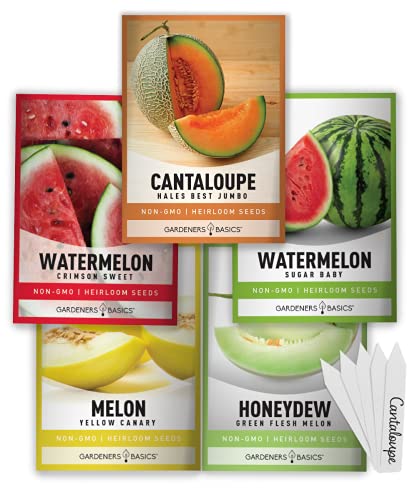
    Gardeners Basics Melon and Watermelon Seeds for Planting, 5 Heirloom Packs | Non-GMO Hales Best Jumbo cantaloupe, Green Flesh honeydew, Yellow Canary, Crimson Sweet and Sugar Baby with 5 plant markers
    Gardeners Basics Melon and Watermelon Seeds for Planting, 5 Heirloom Packs | Non-GMO Hales Best Jumbo cantaloupe, Green Flesh honeydew, Yellow Canary, Crimson Sweet and Sugar Baby with 5 plant markers

    Five melon varieties: Grow cantaloupe, honeydew, canary melon and two kinds of watermelon. This assortment offers different colors and flavors for fresh summer fruit from your garden.

    VIEW LATEST PRICE

    As an affiliate, we earn on qualifying purchases.

    50 Sugar Baby Watermelon Seeds for Planting - Heirloom Non-GMO USA Grown Premium Fruit Seeds for Planting a Home Garden - Small Watermelon Citrullus Lanatus by RDR Seeds
    50 Sugar Baby Watermelon Seeds for Planting - Heirloom Non-GMO USA Grown Premium Fruit Seeds for Planting a Home Garden - Small Watermelon Citrullus Lanatus by RDR Seeds

    Sugar Baby watermelons are small, sweet, and juicy

    VIEW LATEST PRICE

    As an affiliate, we earn on qualifying purchases.

    SVI 75 Sugar Baby Watermelon Seeds for Planting (Citrullus lanatus) – Sweet Watermelon, Heirloom Mini Watermelons – Fruit Seeds to Plant in Outdoor Garden & Large Containers
    SVI 75 Sugar Baby Watermelon Seeds for Planting (Citrullus lanatus) – Sweet Watermelon, Heirloom Mini Watermelons – Fruit Seeds to Plant in Outdoor Garden & Large Containers

    Sweet Personal Melons: Sugar Baby watermelon seeds produce 6–10 lb fruits about 6–8 inches across, with juicy red flesh and high sugar fresh fruit, giving fresh watermelon taste ideal as non gmo fruit snacks.

    VIEW LATEST PRICE

    As an affiliate, we earn on qualifying purchases.

    Soil Preparation

    Ensure your soil is well-draining and rich in nutrients. Mix compost or aged manure into the soil before planting to provide the necessary organic matter for healthy growth. Aim for a slightly acidic soil pH level between 6.0 and 6.8 to promote optimal nutrient uptake by your plants.

    MUST READ
    How to Grow Cantaloupe: Harvesting and Storing Tips for Delicious Homegrown Melons

    Watering Needs

    Both watermelon and cantaloupe require consistent watering, especially during hot summer months when they are actively growing and fruiting. Keep the soil consistently moist but not waterlogged to prevent root rot. Mulching around the base of the plants can help retain moisture in the soil and reduce evaporation, ensuring your plants receive adequate hydration throughout the growing season.

    Conclusion

    You’ve learned about the advantages of planting watermelon and cantaloupe together in your garden. By utilizing companion planting, you can enhance pest control, maximize space, and promote better pollination. Remember to prioritize soil quality by ensuring it’s well-draining and nutrient-rich with a slightly acidic pH level. Consistent watering is key to prevent root rot, while using mulch helps retain moisture for optimal growth. With these insights and care practices, you’re equipped to successfully cultivate a thriving garden with both watermelons and cantaloupes side by side. Happy gardening!

    Frequently Asked Questions

    Can watermelon and cantaloupe be grown together in a garden?

    Yes, watermelon and cantaloupe can be grown together in a garden. They make excellent companions as they have similar growing requirements and benefit from each other’s presence.

    What are the benefits of companion planting watermelon and cantaloupe?

    Companion planting watermelon and cantaloupe can help with pest control, space efficiency, and improved pollination due to intercropping these fruits.

    How can I ensure successful companion planting of watermelon and cantaloupe?

    To ensure successful companion planting, make sure to provide well-draining, nutrient-rich soil with slightly acidic pH levels. Consistent watering is crucial to prevent root rot, while using mulch helps retain moisture for optimal growth.

    Share. Facebook Twitter Pinterest LinkedIn Tumblr Email
    lucy smith
    Lucy Smith
    • Website

    Lucy Smith is a highly experienced horticulturist with a passion for fruit tree cultivation. She holds a degree in Horticulture from the University of California, Davis, and has worked in various roles in the industry. With over 10 years of experience, Lucy is dedicated to using eco-friendly methods for sustainable gardening practices.

    Related Posts

    Growing Cantaloupe in a Pot: Tips for Success in Small Spaces

    July 21, 2024

    How to Grow Sugar Cube Cantaloupe: A Comprehensive Guide for Successful Harvests

    July 21, 2024

    How Many Cantaloupe Seeds per Hole: Planting Tips for a Bountiful Harvest

    July 21, 2024

    What to Do with Cantaloupe Seeds: Creative Ways to Eat, Store, and Use Them

    July 21, 2024

    Can You Eat Cantaloupe Seeds? A Nutritional Guide and Safety Tips

    July 21, 2024

    How to Store Cantaloupe: Tips for Freshness and Longevity

    July 21, 2024
    Leave A Reply Cancel Reply

    Affiliate Disclosure

    As an Amazon Associate I earn from qualifying purchases.

    Recommended Reading

    What Fruit Trees Grow in Kansas: Best Varieties and Essential Care Tips for Success

    Why Nectarines Split on Trees in NZ: Causes, Prevention, and Best Practices

    Growing Mulberry Trees in New York (Upstate Soil and Winter Tips)

    Do plum trees like acidic soil?

    When Do White Mulberry Trees Fruit: A Guide to Timing and Harvesting Tips

    24 Cute Easy Knitting Projects That Bring Instant Joy 

    Can a Banana Tree Produce Fruit More Than Once: Tips for Maximizing Your Harvest

    What to Know Before Planting Fruit Trees to Ensure Healthy Growth and a Bountiful Harvest

    What Season Do Apple Trees Bear Fruit: A Comprehensive Guide to Timing and Care

    What Fruit Trees Grow in Pots: Your Guide to Creating a Mini Orchard at Home

    Fruit Tree Hub

    Fruit Tree Hub is a website dedicated to providing you everything you need to grow fruit trees successfully at in your own yard.

    Contact us at: [email protected]

    - AFFILIATE DISCLOSURE: As an Amazon Associate I earn from qualifying purchases.

    Latest Posts

    18 Coastal Crochet Tops in White and Neutral Shades

    16 Retro Crochet Tops Built Around Multicolor Granny Squares

    16 Modest Crochet Tops Featuring Higher Necklines

    19 Cottagecore Crochet Tops With Square Necklines

    13 Ruffled Crochet Tops With Flared Hems

    19 Lace Crochet Tops Featuring Intricate Openwork

    14 Floral Crochet Tops Inspired by Botanical Motifs

    20 Boho Crochet Halter Tops for Festival Outfits

    Categories
    • Almond Trees
    • Apple Trees
    • Apricot Trees
    • Best Fruit Trees
    • Blackberry
    • Cantaloupe
    • Cherry Trees
    • Christmas Crochet Ideas
    • Crochet Bag Ideas
    • Crochet Blanket Ideas
    • Crochet Dress Ideas
    • Crochet Ideas
    • Crochet Ideas for Beginners
    • Crochet Top Ideas
    • Cucamelon
    • Easy Crochet Ideas
    • Easy Knitting Projects
    • Fall Crochet Ideas
    • Fig Trees
    • Grapefruit Trees
    • Grapes
    • Guava Trees
    • Halloween Crochet Ideas
    • Honeydew
    • Jujube Trees
    • Kiwi
    • Knitting For Beginners
    • Knitting Ideas
    • Knitting Inspiration
    • Lemon Trees
    • Lime Trees
    • Loquat Trees
    • Mango Trees
    • Mulberry Trees
    • Nectarine Trees
    • Olive Trees
    • Orange Trees
    • Papaya Trees
    • Peach Trees
    • Pear Trees
    • Persimmon Trees
    • Planting
    • Plum Trees
    • Pomegranate Trees
    • Quince Trees
    • Raspberry
    • Reviews
    • Small Crochet Ideas
    • Star Fruit Trees
    • Summer Crochet Ideas
    • Tamarind Trees
    • Tangerine Trees
    • Tips and Advice
    • Tools
    • Uncategorized
    • Walnut Trees
    • Winter Crochet Ideas
    © 2026 Fruit Tree Hub
    • Home
    • About Us
    • Contact
    • Privacy Policy
    • Terms and Conditions
    • Disclaimer
    • Editorial Policy
    • Affiliate Disclosure

    Type above and press Enter to search. Press Esc to cancel.