

Have you ever dreamed of picking fresh fruit right from your backyard? Planting fruit trees can turn that dream into a reality, but it’s not as simple as just digging a hole and dropping in a seedling. There are important factors to consider that can make or break your success.
Key Takeaways
- Fresh Produce: Enjoy access to organic fruits right from your backyard, enhancing your diet and saving on grocery costs.
- Environmental Impact: Contribute positively to the environment by improving air quality and supporting local wildlife through biodiversity.
- Choosing the Right Trees: Select fruit trees based on climate and space requirements to ensure healthy growth and optimal fruit production.
- Soil Preparation: Conduct soil tests and ensure proper drainage to support robust growth and high-quality fruit harvests.
- Planting Techniques: Pay attention to planting depth and watering guidelines to promote healthy root development and establish strong trees.
- Consistent Maintenance: Regularly prune and manage pests to ensure the health of your fruit trees and maximize fruit yield.
Importance Of Planting Fruit Trees
Planting fruit trees offers numerous benefits, making it a rewarding endeavor for you and your environment.
1. Fresh Produce
Growing your own fruit means access to fresh, organic produce. Choose apple, peach, or cherry trees to enjoy ripe fruit right from your backyard. Nothing compares to the taste of a freshly picked fruit.
2. Environmental Benefits
Fruit trees contribute positively to the environment. They provide oxygen, improve air quality, and help combat climate change. For instance, a mature apple tree can absorb around 48 pounds of carbon dioxide annually.
3. Biodiversity
Fruit trees support local wildlife. They attract pollinators, such as bees and butterflies, which play a crucial role in the ecosystem. Planting a variety of fruit trees encourages a diverse habitat for birds, insects, and other creatures.
4. Aesthetic Appeal
Fruit trees enhance your landscape’s beauty, adding color and texture to your yard. During blooming season, the flowers create a stunning display that can boost your property’s curb appeal.
5. Economic Savings
Growing fruit trees can lead to significant savings on grocery bills. An average apple tree can produce up to 600 apples each year. By planting multiple fruit trees, you’ll reduce your need to purchase fruit at the store.
6. Educational Opportunities
Planting fruit trees offers valuable learning experiences for you and your family. Teaching children about gardening, sustainability, and food production fosters a deeper appreciation for nature and healthy eating habits.
7. Community Engagement
Joining a community garden or sharing excess harvests promotes connection with your neighbors. This interaction encourages cooperation and fosters relationships through shared experiences and knowledge.
By understanding the importance of planting fruit trees, you set the stage for a fruitful, rewarding gardening experience.
Choosing The Right Fruit Trees
Choosing the right fruit trees enhances your gardening success. Several factors impact your selection and start your fruit-growing journey on the right foot.
Recommended Products

Product Quantity: 180+ premium bonsai fruit seeds across 5 varieties; Individual packs contain 40+ apple, 40+ lemon, 40+ orange, 20+ blueberry, and 40+ cherry seeds; Perfect for starting a diverse miniature orchard


Climate Considerations
Climate significantly affects fruit tree growth. Different varieties thrive in specific temperature ranges and weather patterns.
- Consider hardiness zones. Fruit trees like apples and pears tolerate colder temperatures, while citrus trees prefer warmer climates.
- Check rainfall patterns. Trees like cherries require less water, whereas peaches may need more consistent moisture.
- Research local pests and diseases. Some varieties may be more resistant to regional problems.
Space Requirements
Space directly influences tree health and fruit production. Each tree has unique space needs, determining how many to plant.
- Evaluate mature sizes. Dwarf trees can grow in smaller yards, while standard trees demand more space between each.
- Plan for root spread. Ensure you allow adequate space for roots to develop. This prevents overcrowding, which can lead to reduced fruit yield.
- Consider tree density. A well-spaced orchard maximizes sunlight exposure and air circulation, contributing to healthier trees and better fruit quality.
Selecting the right fruit trees based on climate and space will lead to a fruitful gardening experience.
Soil Preparation And Care
Soil preparation is essential for successful fruit tree cultivation. Healthy soil supports growth and influences the quality of fruit produced.
Recommended Products

Quick, at home results for Soil pH, Nitrogen, Phosphorous and Potash Innovative and inexpensive soil test kit features an easy-to-use capsule system and patented color comparators

Kindly NOTE: This soil tester can not be applied to test pH value of any other liquid. If the soil is too dry the indicator will not move, and water it before testing.

KNOW BEFORE YOU GROW | Grow the healthiest, sustainable lawn and garden with the most accurate and easy to use professional soil test kit on the market
Soil Testing
Conduct soil testing before planting fruit trees. Testing reveals nutrient levels, pH, and soil composition. A pH between 6.0 and 7.0 suits most fruit trees. You can obtain a soil testing kit from local garden centers or extension services. Once you collect soil samples, follow the instructions to send them to a lab. Results help you amend the soil appropriately. For instance, if your soil is too acidic, you might need to add lime. Conversely, if it’s too alkaline, sulfur can lower the pH level.
Proper Drainage
Ensure your planting site has proper drainage. Standing water can harm roots and lead to disease. If your soil drains poorly, you can improve it by incorporating organic matter. Compost or well-rotted manure enhances soil structure and drainage. You can also plant trees on raised beds to improve drainage. Aim for a slope of at least 2% away from the planting site. Test the drainage by marking a hole, filling it with water, and checking how fast the water seeps away. A drainage time of less than 24 hours is ideal.
Consider using mulch around the base of your trees. Mulch retains moisture, suppresses weeds, and regulates soil temperature. Apply a layer of 2-4 inches of mulch, but keep it away from the trunk to prevent rot.
By preparing your soil and ensuring proper drainage, you lay a strong foundation for your fruit trees’ growth and productivity.
Planting Techniques
Planting fruit trees requires attention to detail to foster healthy growth. The right techniques can make a significant difference in the success of your trees.
Recommended Products
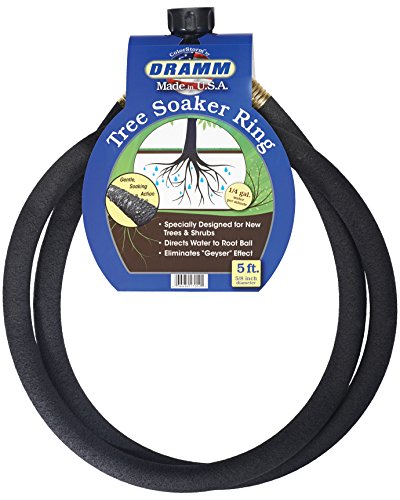
Thoroughly waters using 90% less water than conventional watering

GENTLE WATERING: Disperses water into a soft, even flow to protect delicate plants, seedlings, and soil from erosion and washout
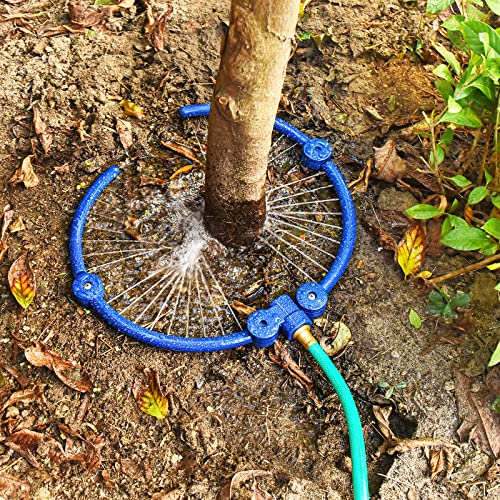
【Specially Designed for Trees and Shrubs】 The Watering Ring is a multi-purpose irrigation ring that attaches to a garden hose to efficiently water young trees shrubs vegetables or flower beds using drip or trickle irrigation.It directs water to the root perimeter of the plant to give them a good start during the first two growing seasons or through periods of drought.
Planting Depth
Plant at the correct depth for optimal root development. Dig a hole that’s about two times wider than the root ball but no deeper than necessary. Position the tree so that the graft union, where the tree trunk meets the root system, sits above the soil line. Planting too deep can suffocate the roots, while planting too high may expose them to air and drought.
Watering Guidelines
Water fruit trees immediately after planting to settle the soil around the roots. Use a slow, deep watering method to encourage deep root growth. For the first year, keep the soil consistently moist but not waterlogged. Water every 7 to 10 days, adjusting based on weather conditions. Once established, deep watering becomes essential during dry spells, as it helps roots anchor firmly. A good rule is to aim for 1 inch of water per week, either through rainfall or irrigation.
Maintenance Tips For Fruit Trees
Maintaining fruit trees involves consistent care and attention to ensure robust growth and fruitful yields. Following these tips can lead to a healthy, productive orchard.
Pruning Techniques
Pruning promotes healthier trees and increases fruit production.
- Timing: Prune during late winter or early spring before new growth starts.
- Remove Dead or Diseased Wood: Cut away branches that are dead, damaged, or diseased to prevent the spread of illness.
- Thin Out Crowded Branches: Reduce overcrowding to enhance sunlight penetration and air circulation. Aim for a balanced shape by removing any branches that compete with the central leader.
- Cut at an Angle: Make cuts at a slight angle to promote water drainage and reduce rot.
- Use Correct Tools: Employ sharp pruners, loppers, or saws. Clean tools before and after use to prevent disease transmission.
Pest And Disease Management
Managing pests and diseases protects your trees from damage and promotes healthy fruit production.
- Regular Inspections: Examine foliage and fruit regularly for signs of pests or disease, such as leaf discoloration or unusual spots.
- Integrated Pest Management (IPM): Utilize IPM strategies, combining biological, cultural, and chemical controls for effective pest management. Introduce beneficial insects like ladybugs to combat aphids naturally.
- Proper Spacing: Plant trees with adequate spacing to reduce humidity and improve airflow, which helps prevent fungal diseases.
- Organic Treatments: Apply organic pesticides or fungicides as needed. Neem oil works well on a variety of pests and diseases while being safe for beneficial insects.
- Maintain Soil Health: Healthy soil leads to resilient trees. Use organic matter and mulch around the base to support soil health and moisture retention.
By implementing these maintenance tips, you can nurture your fruit trees effectively, ensuring a bountiful harvest for years to come.
Conclusion
Growing your own fruit trees can be a rewarding journey filled with delicious rewards. By taking the time to understand their needs and your local environment you set yourself up for success.
Remember that patience is key as it can take time for your trees to bear fruit. With proper care and attention you’ll not only enjoy fresh produce but also contribute positively to your surroundings.
So grab your gardening gloves and get ready to cultivate a vibrant oasis in your backyard. Happy planting!
Frequently Asked Questions
What are the benefits of planting fruit trees in my backyard?
Planting fruit trees provides access to fresh, organic produce, enhances air quality, and supports local wildlife by attracting pollinators. This practice can also save money on grocery bills, offer educational opportunities for families, and create a sense of community through shared gardening experiences.
How do I choose the right fruit trees for my climate?
When selecting fruit trees, consider your local hardiness zone and rainfall patterns. Research which varieties thrive in your area, accounting for factors like growth habits, mature size, and susceptibility to local pests and diseases to ensure successful cultivation.
What factors should I consider before planting fruit trees?
Important factors include space requirements, soil preparation, climate suitability, and local pest challenges. Ensure you understand the specific needs of the tree variety you plan to plant to create the best environment for growth.
How can I prepare the soil for planting fruit trees?
Test your soil to check pH and nutrient levels, ensure proper drainage, and incorporate organic matter to enrich the soil. Preparing the soil properly lays a strong foundation for your fruit trees to thrive.
What are some essential techniques for planting fruit trees?
When planting, ensure the hole is deep enough for the root system, avoid planting too deeply, and follow watering guidelines to establish your trees. Proper planting techniques are crucial for encouraging healthy growth and productivity.
What maintenance do fruit trees require?
Fruit trees need consistent care, including regular watering, pruning, and pest management. Prune at the right time, remove any dead or diseased wood, and inspect regularly for pests and diseases to promote overall health and fruit production.
How do I prune my fruit trees effectively?
Timing is key when pruning; do it during dormancy. Remove dead or diseased branches and thin crowded areas for better light and airflow. Proper pruning techniques help improve tree structure and maximize fruit yield.
What should I do about pests and diseases affecting my fruit trees?
Regular inspection is vital to catch any pest or disease issues early. Implement integrated pest management strategies, ensure proper spacing, and consider organic treatments to keep your trees healthy and productive.
