

Have you ever wondered why your grapefruit tree seems to be losing its new fruit just as it starts to grow? Picture this: you eagerly anticipate the growth of fresh, juicy grapefruits, only to find them dropping off prematurely. Frustrating, isn’t it?
In this article, you’ll uncover the reasons behind your grapefruit tree shedding its new fruit. Understanding these factors can help you address the issue and ensure a bountiful harvest. Stay tuned to learn how to care for your grapefruit tree and prevent further fruit loss.
Key Takeaways
- Proper nutrition, watering practices, pest and disease management, environmental factors, pollination, and pruning are crucial in preventing fruit loss in grapefruit trees.
- Common reasons for fruit loss include improper pollination, environmental stress, nutrient deficiencies, pest infestation, disease outbreaks, and watering issues.
- Environmental factors such as sun exposure, temperature extremes, wind conditions, humidity levels, watering practices, and soil quality significantly impact fruit retention in grapefruit trees.
- Steps to address grapefruit tree fruit loss include assessing pollination, managing environmental stress, ensuring nutrient balance, controlling pests and diseases, optimizing watering practices, improving soil quality, and seeking professional advice.
Understanding Grapefruit Tree Fruit Loss
If you’re wondering why your grapefruit tree is losing new fruit, understanding the factors influencing fruit loss can help you address the issue effectively.
Importance of Proper Nutrition
Ensuring your grapefruit tree receives adequate nutrients is crucial in preventing fruit loss. Proper fertilization, including a balance of nitrogen, phosphorus, and potassium, promotes healthy fruit development. Inadequate nutrition can lead to fruit drop, so it’s essential to provide your tree with the nutrients it needs.
Watering Practices
Maintaining consistent and appropriate watering practices is key to preventing fruit loss in grapefruit trees. Inconsistent watering can stress the tree, leading to fruit drop. Ensure your tree receives sufficient water, especially during hot and dry periods, to support fruit retention.
Pest and Disease Management
Pests and diseases can also contribute to fruit loss in grapefruit trees. Regularly inspect your tree for pests such as citrus psyllids or diseases like citrus canker. Implementing appropriate pest control measures and disease management strategies can help safeguard your fruit crop.
Environmental Factors
Environmental conditions play a significant role in fruit retention. Factors such as extreme temperatures, strong winds, or inadequate sunlight can impact fruit development and lead to premature fruit drop. Providing optimal growing conditions for your grapefruit tree can help minimize fruit loss.
Pollination
Effective pollination is essential for fruit set in grapefruit trees. Insufficient pollination can result in poor fruit retention. Encouraging pollinators in your garden, such as bees, can improve pollination rates and enhance fruit development on your grapefruit tree.
Pruning and Thinning
Proper pruning and fruit thinning are crucial tasks to maintain fruit production in grapefruit trees. Overcrowded branches can hinder fruit growth, leading to fruit drop. Regular pruning and thinning help improve air circulation and light penetration, promoting healthy fruit retention.
By understanding these factors influencing fruit loss in grapefruit trees, you can take proactive steps to care for your tree effectively and maximize fruit yield. Remember to monitor your tree regularly, provide the necessary care, and create optimal growing conditions to prevent unnecessary fruit drop.
Common Reasons for Fruit Loss in Grapefruit Trees
When your grapefruit tree starts losing its new fruit prematurely, it can be disheartening. Several factors can contribute to this issue that you might want to consider. Here are some common reasons:
- Improper Pollination:
Inadequate pollination can lead to fruit drop in grapefruit trees. Bees and other pollinators play a crucial role in ensuring successful pollination. Without proper pollination, the fruits may not develop fully and could fall off prematurely. - Environmental Stress:
Extreme weather conditions such as frost, excessive heat, or drought can stress grapefruit trees, leading to the shedding of new fruit. Sudden changes in temperature or prolonged periods of adverse weather can impact fruit retention. - Nutrient Deficiencies:
If your grapefruit tree lacks essential nutrients like nitrogen, phosphorus, or potassium, it may not be able to support the growth of a healthy fruit crop. Ensuring proper fertilization and soil health is essential to prevent fruit loss. - Pest Infestation:
Pests such as citrus leaf miners, aphids, or mites can damage the new fruit on your grapefruit tree, causing it to drop prematurely. Regular monitoring and appropriate pest control measures can help protect your fruit crop. - Disease Outbreaks:
Fungal diseases like citrus canker or bacterial infections can affect the fruit production of grapefruit trees. It’s crucial to identify any signs of disease early on and take prompt action to prevent widespread damage and fruit loss. - Watering Issues:
Inconsistent watering practices, either overwatering or underwatering, can stress grapefruit trees and result in fruit drop. Maintaining a consistent watering schedule, especially during the critical growth stages, can help prevent fruit loss.
Understanding these common reasons for fruit loss in grapefruit trees can help you identify the potential issues affecting your tree’s fruit production. By addressing these factors proactively, you can improve the overall health of your grapefruit tree and increase the chances of a successful fruit harvest.
Recommended Products

For sale is one Ruby Red Grapefruit seedling that is approximately 2 to 5 inches tall and shipped in a pot

KILLS LISTED FRUIT & CITRUS TREE INSECTS: Controls Asian Citrus Psyllid, Whiteflies, Aphids Thrips, Citrus Leafminers, Leafhoppers, Blackfly, Mealybugs, Scales, Avocado Lacebugs, Oriental Beetles, Flea Beetles, Sharpshooters, and Spittlebugs

Fruit Protection Design: A thick foam pad at the bottom provides a soft landing for picked fruit, helping reduce impact and prevent damage or bruising during use. The large-capacity metal basket is designed to accommodate a variety of fruit sizes ranging from 1" to 6" in diameter, making it suitable for everyday backyard picking tasks. The claw-style design securely grips fruit for smooth and controlled picking, improving efficiency while minimizing drops.
Environmental Factors Affecting Fruit Retention
When it comes to why your grapefruit tree might be losing new fruit, considering the environmental factors at play is crucial. These aspects can significantly impact the tree’s ability to hold onto its fruit until harvest time.
Recommended Products

Accurate Soil Moisture Detection: The XLUX Soil Moisture Meter can tell you if the soil deep inside your pot or garden is dry, moist or wet; whereas your eyes and fingers can only determine the moisture level of the soil surface. The probe is 5.5 inches (14 cm) longer than regular styles, allowing it to measure the soil moisture at the bottom of larger and deeper flower pots.
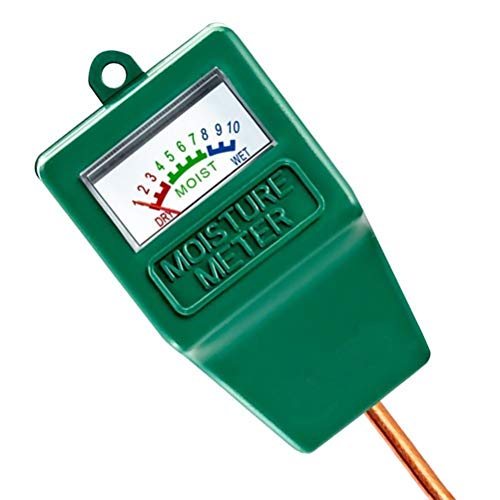
Soil Moisture Meter: This single probe soil moisture meter is specially designed for testing the moisture level in the soil, helps you decide whether the plants need water or not, helps to keep plants alive.

【4 in 1 function】This is a 4-in-1 multifunctional soil tester.Our soil tester fastly to measure soil moisture, pH, temperature and sunlight to help you take better care of flowers and plants.You can know when you need to water your soil by measuring moisture and pH & Temperature value of the soil and sunlight level of plants with it.
Sun Exposure
Positioning: Ensure your grapefruit tree is planted in an area that receives adequate sunlight, ideally around 10-12 hours a day. Inadequate sunlight can lead to fruit drop as the tree may not receive the energy it needs for proper fruit development.
Temperature Extremes
Heat Levels: High temperatures, especially above 90°F, can stress the tree and cause fruit to drop prematurely. On the flip side, sudden cold snaps, especially below 32°F, can also lead to fruit loss. Maintaining a stable temperature range is key.
Wind Conditions
Impact of Wind: Strong winds can physically damage the fruit or tree, leading to fruit drop. Consider planting windbreaks or providing some form of protection for the tree if wind exposure is a problem in your area.
Humidity Levels
Balancing Moisture: High humidity levels can increase the likelihood of fungal diseases that may cause fruit to drop. Ensure adequate air circulation around your grapefruit tree to reduce humidity levels and prevent issues.
Watering Practices
Correct Irrigation: Overwatering or underwatering can both result in fruit drop. Ensure your grapefruit tree receives consistent watering, keeping the soil moist but not waterlogged. Adjust watering based on weather conditions and tree age.
Soil Quality
Nutrient Availability: Poor soil quality lacking essential nutrients can affect fruit retention. Test the soil and amend it as needed to provide your grapefruit tree with the necessary nutrients for healthy fruit development.
Conclusion
Understanding and managing these environmental factors can significantly impact the fruit retention of your grapefruit tree. By ensuring the tree’s environment meets its needs for sunlight, temperature, wind protection, humidity levels, watering practices, and soil quality, you can help prevent premature fruit loss and improve the overall health of your tree.
How to Address Grapefruit Tree Fruit Loss
When your grapefruit tree is losing new fruit, it can be a concerning issue that needs your attention. Here are some practical steps you can take to address grapefruit tree fruit loss effectively:
Recommended Products

Quick, at home results for Soil pH, Nitrogen, Phosphorous and Potash Innovative and inexpensive soil test kit features an easy-to-use capsule system and patented color comparators

Accurate Soil pH Testing: Dewildetradingco Soil pH Test Strips offer measurements of soil pH levels (pH 3.5-9). As an essential tool for every gardener and grower, these test strips help determine the optimal pH for various plants, such as outdoor plants, indoor plants, gardens, grass lawns, fruit trees, flowers, vegetables, and forest shrubs.

KNOW BEFORE YOU GROW | Grow the healthiest, sustainable lawn and garden with the most accurate and easy to use professional soil test kit on the market
Assess Pollination:
Check if your grapefruit tree is receiving adequate pollination. Insufficient pollination can result in fruit drop. You can encourage pollination by introducing pollinator-friendly plants in your garden.
Manage Environmental Stress:
Protect your grapefruit tree from environmental stressors like extreme temperatures, strong winds, and high humidity levels. Provide adequate shade and wind protection to minimize stress on the tree.
Ensure Nutrient Balance:
Maintain a proper nutrient balance in the soil by conducting a soil test. Adjust the fertilization routine based on the results to ensure your grapefruit tree gets the necessary nutrients for healthy fruit development.
Control Pests and Diseases:
Regularly inspect your grapefruit tree for signs of pest infestation or disease. Implement appropriate pest control measures and treatments to prevent these issues from causing fruit loss.
Optimize Watering Practices:
Monitor your watering practices to ensure that your grapefruit tree gets sufficient water without being over-watered. Consistent and adequate watering is essential for fruit retention.
Improve Soil Quality:
Enhance the soil quality around your grapefruit tree by adding organic matter and mulch. Healthy soil provides the necessary support for the tree’s roots and overall growth, helping to reduce fruit loss.
Seek Professional Advice:
If you’re unsure about the cause of fruit loss in your grapefruit tree or need expert guidance, consider consulting a local arborist or horticulturist. They can provide personalized recommendations for your specific tree care needs.
By following these steps and actively managing the factors that contribute to fruit loss in your grapefruit tree, you can promote better fruit retention and overall tree health. Remember to observe your tree regularly and make adjustments as needed to support optimal fruit production.
Conclusion
You now have a better understanding of why your grapefruit tree may be losing new fruit. By implementing the practical steps discussed in this article, you can improve fruit retention and enhance the overall health of your grapefruit trees. Remember to assess pollination, manage environmental stress, maintain nutrient balance, control pests and diseases, optimize watering practices, improve soil quality, and seek professional advice when needed. Taking proactive measures to address these factors will help your grapefruit tree thrive and produce abundant, healthy fruit. Happy gardening!
Frequently Asked Questions
What factors can affect fruit retention in grapefruit trees?
Several factors can affect fruit retention in grapefruit trees, including nutrition, watering, pests, diseases, and pruning.
How can I address fruit loss in my grapefruit tree?
To address fruit loss in your grapefruit tree, consider assessing pollination, managing environmental stress, ensuring nutrient balance, controlling pests and diseases, optimizing watering practices, improving soil quality, and seeking professional advice.
Why is it important to manage these factors for better fruit retention?
Actively managing factors like pollination, nutrition, pest control, and watering can promote better fruit retention, enhance tree health, and ultimately increase the yield of grapefruit trees.
