

Have you ever wondered if you can grow fruit trees in sandy soil? If you live in an area with sandy ground, you might feel limited when it comes to gardening. But don’t worry—there’s hope!
Key Takeaways
- Sandy Soil Characteristics: Sandy soil offers excellent drainage and aeration, making it ideal for certain fruit trees, but poses challenges with low nutrient retention and potential water stress.
- Suitable Fruit Trees: Fruit trees such as peach, citrus, apple, and pear thrive in sandy conditions due to their adaptability to well-drained soil.
- Challenges in Cultivation: Key challenges include water stress, nutrient deficiency, soil erosion, and variable pH levels, all of which can impact tree health and growth.
- Soil Amendments: Enhance sandy soil quality by incorporating compost, well-rotted manure, and organic mulch to improve nutrient content and moisture retention.
- Effective Watering Techniques: Implement deep watering, drip irrigation, and a consistent watering schedule to ensure adequate moisture for fruit trees in sandy soil.
Overview of Sandy Soil
Sandy soil consists mainly of small grains of sand, making it well-draining. This quality benefits areas prone to heavy rainfall, where excess water runs off efficiently. Sandy soil has low nutrient content, which can pose challenges for fruit tree growth.
Characteristics of Sandy Soil
- Drainage: Sandy soil allows water to drain quickly. This property prevents root rot but may lead to water stress during dry periods.
- Aeration: Sandy soil provides excellent aeration for roots. Roots access oxygen easily, promoting healthy growth.
- Low Nutrient Retention: Sandy soil struggles to hold nutrients. It’s crucial to amend soil to support fruit tree health.
- Mulching: Apply organic mulch around trees. Mulch retains moisture and adds nutrients as it breaks down.
- Soil Amendment: Incorporate compost or well-rotted manure. These materials improve nutrient levels and retention.
- Irrigation: Implement a consistent watering schedule. Supplementing rainfall ensures trees receive adequate moisture.
By understanding sandy soil’s unique properties and making necessary adjustments, you can successfully grow fruit trees in such conditions.
Characteristics of Sandy Soil
Sandy soil has specific traits that influence its suitability for growing fruit trees. Understanding these characteristics helps you make informed gardening decisions.
Drainage and Aeration
Sandy soil excels in drainage and aeration. Its coarse texture allows water to flow quickly, reducing the risk of waterlogged roots. This rapid drainage prevents root rot, which is crucial for healthy tree growth. Trees like peaches and citrus thrive in these conditions. However, in prolonged dry spells, the quick drainage can lead to water stress for fruit trees. To mitigate this, consider adding organic matter like mulch to retain moisture near the roots and keep them hydrated during dry periods.
Nutrient Retention
Nutrient retention in sandy soil poses a challenge. With large particles and spaces between them, sandy soil lacks the ability to hold essential nutrients effectively. This means that trees planted in sandy soil may require more frequent fertilization. You might choose to incorporate compost or well-rotted manure into your soil to boost nutrient levels. This practice improves the soil’s overall fertility, providing your fruit trees with the nutrients they need to flourish. Regular soil testing can help you monitor nutrient levels and make adjustments as necessary.
Impact on Fruit Trees
Sandy soil presents unique challenges and advantages for growing fruit trees. Knowing how sandy soil affects these trees helps you make informed decisions for successful gardening.
Types of Fruit Trees Suitable for Sandy Soil
Certain fruit trees thrive in sandy soil due to its good drainage and aeration. Consider these options:
- Peach Trees: Peach trees prefer well-drained soil and flourish in sandy conditions.
- Citrus Trees: Citrus varieties like lemons and oranges thrive in sandy soil for similar reasons.
- Apple Trees: Many apple varieties tolerate sandy soil when given proper care.
- Pear Trees: Pear trees adapt well to sandy conditions, provided they receive adequate moisture.
These trees establish strong root systems, adapting well to the characteristics of sandy soil.
Challenges Faced by Fruit Trees
While growing fruit trees in sandy soil can be successful, several challenges can arise:
- Water Stress: Quick drainage often leads to dry conditions. Without regular watering, trees may struggle.
- Nutrient Deficiency: Sandy soil tends to lose nutrients rapidly. Regular fertilization using compost or organic matter is crucial.
- Soil Erosion: Loose textures may compromise soil stability, especially during heavy rains. Mulching helps prevent erosion.
- Variable pH Levels: Sandy soil can have fluctuating pH levels, impacting nutrient availability. Regular soil testing ensures balanced growth.
Understanding these challenges allows you to implement strategies for maintaining healthy fruit trees in sandy soil.
Best Practices for Growing Fruit Trees in Sandy Soil
Growing fruit trees in sandy soil can be successful with the right practices. Focus on enhancing soil quality and implementing appropriate watering techniques to support tree growth.
Recommended Products

【INNOVATIVE 2-IN-1 TREE CLEANING & ROOT WATERING SYSTEM】 This unique 6.5FT spray pipe system is specially designed to spray water directly onto fruits, leaves, and delicate ornamental trees, helping remove dust, pollen, and surface residue. The falling water then naturally soaks into the soil, providing efficient root irrigation at the same time
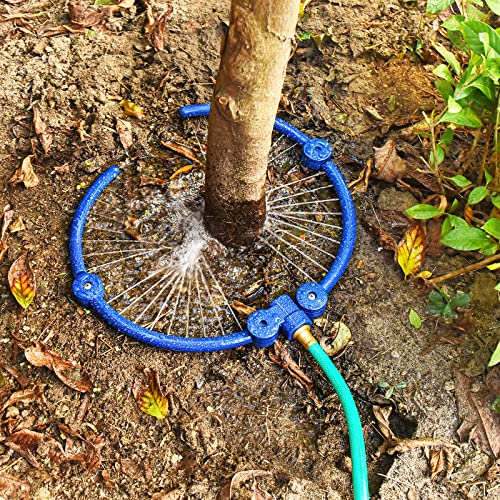
【Specially Designed for Trees and Shrubs】 The Watering Ring is a multi-purpose irrigation ring that attaches to a garden hose to efficiently water young trees shrubs vegetables or flower beds using drip or trickle irrigation.It directs water to the root perimeter of the plant to give them a good start during the first two growing seasons or through periods of drought.

Convenient and portable storage kit contains 102 professional grade universal Drip irrigation parts
Soil Amendments
Amending sandy soil promotes fertility and moisture retention.
- Compost: Incorporate compost into the planting area to boost nutrient levels. Aim for about 2 to 3 inches of compost mixed into the top layer of soil.
- Well-Rotted Manure: Use well-rotted manure to enrich sandy soil. Apply a layer of 1 to 2 inches around the base of fruit trees, ensuring it’s not in direct contact with the trunks.
- Organic Mulch: Apply organic mulch, like wood chips or straw, around the tree base. A layer of 3 to 4 inches helps retain moisture and suppress weeds.
- Cover Crops: Grow cover crops, such as clover or vetch, in off-seasons. These plants add organic matter and improve soil structure when tilled back into the ground.
Watering Techniques
Implementing proper watering techniques ensures fruit trees receive adequate moisture in sandy soil.
- Deep Watering: Water deeply and less frequently. Aim for soaking the root zone to a depth of 12 to 18 inches every 7 to 14 days, depending on rainfall.
- Drip Irrigation: Use drip irrigation systems to deliver water directly to root zones. This method reduces evaporation and provides consistent moisture.
- Rainwater Harvesting: Collect rainwater in barrels. Use this natural resource to supplement irrigation during dry spells, promoting sustainable practices.
- Watering Schedule: Establish a regular watering schedule. Monitor soil moisture and adjust frequency based on weather conditions and tree needs.
By following these best practices, you can grow healthy and productive fruit trees in sandy soil.
Conclusion
Growing fruit trees in sandy soil is definitely achievable with the right approach. You can enjoy the benefits of excellent drainage and aeration while nurturing your trees to thrive. By incorporating organic matter and maintaining a consistent watering schedule, you’ll help your trees combat the challenges that sandy soil presents.
Remember to choose fruit varieties suited for sandy conditions and stay proactive in monitoring soil health. With a little patience and care, you can create a fruitful garden that flourishes even in sandy environments. Happy gardening!
Frequently Asked Questions
Can I grow fruit trees in sandy soil?
Yes, you can grow fruit trees in sandy soil. Although sandy soil has excellent drainage, which can lead to moisture stress, fruit trees like peaches and citrus thrive in these conditions with proper care.
What are the characteristics of sandy soil?
Sandy soil is known for its excellent drainage, good aeration, and low nutrient retention. While it prevents root rot by allowing quick water drainage, it may require additional moisture management during dry spells.
How can I retain moisture in sandy soil?
To retain moisture in sandy soil, apply 2 to 4 inches of organic mulch. This helps minimize evaporation, reduces weed growth, and maintains stable soil temperatures.
What soil amendments should I use for fruit trees in sandy soil?
Incorporate compost or well-rotted manure to improve nutrient retention and fertility. Adding 2 to 3 inches of compost can significantly enhance soil quality for healthy fruit trees.
How often should I water fruit trees in sandy soil?
It’s recommended to deep water fruit trees every 7 to 14 days, depending on weather conditions. Using a drip irrigation system can help provide consistent moisture efficiently.
What fruit trees grow well in sandy soil?
Fruit trees like peaches, citrus, apples, and pears adapt well to sandy soil. Their root systems benefit from the soil’s drainage and aeration, making them ideal for these conditions.
What challenges does sandy soil present for fruit trees?
Sandy soil can lead to challenges such as water stress, nutrient deficiency, and soil erosion. Regular soil testing and proper amendments can help mitigate these issues.
How can I improve nutrient retention in sandy soil?
To improve nutrient retention, regularly add organic matter like compost and well-rotted manure, and frequently monitor nutrient levels through soil testing for adjustments.
