

Have you ever bitten into a juicy peach or a sweet cherry and wondered where those delicious fruits come from? Stone fruit trees are the source of these tasty treats, and they’re more fascinating than you might think. These trees produce fruits with a hard pit in the center, making them unique in the world of gardening and agriculture.
Key Takeaways
- Stone fruit trees belong to the genus Prunus, producing fruits like peaches, cherries, plums, and apricots, all characterized by their hard pits or “stones.”
- These trees are deciduous, typically growing between 10 to 30 feet tall, and showcase beautiful blossoms in spring, enhancing garden aesthetics.
- Successful cultivation requires full sun exposure, well-draining soil enriched with organic matter, and consistent watering to prevent root rot.
- Cross-pollination is beneficial for optimal fruit production, so consider planting multiple varieties nearby.
- Regular maintenance, including pruning, fertilization, and pest management, is crucial for healthy growth and high-quality fruit yield.
- Understanding the specific pests and diseases that affect stone fruit trees allows for proactive care and protection, ensuring a fruitful harvest.
Overview Of Stone Fruit Trees
Stone fruit trees belong to the genus Prunus, which includes species like peaches, cherries, plums, and apricots. These trees are known for their unique fruit, characterized by a hard pit or “stone” in the center, surrounded by juicy flesh.
Recommended Products

Let our professionally formulated plant food help your fruit tree grow healthy, strong AND abundantly producing


Characteristics of Stone Fruit Trees
Stone fruit trees typically share several traits:
- Deciduous Nature: These trees lose their leaves in the fall, promoting a seasonal growth cycle.
- Varied Heights: Some stone fruit trees grow up to 30 feet tall, while others remain compact, suitable for small spaces.
- Beautiful Blossoms: Many trees produce stunning flowers in spring, adding aesthetic value to gardens and orchards.
Popular Types of Stone Fruit Trees
Several popular types of stone fruit trees include:
- Peach Trees: Produce sweet, juicy peaches, often enjoyed fresh or in desserts.
- Cherry Trees: Yield both sweet and tart varieties, ideal for snacking or baking.
- Plum Trees: Offer a range of flavors, from sweet to tart, depending on the variety.
- Apricot Trees: Generate small, orange fruits, rich in vitamin A and excellent for preserves.
Growing Conditions
Successful cultivation of stone fruit trees requires specific conditions:
- Sunlight: These trees thrive in full sun, requiring at least six hours of direct sunlight daily.
- Soil Requirements: Well-draining soil rich in organic matter supports healthy growth.
- Water Needs: Consistent watering is essential, particularly during dry spells. Avoid waterlogging to prevent root rot.
Pollination Needs
Most stone fruit trees benefit from cross-pollination for optimal fruit production. Consider planting multiple varieties in proximity to ensure effective pollination.
Maintenance Tips
Maintain your stone fruit trees for healthy growth:
- Pruning: Regularly prune trees to remove dead or diseased branches and improve air circulation.
- Fertilizing: Apply balanced fertilizers in early spring to support growth during the growing season.
- Pest Management: Monitor for pests like aphids and scales. Implement organic pest control methods to protect plants.
Harvesting Tips
Harvest fruit when it’s ripe for the best flavor:
- Color Check: Look for vibrant color and a slight softness when gently squeezed.
- Taste Testing: Sampling fruits ensures they’re sweet and juicy before harvesting.
By understanding these key aspects, you’ll successfully cultivate and enjoy the bounty of stone fruit trees in your garden.
Characteristics Of Stone Fruit Trees
Stone fruit trees, known for their delicious fruits, exhibit distinct features that make them unique. Understanding their characteristics helps in effective cultivation and care.
Common Types Of Stone Fruits
Stone fruits encompass a variety of flavors and textures. Common types include:
- Peaches: Juicy and sweet, peaches thrive in warm climates. Their vibrant skin ranges from yellow to red.
- Cherries: These cherries can be sweet or tart, perfect for fresh eating or baking. They bloom early in spring.
- Plums: Known for their diverse colors, plums can be yellow, red, or purple. They offer a juicy and sweet flavor.
- Apricots: Small but flavorful, apricots are golden-orange and have a soft, velvety skin. They’re rich in vitamins A and C.
Growth Habit And Size
Stone fruit trees vary in growth habit and size. Most of them share certain traits:
- Deciduous Nature: These trees lose their leaves in winter, allowing them to conserve energy.
- Height Range: Typically, stone fruit trees stand between 10 to 30 feet tall. The size often depends on the variety and rootstock used.
- Canopy Shape: Many stone fruit trees develop a rounded or spreading canopy, providing ample shade during the growing season.
You can select the right type and size of tree based on your garden space and preferences. Understanding these traits will aid in successful planting and growing efforts.
Cultivation And Care
Cultivating stone fruit trees requires attention to specific conditions that promote healthy growth and optimal fruit production. Here’s what you need to know about soil, watering, and fertilization.
Recommended Products

Quick, at home results for Soil pH, Nitrogen, Phosphorous and Potash Innovative and inexpensive soil test kit features an easy-to-use capsule system and patented color comparators

KNOW BEFORE YOU GROW | Grow the healthiest, sustainable lawn and garden with the most accurate and easy to use professional soil test kit on the market

Kindly NOTE: This soil tester can not be applied to test pH value of any other liquid. If the soil is too dry the indicator will not move, and water it before testing.
Soil Requirements
Stone fruit trees thrive in well-draining soil rich in organic matter. Aim for a slightly acidic to neutral pH range of 6.0 to 7.0. When planting, consider these tips:
- Loamy Soil: Select loamy soil for ideal moisture retention and drainage.
- Amendments: Incorporate compost or well-rotted manure to boost nutrient levels and improve soil structure.
- Testing: Test your soil before planting to adjust pH or nutrient deficiencies as necessary.
Watering And Fertilization
Maintaining the right moisture levels and nutrients ensures healthy growth in stone fruit trees. Follow these guidelines:
- Watering: Water deeply but infrequently. Aim for 1 to 2 inches of water per week, especially during dry spells.
- Mulching: Apply mulch around the base to retain soil moisture and suppress weeds.
- Fertilization: Use a balanced fertilizer in early spring. Follow the package instructions for the specific amount based on your tree’s age and size.
- Organic Options: Consider organic fertilizers like bone meal or fish emulsion for additional benefits.
Adhering to these cultivation practices supports the health and productivity of your stone fruit trees.
Pests And Diseases
Stone fruit trees face various pests and diseases that can impact their health and fruit production. Knowing these threats helps maintain healthy trees and ensures a fruitful harvest.
Recommended Products

READY-TO-USE CONTACT SPRAY: No mixing required. Thoroughly spray insecticide on all plant parts, including the underside of leaves. Pests must be sprayed directly to achieve control

Control diseases and insects in your garden with Captain Jack’s Fruit Tree Spray Concentrate! Use on a variety of listed fruits, nuts and citrus plants.
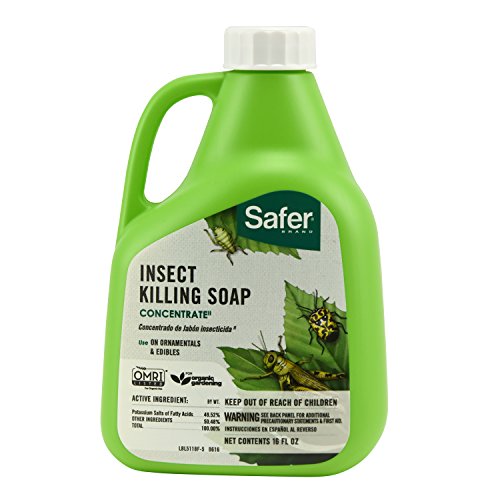
GENTLE ON MOST PLANTS - This aphid spray is ideal for use on flowers, herbs, vegetables, houseplants, lawn, tree, shrubs, and more
Common Pests
- Peach Tree Borer: This pest targets peach and plum trees. You can identify it by the presence of sawdust around the base of the tree. Control involves applying insecticides specifically designed for borers and ensuring good tree health.
- Aphids: These small, soft-bodied insects gather on new shoots and leaves. They weaken trees by sucking sap. To manage aphids, you can spray them off with water or use insecticidal soap to eliminate them.
- Spider Mites: These pests thrive in hot, dry conditions and cause leaf discoloration and premature drop. Control them by increasing humidity around the trees and using miticides if necessary.
- Scale Insects: These pests appear as small, shell-like structures on branches and leaves, feeding on tree sap. You can remove them manually or use horticultural oils as a preventive measure.
- Codling Moth: Common in apples and sometimes in stone fruits, this moth’s larvae cause fruit damage. Orchard sanitation, such as removing fallen fruit, and applying pheromone traps help minimize infestations.
- Brown Rot: This fungal disease affects fruit and blossoms, leading to decay. Prevent brown rot by providing adequate air circulation, removing infected fruits, and applying fungicides during bloom.
- Leaf Curl: Primarily affecting peach trees, leaf curl causes deformities in new leaves. To manage this, apply fungicides in late winter before buds swell and ensure good tree care throughout the season.
- Powdery Mildew: This fungal disease shows as a white powdery substance on leaves. Improve air circulation, avoid overhead watering, and apply fungicides to prevent its spread.
- Phytophthora Root Rot: This soil-borne disease causes root decay and can be fatal. Ensure well-draining soil, practice crop rotation, and avoid overwatering to minimize risk.
- Bacterial Spot: This disease affects leaves and fruit, causing small, dark lesions. Remove infected leaves and fruits, and apply appropriate bactericides when necessary to control the spread.
Proactive pest and disease management protects your stone fruit trees, ensuring vibrant growth and a healthy harvest. Regular monitoring and care significantly contribute to maintaining their health.
Conclusion
Growing stone fruit trees can be a rewarding experience that brings beauty and delicious fruit to your garden. By understanding their unique needs and characteristics you can create an environment where these trees thrive.
With proper care and attention you’ll not only enjoy stunning blossoms in spring but also savor the sweet fruits of your labor. Whether you choose peaches cherries plums or apricots there’s a world of flavor waiting for you.
So roll up your sleeves and dive into the joys of cultivating stone fruit trees. Your garden will thank you with every juicy bite!
Frequently Asked Questions
What are stone fruit trees?
Stone fruit trees are plants belonging to the genus Prunus, which produce fruits with a hard pit or “stone” in the center. Common examples include peaches, cherries, plums, and apricots. These trees are known for their beautiful blossoms and delicious fruit.
How tall do stone fruit trees grow?
Stone fruit trees can range in height from 10 to 30 feet, depending on the species and growing conditions. Their size and canopy shape can vary, making them suitable for different garden spaces.
What are the ideal growing conditions for stone fruit trees?
Stone fruit trees thrive in well-draining soil rich in organic matter, with a slightly acidic to neutral pH. They require ample sunlight, consistent watering, and benefit from mulching and appropriate fertilization for optimal growth.
Why is cross-pollination important for stone fruit trees?
Cross-pollination enhances fruit production and quality in stone fruit trees. Many varieties require pollen from another tree to produce fruit effectively, which leads to better yields and larger, tastier fruits.
What pests and diseases affect stone fruit trees?
Common pests include peach tree borers, aphids, and spider mites. Diseases like brown rot and leaf curl can also impact tree health. Regular monitoring and proper management strategies are crucial for protecting your trees.
How do I care for stone fruit trees?
Care includes regular pruning, applying balanced fertilizers, and managing pests and diseases. Ensure deep but infrequent watering and use mulch to retain soil moisture. Effective maintenance promotes healthy growth and abundant fruit production.
When is the best time to harvest stone fruits?
The best time to harvest stone fruits is when they reach full color and taste sweet. Testing for flavor is essential, as fruits picked at the right time offer the best quality and enjoyment.
