

Imagine strolling through your backyard in Vermont, envisioning a landscape filled with flourishing fruit trees that thrive in your region’s unique climate. Do you find yourself wondering which fruit trees would be the perfect fit for your garden? Picture the delight of harvesting your own fresh, juicy fruits right at home.
In Vermont, selecting the right fruit trees can make all the difference in your gardening success. From apples to cherries, certain varieties are better suited to Vermont’s colder winters and shorter growing season. Discovering the best fruit trees for Vermont can transform your garden into a fruitful oasis, providing you with a bountiful harvest and a picturesque setting to enjoy throughout the seasons.
Key Takeaways
- Select fruit trees like Apple, Cherry, Plum, Pear, Peach, and Apricot that thrive in Vermont’s climate for a successful garden.
- Consider factors such as climate compatibility, soil quality, sunlight exposure, pollination needs, space, and disease resistance before planting fruit trees.
- The top five fruit trees recommended for Vermont are Apple, Cherry, Plum, Pear, and Peach, ensuring a bountiful harvest.
- Proper planting, care, and maintenance techniques include selecting the right location, watering, mulching, pruning, fertilizing, and pest management.
Best Fruit Trees for Vermont
When selecting fruit trees for your Vermont garden, you want varieties that thrive in the state’s climate. Here are some top choices that do well in Vermont’s colder winters and shorter growing season:
Recommended Products

Each offer includes one plant grown in a 4 inch pot


Produces sweet, juicy mulberries
Apple Trees
Apple trees are a popular choice for Vermont due to their versatility and hardiness. Varieties like Honeycrisp, McIntosh, and Liberty are well-suited to the state’s climate. They offer a range of flavors and are ideal for snacking, baking, and making cider.
Cherry Trees
Sour cherry trees, such as Montmorency, are excellent options for Vermont. These trees produce tart fruit that is great for pies, jams, and preserves. Sweet cherry varieties like Kristin and BlackGold can also thrive in Vermont with proper care.
Plum Trees
European plum trees, including Stanley and Italian varieties, can do well in Vermont. They produce delicious fruit that can be enjoyed fresh or used in cooking. Japanese plum trees like Methley and Santa Rosa are other options to consider.
Pear Trees
Pear trees like Bartlett and Bosc can flourish in Vermont’s climate. They provide sweet and juicy fruit for fresh eating, canning, or baking. Asian pear varieties like Hosui and Shinko are also suitable for Vermont gardens.
Peach Trees
While peaches can be more challenging in Vermont, some cold-hardy varieties can succeed with proper care. Look for cold-tolerant types like Reliance and Contender that can withstand the state’s winter conditions.
Apricot Trees
Apricot trees, such as Harcot and Tilton, can be grown in Vermont, although they may require additional protection during colder months. Their delicious fruit is worth the effort for apricot lovers.
By choosing the best fruit trees for Vermont’s specific climate, you can enjoy a bountiful harvest of fresh, flavorful fruit right from your own backyard. Selecting varieties that are well-suited to the state’s conditions ensures a successful and rewarding gardening experience.
Factors to Consider Before Planting
When selecting fruit trees for your Vermont garden, it’s crucial to consider various factors that can impact the success and productivity of your orchard. By evaluating these aspects beforehand, you can ensure that you choose the right fruit trees that will thrive in Vermont’s climate and provide you with a bountiful harvest. Here are some key factors to consider before planting:
Climate Compatibility
Check the hardiness zone of the fruit tree varieties you’re considering to ensure they can withstand Vermont’s cold winters and shorter growing season. Opt for trees that are resilient to frost and can thrive in cooler temperatures typical of Vermont.
Soil Quality
Evaluate the soil composition in your garden to determine if it’s suitable for the fruit trees you plan to plant. Fruit trees require well-draining soil with good fertility levels to support healthy growth and fruit production. Consider conducting a soil test to assess nutrient levels and pH balance.
Sunlight Exposure
Ensure that the planting location for your fruit trees receives an adequate amount of sunlight. Most fruit trees require full sun to thrive and develop fruits. Evaluate the sunlight patterns in your garden throughout the day to select the best spot for planting your trees.
Pollination Needs
Determine the pollination requirements of the fruit tree varieties you wish to plant. Some fruit trees are self-pollinating, while others require cross-pollination with another compatible variety. Be aware of the pollination needs of each tree to ensure proper fruit set and high yields.
Space and Spacing
Consider the mature size of the fruit trees you’re planting to provide adequate spacing between each tree. Proper spacing not only prevents overcrowding but also allows for optimal air circulation and sunlight exposure, reducing the risk of diseases and ensuring healthy tree growth.
Disease Resistance
Select fruit tree varieties that are resistant to common diseases and pests prevalent in Vermont. Disease-resistant trees are easier to care for and require less maintenance, resulting in a healthier orchard and higher fruit yields.
By carefully considering these factors before planting fruit trees in your Vermont garden, you can set yourself up for a successful and fruitful harvest. Choose varieties that align with Vermont’s climate and environmental conditions to enjoy a thriving orchard for years to come.
Top 5 Fruit Trees for Vermont
When selecting fruit trees for your garden in Vermont, it’s crucial to choose varieties that can thrive in the state’s unique climate and growing conditions. Here are the top five fruit trees that are well-suited for Vermont:
Recommended Products

More than 50 years of research has gone into developing cherry trees with cold hardiness, dwarf stature and good fruit quality.
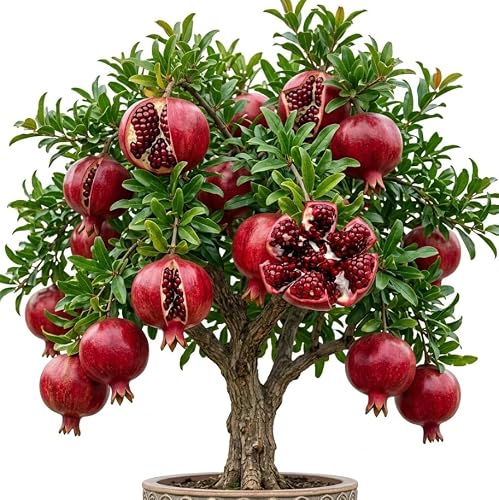
Each order includes a live red pomegranate plant, carefully grown and ready to thrive in your garden or home.

🍇 Sweet, Medium-Sized Figs – Rich flavor with glossy dark purple skin and vibrant interior.
1. Apple Trees
Apple trees are a classic choice for Vermont due to their adaptability to cold temperatures. Varieties like McIntosh, Honeycrisp, and Empire are popular in Vermont and are known for their delicious fruits. Apple trees require well-drained soil and full sun for optimal growth.
2. Cherry Trees
Sour cherry trees, such as Montmorency, and sweet cherry trees like Bing, are excellent options for Vermont’s climate. Cherry trees need good air circulation and fertile, well-drained soil. They also benefit from cross-pollination, so consider planting more than one tree for a better harvest.
3. Plum Trees
European plum trees like Italian Prune and Stanley are well-suited for Vermont’s cooler temperatures. Plum trees thrive in loamy soil with good drainage and plenty of sunlight. They are self-fruitful but may produce better with cross-pollination.
4. Pear Trees
Pear trees, such as Bartlett and Anjou, are ideal for Vermont’s climate. They prefer slightly acidic, well-draining soil and full sun. Pear trees are partially self-fruitful but will yield larger harvests when planted near another pear tree for cross-pollination.
5. Peach Trees
While Vermont’s climate can be challenging for peach trees, cold-hardy varieties like Reliance and Contender can succeed with proper care. Peach trees need well-drained soil, protection from late frosts, and ample sunlight. Consider planting peaches in a warm and sheltered location.
By choosing these top five fruit trees for your Vermont garden, you can enjoy a bountiful harvest of delicious fruits that are well-suited to the state’s climate and growing conditions. Remember to consider factors like soil quality, sunlight exposure, and pollination needs when planting fruit trees for a successful and fruitful garden.
Planting and Care Tips
Planting fruit trees in Vermont requires attention to detail and proper care to ensure a bountiful harvest. Here are essential tips to help you successfully grow and maintain your fruit trees in Vermont’s climate:
Selecting the Right Location
Choose a sunny area with well-draining soil for your fruit trees. Ensure the location is not prone to frost pockets to protect your trees from frost damage during cold winters. Adequate sunlight is crucial for fruit tree growth and fruit production.
Planting Your Fruit Trees
Plant your trees in the spring after the ground thaws but before bud break. Dig a hole twice as wide as the root ball and slightly shallower than the root ball’s height. Gently loosen the roots before planting and water thoroughly after planting to help the tree establish a strong root system.
Watering and Mulching
Keep your fruit trees well-watered, especially during hot, dry periods. Mulch around the base of the tree to retain moisture, suppress weeds, and regulate soil temperature. Avoid overwatering, as it can lead to root rot.
Pruning and Training
Regular pruning is essential to promote healthy growth and fruit production. Prune your fruit trees in late winter to early spring while the tree is dormant. Train young trees by shaping them to encourage a strong framework of branches.
Fertilizing Your Trees
Fertilize your fruit trees in early spring before bud break using a balanced fertilizer to provide essential nutrients for growth. Avoid over-fertilizing, as it can harm the tree and may lead to excessive vegetative growth at the expense of fruit production.
Pest and Disease Management
Monitor your fruit trees regularly for signs of pests and diseases. Implement preventive measures such as dormant oil sprays and sticky traps to control pests. Choose disease-resistant varieties when planting to reduce the risk of infections.
By following these planting and care tips, you can enjoy a fruitful harvest from your fruit trees in Vermont. Remember to stay consistent with maintenance tasks and adjust care practices based on the specific needs of each fruit tree variety you have planted.
Conclusion
You’ve now discovered the best fruit trees for your Vermont garden. Choosing varieties that thrive in the state’s climate is essential for a successful harvest. From apples to cherries, plums to pears, peaches to apricots, there are plenty of options suited for Vermont’s conditions. Consider factors like climate compatibility, soil quality, sunlight exposure, and pollination needs before planting. By selecting the right location, practicing proper planting techniques, and providing adequate care, you can ensure healthy growth and abundant fruit production. With varieties like McIntosh apples, Montmorency cherries, Italian Prune plums, Bartlett pears, and Reliance peaches, your Vermont garden will soon be flourishing with delicious fruits. Happy gardening!
Frequently Asked Questions
What are the best fruit trees to plant in a Vermont garden?
Select fruit trees like apples, cherries, plums, pears, peaches, and apricots that thrive in Vermont’s climate with cold winters and a short growing season.
What factors should I consider before planting fruit trees in Vermont?
Consider climate compatibility, soil quality, sunlight exposure, pollination needs, space requirements, and disease resistance before planting fruit trees in Vermont.
Can you recommend specific varieties for each type of fruit tree in Vermont?
Popular varieties include McIntosh and Honeycrisp apples, Montmorency and Bing cherries, Italian Prune and Stanley plums, Bartlett and Anjou pears, and Reliance and Contender peaches.
How can I ensure a successful harvest when planting fruit trees in Vermont?
Select the right location, use proper planting techniques, water adequately, mulch, prune, fertilize, and manage pests and diseases to ensure healthy growth and fruit production in Vermont.
