

Growing peach trees in Virginia’s Piedmont region requires attention to soil conditions and climate specifics. Selecting disease-resistant varieties and implementing proper care techniques will enhance fruit yield and tree health.
Soil Requirements for Peach Tree Success
Understanding the soil requirements is crucial for successfully growing peach trees in Virginia’s Piedmont region. The right soil composition not only supports healthy root development but also influences the overall vitality and fruit production of the trees. This section delves into the specific soil characteristics that promote optimal growth for peach trees in this unique climate.
Peach trees thrive in well-drained, loamy soil with a pH between 6.0 and 7.0. Testing your soil before planting is essential to determine nutrient levels and acidity. Amendments may be necessary to optimize conditions for growth.
| Soil Type | pH Level | Nutrient Requirements |
|---|---|---|
| Sandy Loam | 6.0-7.0 | Moderate |
| Clay Loam | 6.0-7.0 | High |
| Silty Loam | 6.0-7.0 | Moderate |
Ensure you test your soil using a reliable kit and amend it based on the results. This foundational step sets the stage for healthy peach tree development.
Best Peach Varieties for Virginia’s Climate
Selecting the right peach varieties is crucial for successful cultivation in Virginia’s unique climate. The Piedmont region, with its specific soil and weather conditions, favors certain types of peaches that thrive and produce abundant fruit. Understanding these varieties will help growers make informed choices for a fruitful harvest.
Choosing the right varieties is crucial for successful peach cultivation. Certain varieties are more suited to Virginia’s climate and are resistant to local diseases. Consider the following options:
Redhaven: A popular freestone variety known for its flavor and hardiness.
Elberta: A classic choice with excellent taste and adaptability.
Contender: A late-season variety that withstands cold temperatures well.
Research each variety’s growth habits and disease resistance before making a selection. This will ensure your trees are better equipped to thrive in local conditions.
Recommended Products

Mature Height: Reaches 15-20 feet at maturity, providing a substantial fruit-bearing tree for your garden or orchard space

Planting and Care Instructions: Plant in well-drained, sandy-loam soil with full sun exposure. Regular watering, especially during dry periods, is crucial for fruit development. Pruning in late winter helps shape the tree and maintain air circulation. Apply a balanced fertilizer in spring

Effective Planting Strategies for Peach Trees
When planting peach trees in Virginia’s Piedmont region, understanding the local climate and soil conditions is crucial for success. Effective strategies can significantly enhance growth and fruit yield, ensuring that your peach trees thrive in this unique environment. This section outlines practical approaches tailored to the specific needs of peach cultivation in the area.
Proper planting techniques can significantly impact the success of your peach trees. Follow these steps to ensure optimal growth:
Choose a sunny location: Peach trees require full sun for at least six hours daily.
Dig a wide hole: Make the hole twice as wide as the root ball to promote healthy root expansion.
Position the tree: Place the tree so the graft union is above soil level.
Water thoroughly: After planting, water the tree deeply to establish roots.
These steps will help your peach trees establish themselves quickly and effectively.
Recommended Products
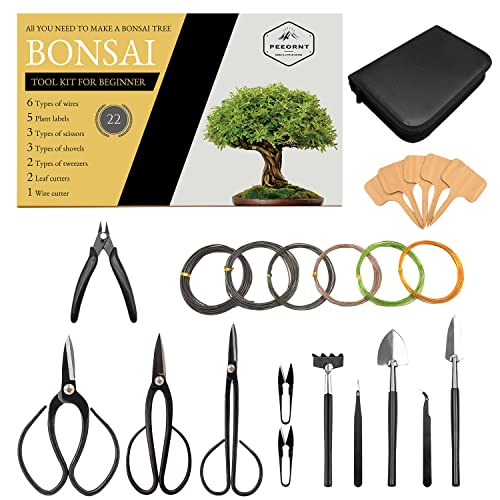
EVERYTHING YOU NEED TO START BONSAI - The bonsai tree kit includes 3 x bonsai scissor, 2 x leaf cutters, 2 x tweezers, 3 x soil shovels/rakes, 6 x bonsai training wires, 1 x wire cutter, 5 x bamboo plant markers. Start your bonsai journey with our bonsai kit.

Various Bonsai Tools: This bonsai helper set including 3 bonsai pruning scissors, 1 folding scissors, 1 rake, 2 spades and 1 pair of tweezers. The combination of various tools allows you to take better care of plants.

【An Essential Bonsai Kit】The Bonsai Trees Kit includes 1x Portable Gardening Mat(29.5"x29.5"), 4x Bonsai Wire with Cutter(Total 262 Feet), 1 x Big Bonsai Scissors, 1x Straight Scissors, 1x Pruning Shears, 2x Leaf Cutters, 1x Mini Wide Shovel, 1x Mini Shovel, 1x Mini Rake, 1x Brush, 4x Tweezers, 1x Bucket Shovel, 1x Organizer Bag. Owning this perfect bonsai tree kit is the beginning of your bonsai journey. Ideal gifts for women and men.
Peach Tree Maintenance Guidelines for Virginia
Maintaining healthy peach trees in Virginia’s Piedmont region requires attention to specific cultural practices and environmental conditions. This section outlines essential guidelines for pruning, watering, and pest management to ensure optimal growth and fruit production. By following these maintenance strategies, growers can enhance the vitality of their peach trees and improve their overall yield.
Regular maintenance is vital for healthy peach trees. Implement the following care routine:
Watering: Provide deep watering every week during dry spells.
Fertilizing: Use a balanced fertilizer in early spring to promote growth.
Pruning: Prune annually to remove dead or crossing branches and shape the tree.
Seasonal Care Tasks for Peach Trees
Caring for peach trees in Virginia’s Piedmont region requires attention to seasonal tasks that promote healthy growth and fruit production. Each season presents unique challenges and opportunities, from pruning in winter to managing pests in summer. Understanding these seasonal care tasks is essential for successful peach cultivation in this specific climate.
| Season | Task | Frequency |
|---|---|---|
| Spring | Fertilize | Annually |
| Summer | Water deeply | Weekly |
| Fall | Prune | Annually |
| Winter | Inspect for pests | Monthly |
This routine will help maintain tree vigor and fruit production.
Pest and Disease Management for Peach Trees
Managing pests and diseases is crucial for the health and productivity of peach trees in Virginia’s Piedmont region. This section delves into the common threats faced by peach growers and offers practical strategies to mitigate these challenges, ensuring a thriving orchard and a bountiful harvest. Understanding these factors is essential for successful cultivation in this unique climate.
Vigilance against pests and diseases is critical for peach tree health. Common threats include:
Peach Tree Borer: A larvae that burrows into the trunk.
Brown Rot: A fungal disease affecting fruit.
Leaf Curl: A disease that causes leaves to curl and distort.
Regularly inspect your trees for signs of trouble. Early detection allows for timely intervention.
Recommended Products

Control diseases and insects in your garden with Captain Jack’s Fruit Tree Spray Concentrate! Use on a variety of listed fruits, nuts and citrus plants.

TRIPLE PROTECTION FORMULA: 3-in-1 solution kills listed insects, controls listed diseases, and controls listed mites with one easy application

Peach Harvest Timing and Techniques
Understanding the optimal timing and techniques for harvesting peaches is crucial for growers in Virginia’s Piedmont region. This section delves into the specific indicators of peach ripeness, the best practices for picking, and methods to ensure the fruit maintains its quality post-harvest. By following these guidelines, growers can maximize both yield and flavor.
Once your peach trees bear fruit, knowing when and how to harvest is essential. Look for the following signs:
Color Change: Peaches should develop a rich color.
Firmness: Gently squeeze the fruit; it should give slightly.
Aroma: Ripe peaches emit a sweet fragrance.
Use clean, sharp tools to harvest the fruit without damaging the tree. Enjoy the fruits of your labor fresh or in recipes.
Piedmont Peach Tree Cultivation Tips
Cultivating peach trees in Virginia’s Piedmont region requires specific strategies to thrive in the local climate and soil conditions. Understanding the unique challenges and opportunities of this area will help you maximize fruit production and ensure healthy tree growth. Here are some essential tips tailored for successful peach tree cultivation in the Piedmont.
Growing peach trees in Virginia’s Piedmont region is rewarding with the right knowledge and techniques. Focus on soil conditions, variety selection, and ongoing care to ensure a bountiful harvest.
