

Curious if raspberries can thrive in shady spots? Picture this: you’ve found the perfect corner in your garden, but it doesn’t get much sunlight. Can raspberries still flourish there? In this article, we explore the possibility of growing raspberries in shade and share tips to help you make the most of your garden space.
Wondering if your shaded garden areas can support raspberry growth? You’re not alone. Many gardening enthusiasts face this dilemma. By the end of this read, you’ll have a clearer understanding of whether raspberries can indeed prosper in less sunny environments.
Excited to discover how to maximize your garden’s potential with raspberries, even in shady nooks? Let’s dive into the world of raspberry cultivation and shed light on growing these delicious berries in less-than-ideal lighting conditions.
Key Takeaways
- Raspberry plants thrive in full sunlight, requiring at least 6-8 hours of direct sunlight daily for optimal growth and abundant fruit yield.
- Growing raspberries in shady areas can impact fruit production, with excessive shade leading to reduced photosynthesis and smaller fruits.
- Different raspberry varieties have varying degrees of shade tolerance, with heritage raspberries known for thriving in low-light environments.
- Best practices for growing raspberries in shaded areas include choosing spots with at least 4-6 hours of dappled sunlight, pruning bushes regularly, applying organic mulch, monitoring soil moisture levels, providing balanced fertilizer, and selecting shade-tolerant varieties.
- Alternative berry plants like blueberries, currants, gooseberries, and elderberries can also thrive in shady gardens, offering diversity and fresh fruits even in low light conditions.
Understanding Raspberry Plant Requirements
When considering growing raspberries, it’s essential to understand the specific needs of these plants. Here’s what you should know about the requirements for raspberry plants:
Recommended Products

Kindly NOTE: This soil tester can not be applied to test pH value of any other liquid. If the soil is too dry the indicator will not move, and water it before testing.

【4 in 1 function】This is a 4-in-1 multifunctional soil tester.Our soil tester fastly to measure soil moisture, pH, temperature and sunlight to help you take better care of flowers and plants.You can know when you need to water your soil by measuring moisture and pH & Temperature value of the soil and sunlight level of plants with it.
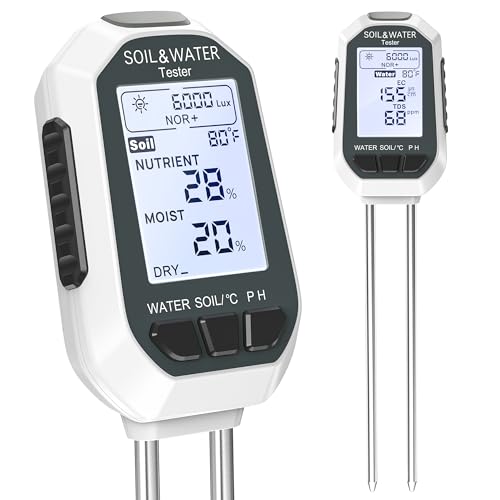
【7-in-1 Features】This is a 7-in-1 multi-function soil tester. Our soil tester quickly measures soil moisture, pH, temperature and light intensity, and its fertility function helps you take better care of your plants. With this device you can measure the soil moisture, pH, temperature and light intensity for your plants and with the EC and TDS functions you will know when it is time to water the soil.
Sunlight Needs for Optimal Growth
Raspberry plants thrive in full sunlight. They require at least 6-8 hours of direct sunlight daily to produce abundant and flavorful berries. In shady areas, raspberry plants may struggle to grow well and might yield fewer fruits. If you’re planting raspberries in a shaded spot, consider pruning nearby trees or bushes to allow more sunlight to reach the plants.
Soil and Water Considerations
Raspberry plants prefer well-drained soil rich in organic matter. Ensure the soil is slightly acidic with a pH level between 5.5 and 6.5 for optimal growth. Adequate moisture is crucial for raspberry plants, especially during fruit development. Water consistently, ensuring the soil remains moist but not waterlogged.
The Impact of Shade on Raspberry Plants
Growing raspberries in shady areas can significantly impact their fruit production and overall health. Understanding how shade influences fruit production and the shade tolerance among different raspberry varieties is crucial for successful cultivation.
How Shade Influences Fruit Production
Shade plays a vital role in determining the fruit production of raspberry plants. While raspberries require full sunlight for optimal growth and abundant fruit yield, they can tolerate some degree of partial shade. However, excessive shade can lead to reduced photosynthesis, affecting the plant’s ability to produce energy for growth and fruit development.
In shaded conditions, raspberry plants may exhibit elongated stems, fewer flowers, and smaller fruits compared to those grown in full sun. This reduction in fruit production under shade is attributed to decreased light availability impacting the plant’s metabolic processes essential for flowering and fruit set.
To maximize fruit production, it’s essential to provide raspberry plants with adequate sunlight while considering ways to manage shading from surrounding structures or trees that may hinder their growth potential.
Shade Tolerance Among Raspberry Varieties
Different raspberry varieties exhibit varying degrees of tolerance to shade conditions. Some cultivars are more adaptable to partial shade than others, making them suitable choices for areas with limited sunlight exposure.
For instance, heritage raspberries are known for their resilience in low-light environments and can thrive under dappled sunlight or filtered light conditions. On the other hand, modern hybrid varieties often require more direct sunlight to achieve optimal growth and maximize fruit yield.
When selecting raspberry varieties for shady areas, consider consulting with local gardening experts or nurseries to choose cultivars best suited for your specific light conditions. By understanding the shade tolerance of different raspberry varieties, you can make informed decisions that promote successful cultivation even in less sunny garden spots.
Best Practices for Growing Raspberries in Low Light Conditions
If you’re considering growing raspberries in shaded areas, here are some best practices to help you optimize their growth even in low light conditions.
Recommended Products

14,000 QUALITY SEEDS: Loaded with 14,000 fresh, wildflower seeds specially selected to thrive in areas with limited sunlight.
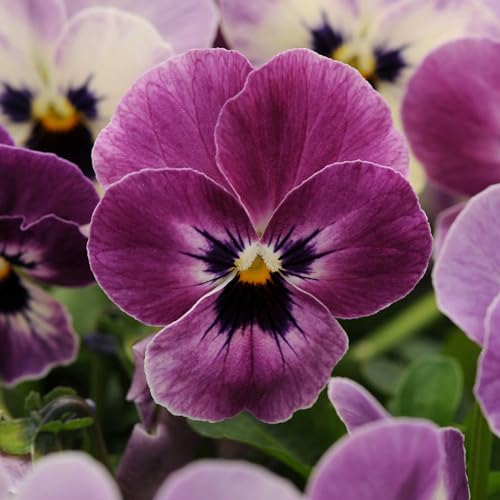
Prolific bloomer–the more you pinch the more they bloom

Perfect for Shade Gardens: Hosta seeds thrive in shaded environments, offering stunning ornamental foliage that adds texture and color to low-light garden spaces such as under trees or shaded borders
Suitable Locations for Shaded Raspberries
When choosing locations for shaded raspberries, look for spots that receive at least 4-6 hours of dappled sunlight daily. While raspberries thrive in full sun, they can adapt to partial shade. Opt for areas with eastern exposure where they can benefit from the morning sun or spots under deciduous trees that allow filtered light during the day.
- Prune Wisely: Regularly prune your raspberry bushes to maintain good airflow and ensure sunlight penetration into the plant’s canopy.
- Mulch Matters: Apply organic mulch around your raspberry plants to retain moisture and regulate soil temperature, which can be beneficial in shady areas.
- Water Carefully: Monitor the moisture levels of the soil closely as shaded areas may retain more water. Ensure proper drainage to prevent root rot.
- Feed Appropriately: Provide a balanced fertilizer to support raspberry growth since shaded plants might have reduced access to essential nutrients from sunlight.
- Choose Shade-Tolerant Varieties: Select heritage raspberry varieties known for their adaptability to low-light conditions if you plan on growing raspberries predominantly in shade.
By following these practices, you can enhance the growth and productivity of your raspberries even when dealing with limited sunlight.
Alternative Solutions for Shady Gardens
If you have a shady garden but still want to enjoy growing berries, there are other options besides raspberries that can thrive in low light conditions. Consider planting these shade-tolerant berry plants:
- Blueberries: Blueberry bushes can handle partial shade and produce delicious fruits. They require acidic soil and regular watering.
- Currants: Currant bushes, both red and black varieties, can grow well in shady areas. They are hardy plants that don’t mind a bit of shade.
- Gooseberries: Gooseberries are another option for shaded gardens. These tart berries do well with some protection from the sun.
- Elderberries: Elderberry shrubs are known for their immune-boosting properties and can grow in partially shaded spots.
These alternative berry plants offer diversity and the opportunity to enjoy fresh fruits even in areas with limited sunlight. Experimenting with different varieties can help you find the best fit for your specific garden conditions.
By exploring these shade-tolerant berry options, you can expand your gardening possibilities and create a fruitful oasis even in shadier parts of your yard or garden space.
Recommended Products

【High Quality ,More sizes, Give you more choices】- Our Shade Cloth can resist rays and most sunlight while air can still flow through so as to create a comfortable cool and shaded place for people or plants.

Used Book in Good Condition

Everbearing Variety: Enjoy two harvests of sweet, delicious red raspberries each year with this Heritage variety that produces fruit in both summer and fall, providing you with an extended harvest season for fresh berries throughout the growing months
Conclusion
Now that you understand the impact of shade on raspberry plants, you can explore alternative berry options like blueberries, currants, gooseberries, and elderberries. These plants not only thrive in shady areas but also offer a variety of fresh fruits for your garden. By experimenting with these shade-tolerant varieties, you can create a diverse and fruitful oasis even in the shadier parts of your yard or garden. Remember to choose the right plants that suit your light conditions to enjoy a bountiful harvest year after year. Happy gardening!
Frequently Asked Questions
Can raspberries grow in shade?
Raspberries prefer full sun but can tolerate partial shade. However, too much shade can reduce fruit production and plant vigor.
What are some shade-tolerant raspberry varieties?
Some shade-tolerant raspberry varieties include Heritage, Autumn Bliss, and Polka.
What other berry plants thrive in shady gardens?
Blueberries, currants, gooseberries, and elderberries are excellent choices for shady gardens.
How can I create a fruitful oasis in a shady area?
Experiment with alternative berry plants that thrive in shade to enjoy fresh fruits even in low light conditions.
