

Selecting low-chill apricot trees for Florida can lead to successful fruit production. Varieties like the Katy and Tilton thrive in warmer climates, requiring fewer chilling hours than traditional types. This guide details the best options and cultivation practices to ensure a fruitful harvest.
Low-Chill Apricot Varieties for Florida
Low-chill apricot trees are essential for regions with mild winters. These varieties require fewer chilling hours, typically between 300 to 500, making them suitable for Florida’s climate. Traditional apricot trees often fail to produce fruit in warmer areas due to insufficient chilling.
Key low-chill varieties include:
Katy: Known for its sweet flavor and reliable production.
Tilton: Offers excellent fruit quality and disease resistance.
Goldcot: A hybrid variety that adapts well to various conditions.
Recommended Products


FRESH SEEDS: 5 Seeds of fruit bearing Apricot Tree to grow.
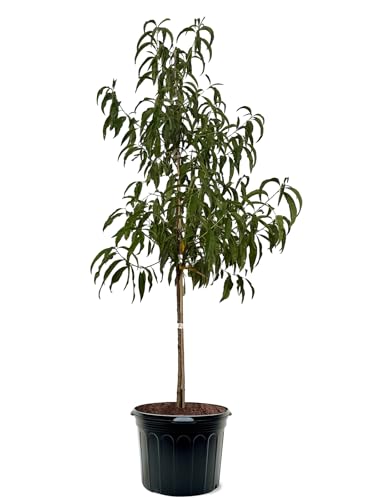
**Due to agricultural laws, we CANNOT SHIP TO CA, AZ, AK, or HI - orders will be cancelled if you ship to one of these states**
Low-Chill Apricot Variety Data Overview
In Florida’s unique climate, selecting the right apricot varieties is crucial for successful cultivation. This section provides a comprehensive overview of low-chill apricot varieties that thrive in warmer conditions, highlighting their characteristics, growth requirements, and suitability for Florida’s environment. Understanding these options will help growers make informed decisions for fruitful harvests.
| Variety | Chilling Hours | Fruit Quality | Disease Resistance | Harvest Time |
|---|---|---|---|---|
| Katy | 300-400 | Excellent | Moderate | Early June |
| Tilton | 400-500 | Very Good | High | Late June |
| Goldcot | 300-400 | Good | Moderate | Early July |
Ideal Planting Sites for Apricot Trees
Selecting the right planting site is crucial for the success of apricot trees in Florida’s unique climate. Understanding the specific requirements for sunlight, soil type, and drainage will help ensure healthy growth and fruitful yields. This section explores the ideal conditions that support the thriving of low-chill apricot varieties in the region.
Choosing the right location is vital for successful apricot cultivation. Apricot trees thrive in full sun and well-drained soil. Avoid areas prone to frost or standing water.
Consider these factors:
Sunlight: Ensure at least six hours of direct sunlight daily.
Soil Quality: Use sandy loam or loamy soil for optimal drainage.
Space: Allow sufficient space between trees for air circulation.
Planting and Caring for Apricot Trees
Planting and caring for apricot trees in Florida requires attention to specific low-chill varieties that thrive in the state’s unique climate. Understanding the right techniques for soil preparation, watering, and pruning can significantly enhance the growth and fruit production of these trees. This section outlines essential practices to ensure successful cultivation of apricot trees in Florida’s warm environment.
Planting apricot trees requires careful planning and maintenance. Follow these steps for successful growth:
Prepare the Soil: Test soil pH and amend as needed to achieve a range of 6.0 to 7.5.
Planting: Dig a hole twice the width of the root ball and deep enough to accommodate the roots.
Watering: Water thoroughly after planting and maintain consistent moisture without overwatering.
Fertilizing: Apply a balanced fertilizer during the growing season to promote healthy growth.
Pest Control Techniques for Apricot Trees
Effective pest control is essential for the successful cultivation of apricot trees in Florida, especially given the unique challenges posed by the state’s climate. Understanding the specific pests that affect low-chill apricot varieties and implementing targeted management strategies can significantly enhance tree health and fruit yield. This section explores various techniques to safeguard these trees from common pests.
Pest management is crucial for maintaining healthy apricot trees. Common pests include aphids, spider mites, and fruit flies.
Implement these strategies:
Regular Inspections: Check trees weekly for signs of infestation.
Natural Predators: Encourage beneficial insects like ladybugs to control pests.
Organic Treatments: Use neem oil or insecticidal soap as a preventive measure.
Diseases Impacting Florida Apricot Trees
Florida’s warm climate presents unique challenges for apricot trees, particularly in terms of disease susceptibility. Understanding the specific diseases that can affect these low-chill varieties is crucial for successful cultivation. This section delves into the common ailments that Florida apricot trees face and offers insights into prevention and management strategies.
Apricot trees are susceptible to various diseases that can impact fruit quality and tree health. Identifying symptoms early can prevent severe damage.
Common diseases include:
Brown Rot: A fungal disease causing fruit decay. Remove infected fruit and ensure proper airflow.
Crown Gall: Bacterial infection leading to galls on roots and stems. Avoid planting in infected soil.
Leaf Curl: Fungal disease causing leaf distortion. Prune affected leaves and apply fungicide as needed.
Cultivation Tips for Florida Apricot Trees
Growing apricot trees in Florida requires specific strategies to thrive in the state’s unique climate. By focusing on low-chill varieties and understanding their needs, gardeners can successfully cultivate these fruit-bearing trees. The following tips will guide you through essential practices for nurturing apricot trees in Florida’s warm environment.
Growing low-chill apricot trees in Florida can be rewarding with the right care and attention. Monitor environmental conditions and be proactive in pest and disease management.
Select the right variety and location to maximize fruit production. Implementing these strategies will lead to a fruitful harvest of delicious apricots.
