

Growing quince trees in pots in North Dakota requires careful planning to ensure winter survival. Proper selection of pot size, soil, and winter protection methods will help these trees thrive despite harsh conditions.
Selecting Ideal Pots for Quince Trees
Selecting the appropriate pot is crucial for the health of quince trees. A pot that is too small restricts root growth, while one that is too large may retain excessive moisture. Ideal pots should have good drainage and be made from materials that can withstand temperature fluctuations.
Size: Choose a pot at least 18 inches in diameter.
Material: Opt for clay or resin to insulate roots.
Drainage: Ensure pots have multiple drainage holes.
Recommended Products

Keep your house plants beautifully stored with the Suncast 18-inch tall planter; Features a neutral brown color and wicker finish, adding a simple yet stylish design accent to your home or garden

Stylish Concrete Planter - Unveil a modern design boasting graceful curves and an authentic surface finish! Enhance your space's allure with this seamless, contemporary masterpiece adorned with visible pores for an enchanting touch of charm.

Spacious 18 Inch Planters for Healthy Growth:Large 18 inch flower pots provide plenty of growing space for plants,flowers,palms,shrubs,and small trees. Perfect for creating beautiful indoor and outdoor plant displays.
Optimal Soil Mix for Potted Quince Trees
Choosing the right soil mix is crucial for the health and growth of potted quince trees, especially in North Dakota’s challenging climate. A well-balanced soil not only supports root development but also ensures proper drainage and moisture retention, which are vital for winter survival. Understanding the specific needs of quince trees will help you create an optimal environment for them to thrive.
The right soil mix supports healthy growth and winter survival. Quince trees prefer well-draining soil rich in organic matter. A mix of potting soil, compost, and perlite can provide the necessary nutrients and drainage.
Potting Soil: Use high-quality potting mix.
Compost: Add 20% compost for nutrients.
Perlite: Incorporate perlite for improved drainage.
Quince Tree Winter Insulation Methods
Successfully growing quince trees in pots in North Dakota requires careful attention to winter insulation methods. As temperatures drop, protecting these trees from harsh conditions becomes crucial for their survival. This section explores effective strategies to insulate potted quince trees, ensuring they thrive through the cold months.
Winter can be harsh in North Dakota, so protecting your quince tree is essential. Insulating the pot and providing shelter can prevent root damage. Consider these methods to enhance winter survival.
Mulching: Apply a thick layer of mulch around the base to retain warmth.
Wrapping: Use burlap or frost cloth to wrap the pot.
Sheltering: Move pots to a sheltered location, such as a garage or shed.
| Protection Method | Effectiveness | Difficulty (1-5) |
|---|---|---|
| Mulching | High | 2 |
| Wrapping | Medium | 3 |
| Sheltering | High | 1 |
Recommended Products

[What You Will Receive]:You'll receive 5 winter pot covers—plenty to protect more plants from the cold air!

【PROTECT YOUR PLANTS】 Made of high quality Oxford cloth and aluminum film, this planter protection bag provides excellent protection for your plants from harsh weather conditions such as snow, hail, frost and high winds.

3-Layer Insulation Design: Featuring a unique 3-layer structure of non-woven fabric, foam, and aluminum foil, this product offers exceptional insulation performance. This unique design effectively traps heat and prevents frost damage in cold weather.
Winter Watering Strategies for Quince Trees
Successfully growing quince trees in pots in North Dakota requires careful attention to winter watering strategies. During the cold months, proper hydration is crucial to prevent root damage and ensure the trees can thrive despite the harsh conditions. Understanding how to adjust your watering routine can make a significant difference in the health and survival of your quince trees.
Watering during winter is critical but must be done cautiously. Overwatering can lead to root rot, while underwatering can stress the tree. Monitor soil moisture levels regularly.
Frequency: Water when the top inch of soil is dry.
Amount: Use enough water to moisten the entire root ball.
Temperature: Use room-temperature water to avoid shocking the tree.
Recommended Products

Accurate Soil Moisture Detection: The XLUX Soil Moisture Meter can tell you if the soil deep inside your pot or garden is dry, moist or wet; whereas your eyes and fingers can only determine the moisture level of the soil surface. The probe is 5.5 inches (14 cm) longer than regular styles, allowing it to measure the soil moisture at the bottom of larger and deeper flower pots.

Soil Moisture Meter: This single probe soil moisture meter is specially designed for testing the moisture level in the soil, helps you decide whether the plants need water or not, helps to keep plants alive.
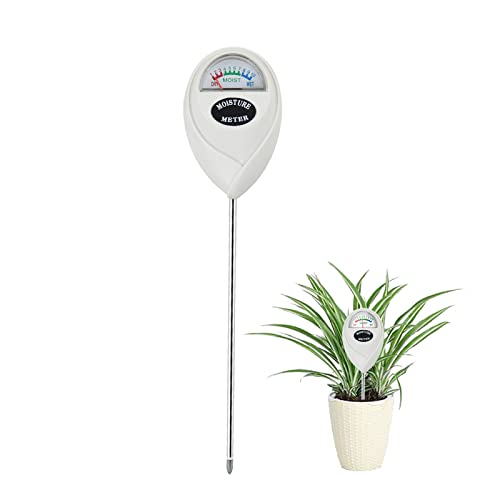
【SAVE YOUR PLANTS】: Over watering can cause problems with your plants or even kill them. This soil moisture meter helps you know the soil is dry, moist or wet.No more over watering!
Spring Fertilization for Quince Tree Health
Spring fertilization plays a crucial role in ensuring the health and vigor of quince trees, especially when grown in pots in North Dakota’s challenging climate. Proper nutrient management during this season can enhance growth, improve fruit quality, and bolster winter hardiness, making it essential for successful cultivation. Understanding the specific needs of quince trees will help gardeners optimize their care.
Proper fertilization supports robust growth and fruit production. A balanced fertilizer applied in early spring can boost nutrient availability. Avoid fertilizing in late fall to prevent new growth that could be damaged by frost.
Type: Use a balanced fertilizer with equal N-P-K ratios.
Timing: Fertilize in early spring before new growth.
Application: Follow package instructions for dosage.
Pruning Strategies for Potted Quince Trees
Pruning is essential for maintaining the health and shape of potted quince trees, especially in North Dakota’s challenging climate. Proper pruning techniques not only encourage robust growth but also enhance winter survival by promoting better air circulation and reducing disease risk. Understanding the right strategies can make a significant difference in the overall vitality of your quince tree.
Regular pruning enhances air circulation and encourages healthy growth. Focus on removing dead or diseased branches and shaping the tree for optimal sunlight exposure.
Timing: Prune in late winter before new growth.
Tools: Use sharp, clean pruning shears.
Technique: Cut at a 45-degree angle to promote healing.
Pests and Diseases Affecting Quince Trees
Quince trees, while hardy, can face various pests and diseases that threaten their health, especially in the unique climate of North Dakota. Understanding these challenges is essential for pot-grown quince trees, as effective management strategies can help ensure their survival and productivity throughout the seasons. This section delves into the specific threats and solutions for maintaining robust quince trees.
Monitoring for pests and diseases is crucial for maintaining healthy quince trees. Common issues include aphids and fungal infections. Early detection and treatment can prevent significant damage.
Aphids: Check for sticky residue on leaves.
Fungal Infections: Look for discoloration or wilting.
Treatment: Use insecticidal soap or fungicides as needed.
| Pest/Disease | Symptoms | Treatment |
|---|---|---|
| Aphids | Sticky leaves | Insecticidal soap |
| Fungal Infections | Wilting leaves | Fungicides |
Winter Care Strategies for Potted Quince Trees
Caring for potted quince trees during North Dakota’s harsh winters requires specific strategies to ensure their survival. As temperatures drop, understanding the unique needs of these trees becomes essential for maintaining their health and vitality. This section outlines effective winter care techniques tailored for potted quince trees in cold climates.
Growing quince trees in pots requires attention to detail and proactive care. Regular monitoring and timely interventions will ensure your trees thrive through winter.
Location: Choose a spot with full sun exposure.
Maintenance: Regularly check for pests and moisture levels.
Seasonal Care: Adjust care routines based on seasonal changes.
