

Growing papaya trees in a pot in Colorado is feasible, even at high altitudes. Selecting the right variety and employing specific techniques can enhance growth and fruit production.
Best Papaya Varieties for Colorado Pots
Selecting the right papaya variety is essential for successful cultivation in Colorado’s unique climate. With its high altitude and cooler temperatures, certain varieties thrive better than others when grown in pots. This section highlights the best papaya types suited for container gardening in Colorado, ensuring optimal growth and fruit production.
Choosing the appropriate papaya variety is crucial for success in Colorado’s climate. Some varieties thrive better in cooler temperatures and can adapt to container growth. Look for:
Red Lady: Known for its sweet fruit and compact size.
Solo: A smaller variety that matures quickly.
Sunrise: Offers excellent flavor and is moderately resistant to cold.
These varieties can withstand Colorado’s temperature fluctuations and are suitable for pot cultivation.
Recommended Products

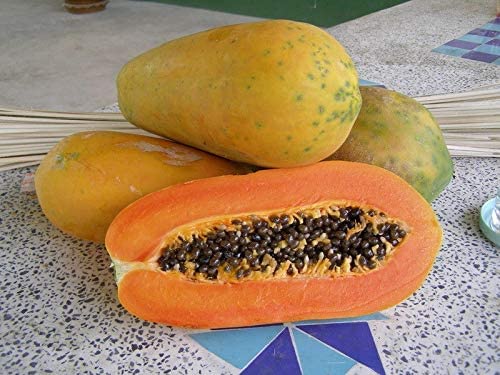

Optimal Potting Mix for Papaya Trees
Selecting the right potting mix is crucial for successfully growing papaya trees in Colorado’s high altitude. The unique climate conditions require a blend that ensures proper drainage and nutrient retention. Understanding the optimal components of the potting mix will help you create an ideal environment for your papaya trees to thrive.
The right potting mix is essential for healthy papaya growth. A well-draining mix prevents root rot and supports nutrient uptake. Use a blend that includes:
Coconut coir for moisture retention
Perlite for aeration
Compost for nutrients
Ensure the pot has drainage holes to allow excess water to escape. A 5-gallon container is a good starting size for young trees.
Temperature and Light Management for Papayas
Successfully growing papaya trees in pots at high altitudes in Colorado requires careful attention to temperature and light conditions. These factors are crucial for ensuring healthy growth and fruit production, as the unique climate can present challenges that differ from traditional growing environments. Understanding how to manage these elements will help optimize your papaya cultivation efforts.
Papayas thrive in warm conditions, making temperature management vital. In Colorado, consider the following strategies:
Indoor Placement: Start seeds indoors to protect them from frost.
Greenhouse Use: A greenhouse can provide a stable environment.
Sunlight Exposure: Place pots in a location that receives at least 6-8 hours of sunlight daily.
These steps help maintain the ideal temperature range of 70-90°F for optimal growth.
Watering Guidelines for Papaya Trees
Successfully growing papaya trees in pots at high altitudes in Colorado requires careful attention to watering practices. The unique climate conditions can affect moisture retention and root health, making it essential to adopt specific watering guidelines. Understanding these needs will help ensure your papaya trees thrive despite the challenges of their environment.
Proper watering is critical for papaya trees. Overwatering can lead to root rot, while underwatering can stunt growth. Follow these guidelines:
Check Soil Moisture: Use your finger to gauge moisture levels.
Watering Frequency: Water when the top inch of soil feels dry.
Drainage: Ensure excess water drains freely from the pot.
Establishing a consistent watering routine promotes healthy root development.
Balanced Fertilization for Papaya Trees
Proper fertilization is crucial for the successful growth of papaya trees, especially in the unique conditions of Colorado’s high altitudes. Understanding the specific nutrient needs of these tropical plants can significantly enhance their growth and fruit production. This section explores effective fertilization strategies tailored for potted papaya trees in challenging environments.
Regular fertilization supports robust growth and fruit production. Use a balanced fertilizer that provides essential nutrients. Consider these options:
Slow-release fertilizer: Apply every 6-8 weeks during the growing season.
Liquid fertilizer: Dilute and apply every 2-4 weeks for quick nutrient uptake.
Monitor the plants for signs of nutrient deficiency, such as yellowing leaves or stunted growth.
Recommended Products

Made for Lemon & Citrus Trees – Formulated to support healthy growth in lemon and citrus plants.

Balanced Organic Nutrition – Supplies a 6‑3‑3 NPK ratio along with calcium, sulfur, iron, and zinc to foster healthy foliage, flowering, and fruit.

Package contains 4 Pounds organic fruit and citrus fertilizer grains and is produced to avoid wasteful runoff, mess, hazards and smells
Pest Management Strategies for Papaya Trees
Managing pests effectively is crucial for the health of papaya trees, especially when grown in pots at high altitudes in Colorado. The unique environmental conditions can attract specific pests, making it essential to implement targeted strategies. This section explores various pest management techniques to ensure your papaya trees thrive despite these challenges.
Pest and disease management is essential for healthy papaya trees. Common threats include aphids, spider mites, and fungal infections. Implement these strategies:
Inspect Regularly: Check leaves and stems for pests.
Natural Insecticides: Use neem oil or insecticidal soap for treatment.
Fungal Prevention: Ensure good air circulation around the plants.
Taking proactive measures can prevent significant damage to your papaya trees.
Potting Strategies for Colorado Papayas
Growing papaya trees in pots can be a rewarding endeavor, especially in Colorado’s unique climate. This section delves into effective potting strategies tailored for high-altitude conditions, ensuring your papayas thrive despite the challenges posed by cooler temperatures and varying humidity levels. Discover the best practices to maximize growth and yield in your container garden.
Understanding the logistics of growing papaya trees in pots can enhance your success. Consider the following aspects:
| Factor | Recommendation |
|---|---|
| Pot Size | Start with 5 gallons |
| Soil Type | Well-draining mix |
| Sunlight | 6-8 hours daily |
| Watering | Check moisture weekly |
| Fertilization | Every 6-8 weeks |
This table summarizes the key logistics to ensure healthy growth and fruit production.
Recommended Products

Superior Protection with Extra-Thick Fabric: Our plant cover stands out with its extra-thick 2.0oz/sq² non-woven fabric, safeguarding your plants from frost, wind, and harsh weather conditions effectively.

Sweetest Papaya Variety: This Red Lady Variety is considered to be the sweetest papaya. It has red-orange flesh and a sweet fragrance. (Does not smell bad like other varieties) A dwarf papaya that is Fast and Easy to grow. Under good growing conditions it will fruit within 8 months

You will receive a plant approximately 8 inches tall with healthy roots planted in a 4 inch pot.
Winter Care for Potted Papayas
Caring for potted papaya trees during the winter months in Colorado’s high altitude can be challenging due to the cold temperatures and reduced sunlight. Understanding the specific needs of these tropical plants during winter is essential for their survival and growth. This section will explore effective strategies to ensure your papayas thrive even in harsh conditions.
Adjusting care based on the seasons can improve your papaya yield. During winter, consider:
Indoor Relocation: Move pots indoors to avoid frost.
Reduced Watering: Cut back on watering frequency as growth slows.
Temperature Monitoring: Keep indoor temperatures stable.
Adapting care strategies seasonally ensures your papaya trees remain healthy year-round.
