

Persimmon trees can thrive in pots in Minnesota, even during harsh northern winters. Proper care and specific techniques ensure these trees survive and produce fruit despite the cold climate.
Cold-Hardy Persimmon Varieties for Minnesota
When considering persimmon trees for container gardening in Minnesota, selecting cold-hardy varieties is crucial for their survival during harsh winters. These specific types are better equipped to withstand low temperatures, ensuring that your efforts in growing these unique fruit trees yield results even in the northern climate. Understanding which varieties thrive can make all the difference in your gardening success.
Choosing the appropriate persimmon variety is crucial for successful growth in Minnesota. Some varieties are more cold-hardy than others.
Look for those that can withstand temperatures as low as -10°F. The American Persimmon is often recommended for northern climates due to its hardiness.
Recommended Products

PRODUCT IMAGE DISCLAIMER: The main image is for reference only. The plant you receive may not look exactly the same as shown in the first image
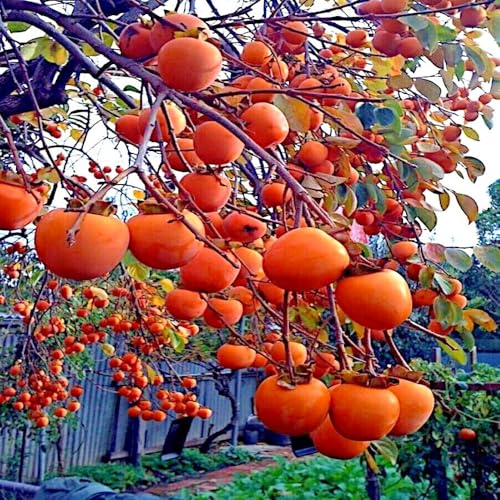
Cold Hardiness: Cold hardy Diospyros seeds survive temperatures down to 10°F once established; Suitable for growing in USDA zones 7-10; More tolerant of temperature fluctuations than many other fruit trees

Very Hardy Persimmon Tree Live Plant, Cold Hardy and Sweet American Persimmon, 1 Year Old 6-12" Plant
Cold-Hardy Persimmon Varieties for Containers
When considering persimmon trees for container gardening in Minnesota, selecting cold-hardy varieties is essential for their survival during harsh winters. These specific types are better equipped to withstand low temperatures while thriving in limited space, making them ideal for northern climates. Understanding which varieties excel in pots can help gardeners enjoy the unique fruits of persimmons even in challenging conditions.
| Variety | Cold Hardiness | Fruit Quality | Growth Habit |
|---|---|---|---|
| American Persimmon | -10°F | Sweet | Medium |
| Fuyu | -5°F | Crisp | Compact |
| Saijo | -10°F | Sweet | Tall |
Ideal Potting Mix for Persimmon Trees
Choosing the right potting mix is crucial for the health of persimmon trees, especially in Minnesota’s challenging climate. A well-balanced blend can provide the necessary drainage and nutrients these trees need to thrive in pots while enduring harsh northern winters. Understanding the ideal components will help ensure your persimmon trees remain robust and productive.
Creating the right potting mix is essential for the health of your persimmon tree. A well-draining mix prevents root rot and encourages healthy growth. Combine potting soil, perlite, and compost to achieve the right balance.
Best Potting Soil for Persimmons
Choosing the right potting soil is crucial for the health and growth of persimmon trees, especially in Minnesota’s challenging climate. The ideal mix not only supports root development but also ensures proper drainage and moisture retention. This section explores the best potting soil options to help your potted persimmons thrive through the northern winters.
50% potting soil
30% perlite
20% compost
This mixture provides nutrients while ensuring adequate drainage.
Choose the Right Pot
Selecting the appropriate pot for persimmon trees is crucial for their survival in Minnesota’s harsh winters. The right container not only supports the tree’s growth but also provides insulation against freezing temperatures. Understanding the best materials and sizes can significantly enhance the chances of your potted persimmon thriving through the cold season.
Selecting the right pot is vital for persimmon trees. A container that is at least 18 inches deep allows for proper root development. Ensure the pot has drainage holes to prevent water accumulation.
Recommended Products
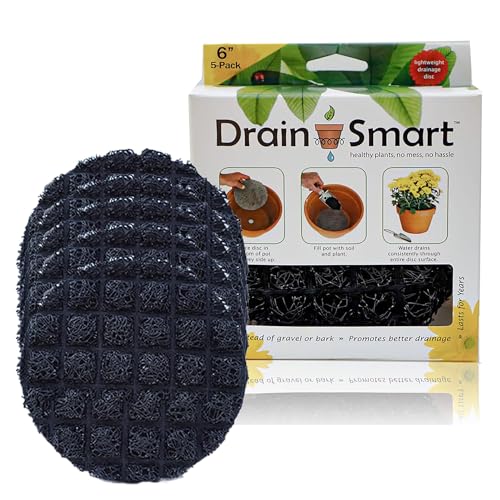
MADE IN THE USA — BUILT TO LAST - Drain Smart drainage discs are proudly made in the USA using a rigid 3D mesh design intended for long-term use. No flimsy imports, no cracking, no collapsing.

Unique Design: This ceramic pots for plants adopts the unique appearance design of the moon, with concave convex texture, that is both aesthetically pleasing and decorative, making it fit to your indoor or outdoor space decoration, suitable for various styles of home decor, room decor, bedroom decor, bathroom decor, living room decor, office decor, patio decor, porch decor, garden decor and more

【Package include】40 packs = 25 small + 15 large. The cone bonsai mesh pad is used to place on the bottom of the ceramic basin or flower pot which has small holes,it minimizes soil from migrating out of the pot drain hole keeping your deck,house,or table clean.
Choosing the Best Pot Material
Selecting the right pot material is crucial for successfully growing persimmon trees in Minnesota’s challenging climate. The pot not only influences the tree’s health but also its ability to withstand harsh northern winters. Understanding the advantages and disadvantages of various materials will help ensure your persimmon tree thrives despite the cold.
| Material | Benefits | Drawbacks |
|---|---|---|
| Plastic | Lightweight, affordable | Less durable |
| Clay | Breathable, aesthetic | Heavy, can crack |
| Ceramic | Attractive, sturdy | Expensive, heavy |
Winter Insulation Techniques for Potted Persimmons
Potted persimmon trees can thrive in Minnesota’s harsh winters with the right insulation techniques. Protecting these trees from freezing temperatures is essential for their survival and future growth. This section explores effective methods to insulate your potted persimmons, ensuring they remain healthy and resilient throughout the cold months.
Winter protection is critical for potted persimmon trees in Minnesota. Insulating the pot helps prevent root freeze. Use materials like bubble wrap or straw around the pot.
Insulating Potted Persimmons for Winter
As winter approaches in Minnesota, protecting potted persimmon trees becomes crucial for their survival. Insulating these trees not only shields them from harsh temperatures but also helps maintain their health and vitality throughout the cold months. Understanding effective insulation techniques can ensure that your persimmons thrive, even in the face of frigid northern winters.
Wrap the pot with insulation material.
Move the pot to a sheltered location, such as against a wall or in a garage.
Cover the tree with a frost cloth during extreme cold snaps.
Watering and Fertilizing Persimmons in Pots
Proper watering and fertilizing are crucial for the health of potted persimmon trees, especially in Minnesota’s challenging climate. Understanding the specific needs of these trees will help ensure they thrive despite the harsh northern winters. This section will provide essential guidelines for maintaining optimal moisture levels and nutrient supply for your potted persimmons.
Proper watering and fertilizing are essential for healthy growth. During the growing season, keep the soil consistently moist but not soggy. Fertilize with a balanced fertilizer every 4-6 weeks.
Watering Frequency for Potted Persimmons
Understanding the watering frequency for potted persimmons is crucial for their survival in Minnesota’s harsh winters. Proper hydration not only supports their growth but also helps them withstand the cold temperatures. This section will provide insights into how often to water these trees to ensure their health and resilience throughout the winter months.
| Season | Frequency |
|---|---|
| Spring | Twice a week |
| Summer | Once a week |
| Fall | Every two weeks |
| Winter | Monthly |
Pruning Techniques for Potted Persimmons
Pruning potted persimmon trees is essential for maintaining their health and productivity, especially in Minnesota’s challenging climate. Proper techniques can help manage growth, encourage fruit production, and ensure the trees survive harsh winters. Understanding the best practices for pruning will enable gardeners to cultivate thriving persimmons in containers despite the northern conditions.
Regular pruning encourages healthy growth and fruit production. Focus on removing dead or crossing branches to improve air circulation. Conduct pruning in late winter before new growth begins.
Pruning Techniques for Potted Persimmons
Pruning is essential for maintaining the health and productivity of potted persimmon trees, especially in Minnesota’s challenging climate. Proper techniques can help shape the tree, encourage fruit production, and ensure it survives the harsh northern winters. Understanding when and how to prune will significantly impact the vitality of your tree.
Identify dead or damaged branches.
Cut branches at a 45-degree angle.
Remove suckers from the base of the tree.
Pest and Disease Management for Persimmon Trees
Managing pests and diseases is crucial for the health of potted persimmon trees in Minnesota, especially given the challenges posed by the state’s northern winters. Understanding common threats and implementing effective strategies can help ensure these trees thrive despite the harsh conditions. This section explores the key pests and diseases to watch for and offers practical management tips.
Keeping an eye on your persimmon tree for signs of pests or diseases is crucial. Common issues include aphids and leaf spot diseases. Early detection allows for effective treatment.
Pests Affecting Potted Persimmons
Potted persimmons can face various pest challenges, particularly in Minnesota’s unique climate. Understanding the specific pests that target these trees is essential for maintaining their health and ensuring a fruitful harvest. This section delves into the common pests that affect potted persimmons and offers insights on effective management strategies.
| Pest | Symptoms | Treatment |
|---|---|---|
| Aphids | Curling leaves | Insecticidal soap |
| Leaf Spot | Brown spots on leaves | Fungicide application |
Successful Care for Potted Persimmons
Caring for potted persimmon trees in Minnesota requires a tailored approach to ensure their survival through harsh winters. Understanding their specific needs, from watering to temperature management, is crucial for maintaining healthy trees that can thrive even in challenging conditions. This section provides essential tips for successfully nurturing these unique plants in a pot.
Ensure your persimmon tree receives plenty of sunlight, ideally 6-8 hours daily. Regularly check the moisture level in the soil, especially during hot summer months.
Keep these practices in mind to enjoy a thriving persimmon tree in your Minnesota garden, even through the toughest winters.
