

Have you ever found yourself staring at your apricot tree, wondering why it’s not bearing any fruit? You’re not alone. Many gardeners experience the disappointment of watching their trees thrive in the sun yet fail to produce those sweet, juicy apricots they’ve been dreaming of.
In this article, we’ll explore the common reasons behind your tree’s lack of fruit. From environmental factors to care mistakes, understanding these issues can help you get your apricot tree back on track. By the end, you’ll have the insights needed to encourage healthy growth and hopefully enjoy a bountiful harvest in the seasons to come.
Key Takeaways
- Pollination Matters: Apricot trees often require cross-pollination from compatible varieties for fruit production; plant multiple varieties for better results.
- Environmental Conditions: Ensure your apricot tree receives adequate sunlight, consistent watering, and well-drained soil to thrive and bear fruit.
- Nutrient Management: Regular fertilization with balanced nutrients is crucial; address signs of deficiencies such as yellowing leaves or stunted growth promptly.
- Pest and Disease Management: Regularly inspect for pests like aphids and diseases like brown rot to prevent damage and maintain tree health.
- Consider Tree Age and Variety: Understand that apricot trees typically start fruiting in 3-4 years; choose the right self-pollinating or cross-pollinating varieties suited to your climate.
Common Reasons Apricot Trees Don’t Fruit
Apricot trees can be challenging when they thrive but fail to produce fruit. Several factors may be at play, impacting your tree’s ability to bear fruit.
Lack of Pollination
Lack of pollination often prevents apricot trees from producing fruit. Apricot trees typically require cross-pollination from a different variety for successful fruit set. If your tree is isolated or lacks a compatible partner, it may not produce fruit.
- Ensure you plant at least two compatible apricot tree varieties nearby for better pollination.
- Observe the presence of bees and other pollinators in your garden. Encourage pollinators by planting flowers nearby.
- If your tree blooms early in spring, late frost can damage blossoms, reducing fruit production. Monitor weather conditions during blooming.
Environmental Factors
Environmental factors play a crucial role in fruit production for apricot trees. Key conditions include temperature, soil quality, and water availability.
- Maintain adequate sunlight exposure. Apricot trees need full sun for at least six hours daily.
- Ensure proper watering practices. Overwatering or underwatering can stress the tree. Aim for consistent moisture, especially during flowering and fruiting seasons.
- Conduct a soil test to check pH levels. Apricot trees thrive in well-drained, slightly acidic to neutral soil (pH 6.0 to 7.0).
- Watch for pests and diseases that may affect tree health. Regular inspections help identify issues early on.
By understanding these common reasons, you can take actionable steps to enhance your apricot tree’s chances of fruiting successfully.
Nutrient Deficiencies
Nutrient deficiencies can significantly impact the fruiting ability of your apricot tree. Ensuring your tree receives the right nutrients promotes healthy growth and fruit production.
Recommended Products
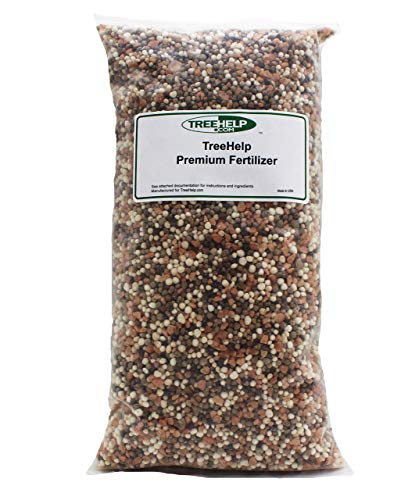
Approximately 3 Pounds

🌱 Strengthen APRICOT TREE Stalks & Prevent Breakage: Our silica formula reinforces plant cell walls, making stems and branches thick, tough, and resistant to breakage. Perfect for apricot tree plants.
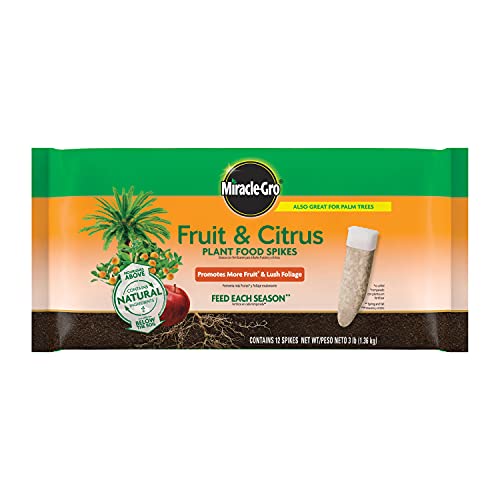
FORMULATED FOR CITRUS AND FRUIT TREES: Use these citrus fertilizer spikes on apple, orange, lemon, lime, and avocado trees; this formula is also great for feeding palm trees
Importance of Fertilization
Fertilization plays a crucial role in the overall health of your apricot tree. It boosts nutrient availability, leading to stronger branches and enhanced flowering. Regularly applying a balanced fertilizer in early spring provides the essential nutrients that support fruit development. Look for fertilizers high in nitrogen, phosphorus, and potassium, often labeled as NPK fertilizers. Using organic options, such as compost or well-rotted manure, can improve soil health and provide nutrients gradually.
Signs of Nutrient Deficiency
Recognizing signs of nutrient deficiencies is essential to addressing them promptly. Here’s what to look for:
- Yellowing Leaves: Typically indicates nitrogen deficiency. Lower leaves turn yellow first, then leaf drop follows.
- Poor Flowering: Lack of phosphorus can lead to fewer blossoms. Blossoms are crucial for fruit set.
- Stunted Growth: If your tree isn’t growing as expected, it may lack essential nutrients like nitrogen or zinc.
- Leaf Curling: Curling or distorted leaves may signify a potassium deficiency, affecting both growth and fruit yield.
Taking a soil test can help identify deficiencies. Amend the soil accordingly to restore proper nutrient levels and foster a fruitful apricot tree.
Pests and Diseases
Pests and diseases can hinder your apricot tree’s ability to produce fruit. Identifying and managing these issues is crucial for thriving trees.
Recommended Products

READY-TO-USE CONTACT SPRAY: No mixing required. Thoroughly spray insecticide on all plant parts, including the underside of leaves. Pests must be sprayed directly to achieve control
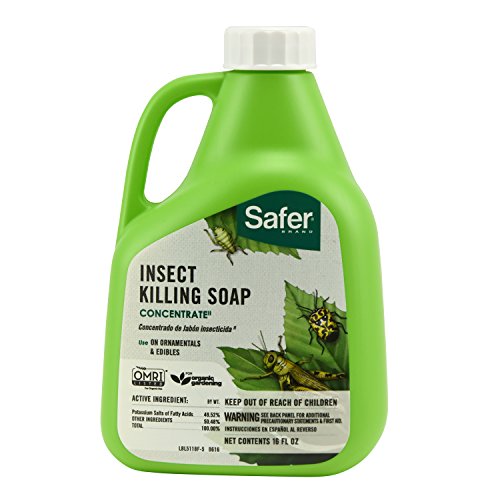
GENTLE ON MOST PLANTS - This aphid spray is ideal for use on flowers, herbs, vegetables, houseplants, lawn, tree, shrubs, and more

FOR ORGANIC GARDENING – OMRI LISTED: Approved for use in organic production, Monterey Insecticidal Soap RTU is perfect for indoor and outdoor organic gardening on fruits, vegetables, ornamentals, and more.
Identifying Common Pests
- Aphids: Small, soft-bodied insects that cluster on new growth and leaves. Look for curled, yellowing leaves. To manage aphids, use a strong blast of water or insecticidal soap.
- Spider Mites: Tiny pests that create fine webs on leaves. Check for yellow spots or a dusty appearance on foliage. Increasing humidity and applying miticides can control spider mite populations.
- Peach Tree Borers: Larvae that bore into tree trunks, causing wilted leaves and holes in the bark. If you notice signs of wood dust around the base, consider wrapping the base of the trunk with a protective barrier.
- Scale Insects: Small, immobile pests that attach to branches and leaves. Look for sticky substances and black mold. Scraping them off or using horticultural oil helps reduce their numbers.
- Brown Rot: This fungal disease causes fruit to rot while still on the tree. It creates a light brown, fuzzy mold. Prune infected fruits and improve air circulation to manage brown rot.
- Leaf Curl: Caused by a virus or environmental stress, leaf curl leads to distorted and curled leaves. If you observe this issue, avoid mechanical damage and ensure proper watering practices.
- Powdery Mildew: A fungal problem that results in white, powdery spots on leaves. To treat powdery mildew, ensure adequate sunlight and air circulation. Apply fungicides as needed.
- Bacterial Canker: Look for dark, sunken spots on branches and trunk. If you see these symptoms, prune away affected areas and disinfect your tools to prevent spreading the bacteria.
Regularly inspecting your apricot tree helps catch pests and diseases early. Early intervention significantly increases your chances of restoring fruit production.
Tree Age and Variety
Tree age and variety significantly influence whether your apricot tree produces fruit. Understanding these factors can help you identify potential issues.
Recommended Products

These are ready to plant and should be put in the ground according to the included instructions upon arrival. All pictures are of fully grown plants. Sizes shipped are in the title and description. Deciduous plants do not have leaves in the winter.


Due to agricultural laws, we Cannot Ship to CA, AZ, AK, or HI - orders will be refunded if you ship to one of these states
When Will My Tree Start Fruiting?
Apricot trees typically start fruiting between three to four years after planting. Trees grown from seeds may take longer, often around five to six years. If your tree is younger than this, patience is crucial. You might see flowers but not actual fruit until the tree matures. Monitor your tree regularly; a healthy tree will have robust branching and green leaves.
Choosing the Right Variety
Selecting the right variety plays a key role in fruit production. Some varieties require cross-pollination, while others are self-pollinating. For maximum fruit yield, consider planting at least two compatible varieties nearby. Popular recommendations include ‘Blenheim’, ‘Tilton’, and ‘Katy’ for good fruiting results. Research the variety that suits your climate best, as each may perform differently in varying conditions. Additionally, local nurseries can provide insights on popular and successful varieties in your area.
Conclusion
If your apricot tree isn’t fruiting it can be a bit disheartening. By considering factors like pollination soil health and pest management you can create a thriving environment for your tree. Remember to be patient as younger trees may take a few years to produce fruit.
With a little attention and care your apricot tree can flourish and reward you with delicious fruit in due time. Keep experimenting with different approaches and soon enough you might just see those beautiful apricots hanging from the branches. Happy gardening!
Frequently Asked Questions
Why isn’t my apricot tree producing fruit?
Many factors can hinder an apricot tree’s fruit production, including lack of pollination, environmental conditions, and nutrient deficiencies. Improving pollination by planting compatible varieties nearby is essential. Additionally, ensure your tree receives adequate sunlight, water, and nutrients.
What can I do to improve pollination for my apricot trees?
To enhance pollination, plant at least two compatible apricot tree varieties close to each other. Encouraging pollinators by adding flowering plants can also significantly improve the chances of successful pollination, leading to better fruit production.
How do I identify nutrient deficiencies in my apricot tree?
Signs of nutrient deficiencies include yellowing leaves, poor flowering, stunted growth, and leaf curling. Conducting a soil test is crucial for identifying specific deficiencies, allowing you to amend the soil for healthier apricot trees.
What pests should I look out for on my apricot trees?
Common pests include aphids, spider mites, peach tree borers, and scale insects. Regularly inspect your trees for symptoms such as wilting leaves or visible pests, and implement management strategies to control these threats effectively.
How long does it take for apricot trees to start producing fruit?
Apricot trees generally begin to bear fruit between three to four years after planting. Trees grown from seeds may take longer, so patience is essential as younger trees may flower without producing fruit initially.
What are the best apricot tree varieties for fruit production?
Recommended apricot tree varieties include ‘Blenheim’, ‘Tilton’, and ‘Katy’. Planting at least two compatible varieties is advised for optimal yields. Choose varieties suited to your climate by consulting local nurseries for the best options.
