

Banana trees can grow in Kentucky, particularly in the Bluegrass Region, with proper care and attention to climate conditions. To succeed, gardeners should choose cold-hardy varieties and implement protective measures during colder months.
Cold-Hardy Banana Varieties for Kentucky
When considering the possibility of growing banana trees in Kentucky’s unique climate, it’s essential to explore cold-hardy varieties that can thrive in the Bluegrass Region. These resilient plants offer the potential for successful cultivation despite the state’s colder temperatures, making them an intriguing option for local gardeners seeking to expand their fruit-growing repertoire.
Choosing the right banana variety is crucial for successful growth in Kentucky. Cold-hardy options can withstand lower temperatures, making them suitable for the region’s climate. Popular varieties include:
Musa basjoo: Known for its hardiness, it can survive temperatures as low as 0°F.
Musa acuminata ‘Dwarf Cavendish’: This variety offers sweet fruit and can tolerate mild frost.
Musa ‘Orinoco’: A robust variety that produces edible bananas and can handle colder climates.
Each of these varieties has unique characteristics that can enhance your garden.
Recommended Products

CHOOSE YOUR FAVORITE BANANA VARIETY – Select from Grand Nain, Dwarf Cavendish, Double Mahoi, Curly Tiny, or Basjoo Banana plants. Each variety offers unique characteristics, from sweet edible fruit to striking ornamental foliage and cold-hardy landscape performance.

You are buying 2 Live Plants Musa Basjoo Banana Trees 5-6" Tall
Live Plants for Planting 🌱 – Includes 4 rooted Musa basjoo banana plants, ready to plant in your garden or large pots.
Kentucky’s Humid Subtropical Climate Factors
Kentucky’s humid subtropical climate plays a crucial role in determining the viability of banana trees in the region. Understanding the unique weather patterns, seasonal temperatures, and moisture levels will help assess whether these tropical plants can thrive in the Bluegrass State. This section explores the key climatic factors that influence banana tree growth in Kentucky.
Kentucky experiences a humid subtropical climate, which can be challenging for tropical plants like bananas. The growing season typically lasts from late April to early October.
Temperature fluctuations: Winter temperatures can drop significantly, requiring protective measures.
Humidity levels: High humidity can benefit banana trees, but excessive moisture can lead to disease.
Soil conditions: Well-drained, fertile soil is essential for healthy growth.
Understanding these factors can help gardeners create a suitable environment for banana trees.
Garden Preparation for Banana Tree Success
Successfully growing banana trees in Kentucky’s Bluegrass Region requires careful garden preparation to create an ideal environment. This section outlines essential steps, from soil selection to microclimate considerations, ensuring that your banana trees can thrive despite the region’s unique climate challenges. With the right groundwork, you can enjoy the tropical allure of banana plants in your own backyard.
Proper preparation of your garden is essential for growing banana trees successfully. Start by selecting a sunny location with at least six hours of direct sunlight daily.
Soil testing: Conduct a soil test to determine pH and nutrient levels.
Amendments: Add organic matter like compost to improve soil fertility.
Mulching: Apply mulch to retain moisture and regulate soil temperature.
These steps will create a conducive environment for banana trees to thrive.
Winter Care for Kentucky Banana Trees
Winter poses unique challenges for banana trees in Kentucky’s Bluegrass Region, where temperatures can drop significantly. Proper winter care is essential to ensure these tropical plants survive the colder months and thrive when warmer weather returns. Understanding the specific needs of banana trees during this season can help gardeners maintain healthy growth and vibrant foliage.
Winter protection is vital for banana trees in Kentucky. Without proper care, they may not survive the colder months.
Covering plants: Use frost cloths or burlap to shield plants from frost.
Mulching: Apply a thick layer of mulch around the base to insulate roots.
Container growing: Consider growing banana trees in containers for easy relocation indoors during winter.
Implementing these protective measures can significantly increase the chances of survival.
Banana Varieties for Kentucky Cultivation
When considering the cultivation of banana trees in Kentucky, selecting the right variety is crucial for success in the Bluegrass Region. Certain banana types are better suited to the local climate and conditions, offering the best chance for growth and fruit production. Understanding these varieties can help gardeners make informed choices for their landscapes.
| Variety Name | Hardiness Zone | Height | Fruit Type |
|---|---|---|---|
| Musa basjoo | 5-10 | 6-10 feet | Edible |
| Dwarf Cavendish | 9-11 | 3-4 feet | Sweet |
| Musa ‘Orinoco’ | 8-11 | 5-8 feet | Cooking banana |
Fertilization Strategies for Kentucky Banana Trees
Fertilizing banana trees in Kentucky requires a tailored approach to ensure optimal growth in the Bluegrass Region’s unique climate. Understanding the specific nutrient needs and timing can significantly enhance the health and productivity of these tropical plants. The following strategies outline effective fertilization techniques to support successful banana cultivation in this area.
Fertilization plays a critical role in the growth of banana trees. A balanced fertilizer can provide essential nutrients that promote healthy growth and fruit production.
N-P-K ratio: Look for fertilizers with a ratio of 8-10-10 for optimal results.
Application frequency: Fertilize every 6-8 weeks during the growing season.
Watering: Ensure adequate watering after fertilization to help nutrients absorb.
Following these guidelines will enhance the health and productivity of your banana trees.
Pest and Disease Management for Banana Trees
Managing pests and diseases is crucial for the successful cultivation of banana trees in Kentucky’s unique climate. Given the challenges posed by local conditions, understanding effective strategies for prevention and treatment can significantly enhance the health and productivity of these tropical plants. This section explores key approaches to safeguard banana trees from common threats in the Bluegrass Region.
Pests and diseases can threaten the health of banana trees. Regular monitoring and management practices are essential to prevent infestations.
Common pests: Watch for aphids, spider mites, and banana weevils.
Disease prevention: Implement crop rotation and avoid overhead watering to reduce disease risk.
Organic treatments: Use neem oil or insecticidal soap for pest control.
Being proactive in pest management will help maintain healthy banana trees.
Successful Banana Cultivation in Kentucky
Banana cultivation in Kentucky may seem unlikely due to the region’s climate, but with the right techniques and care, it is possible to grow these tropical plants successfully. The Bluegrass Region, known for its rich soil and unique weather patterns, offers opportunities for enthusiasts to experiment with banana trees and achieve fruitful results.
Growing banana trees in Kentucky requires careful planning and execution.
Choose the right variety: Select a cold-hardy banana variety suitable for your region.
Prepare the site: Ensure proper soil conditions and sunlight exposure.
Implement winter protection: Use covers and mulch to safeguard against cold.
By following these logistical steps, gardeners can enjoy the fruits of their labor.
Recommended Products

LIVE MUSA BASJOO BANANA PLANT: Receive (1) healthy live bare-root Musa Basjoo (Cold Hardy Japanese Banana) carefully packaged and ready for planting. No pot included
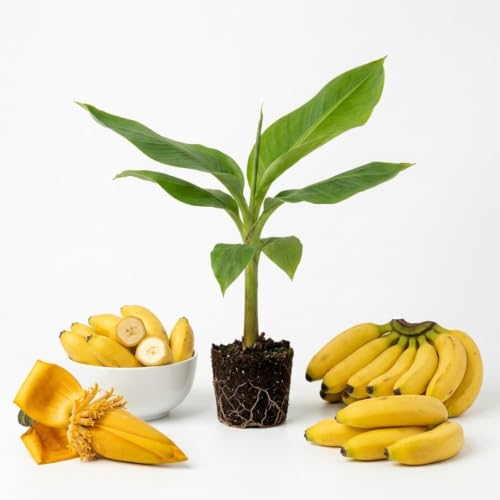
Plant Height: Approximately 4-6 Inches Tall
I Assurance that your plant will be sent out in good and healthy condition. Keep in mind that almost all live plants do become stressed during shipping
