
Close Menu
    Fruit Tree Hub
    • Home
    • Apple Trees
    • Lemon Trees
    • Mango Trees
    • Orange Trees
    • More Trees
      • Best Fruit Trees
      • Apricot Trees
      • Cherry Trees
      • Fig Trees
      • Lime Trees
      • Mulberry Trees
      • Peach Trees
      • Pear Trees
      • Plum Trees
      • Pomegranate Trees
    • Tips and Advice
      • Tools
    • About Us
      • Contact
      • Privacy Policy
    Fruit Tree Hub
    Home»Tools»How to Repair Lopper Bumpers: DIY Maintenance Tips for Optimal Performance
    Tools

    How to Repair Lopper Bumpers: DIY Maintenance Tips for Optimal Performance

    Lucy SmithBy Lucy SmithApril 14, 20245 Mins Read
    Share Facebook Twitter Pinterest WhatsApp Email
    Share
    Facebook Twitter LinkedIn Pinterest Telegram Email

    Ever wondered how to keep your trusty loppers in top-notch shape? Picture this: you’re all set to tackle those overgrown branches, but your lopper bumpers are worn out. What now? Don’t fret – we’ve got you covered! In this article, you’ll discover simple and effective ways to repair lopper bumpers, ensuring smooth cutting every time.

    Contents show
    1 What are Lopper Bumpers?
    2 Signs of Worn-out Lopper Bumpers
    3 Tools Needed for Repair
    4 DIY Methods to Repair Lopper Bumpers
    5 Tips for Maintaining Lopper Bumpers
    6 Conclusion
    7 Frequently Asked Questions
    7.1 How often should I inspect my lopper bumpers?
    7.2 What tool should I use to tighten screws on the lopper bumpers?
    7.3 When should I replace worn-out lopper bumpers?
    7.4 How can I adjust the lopper bumpers?
    7.5 How can I test if the lopper bumpers are functioning properly?

    What are Lopper Bumpers?

    Lopper bumpers are rubber or plastic pieces located at the base of the lopper handles. They serve as shock absorbers, reducing the impact when cutting branches.

    These bumpers prevent jarring to your hands and arms, making the cutting process smoother and more comfortable. They also protect the handles from getting damaged when the blades close.

    Keeping lopper bumpers in good condition is crucial for maintaining cutting efficiency and extending the tool’s lifespan. Damaged or worn-out bumpers can lead to less effective cuts and increased strain on your hands and arms.

    Regularly inspecting and repairing lopper bumpers is a simple yet essential maintenance task to ensure your loppers are always ready for optimal performance.

    Remember, taking care of the small components like lopper bumpers can make a big difference in your cutting experience.

    MUST READ
    Can Your Garden Bypass Pruner Handle Palm Trees? Key Features & Usage Tips

    Signs of Worn-out Lopper Bumpers

    Noticing signs of wear on lopper bumpers is crucial for maintaining optimal cutting performance. Here are some indications that it’s time to repair or replace them:

    • Cracks or Tears: If you spot any cracks or tears on the bumper, it’s a clear sign of wear and tear.
    • Loose Fit: A loose or wobbly bumper that no longer stays firmly in place needs attention.
    • Reduced Shock Absorption: When the bumper no longer absorbs shock as effectively, it’s a sign of deterioration.
    • Visible Damage: Any visible damage to the bumper such as deformation or splitting indicates it needs repairing.

    Regularly inspecting your lopper bumpers for these signs ensures smooth cutting and prolongs the lifetime of your gardening tool.

    Tools Needed for Repair

    When it comes to repairing lopper bumpers, having the right tools is essential. Here are the tools you’ll need:

    • Allen wrench set: for tightening screws
    • Rubber mallet: for gentle knocking
    • Replacement bumpers: ensure they are compatible with your lopper model

    Having these tools handy will make the repair process quick and efficient.

    Recommended Products

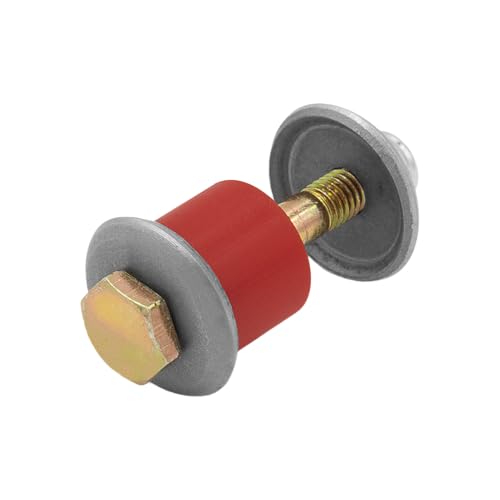
    Replacement Bumper Set for Lopper
    Replacement Bumper Set for Lopper

    Each Set Contains A Nut, Bolt, Durable Plastic Bumper And Two Bumper Pads
    VIEW LATEST PRICE

    As an affiliate, we earn on qualifying purchases.

    CORONA 6400-40 - Shock Stop® Piston Bumper for ClassicCUT® Loppers
    CORONA 6400-40 - Shock Stop® Piston Bumper for ClassicCUT® Loppers
    VIEW LATEST PRICE

    As an affiliate, we earn on qualifying purchases.

    Replacement Bumper for La Buena Loppers
    Replacement Bumper for La Buena Loppers

    Replacement Bumper Fits Any Size La Buena Loppers

    VIEW LATEST PRICE

    As an affiliate, we earn on qualifying purchases.

    MUST READ
    Ensuring Safety: How to Securely Retie the Rope on Your Tree Pruner

    DIY Methods to Repair Lopper Bumpers

    When it comes to repairing lopper bumpers, there are a few DIY methods you can try before considering professional help. Here are some practical tips to get those bumpers back in top shape:

    • Inspect the damage: Start by examining the lopper bumpers for any cracks or visible damage. This will help you understand the extent of the repair needed.
    • Tighten the screws: If the bumpers are loose, grab your Allen wrench set and tighten the screws. This simple step can often help improve the fit and shock absorption.
    • Replace worn-out bumpers: If you notice that the lopper bumpers are beyond repair, it may be time to replace them. Make sure to get replacement bumpers that are compatible with your lopper model.
    • Use a rubber mallet: For bumpers that need a little extra persuasion to fit properly, a rubber mallet can come in handy. Use it gently to adjust the bumpers into place.
    • Test the bumpers: Once you’ve made the necessary repairs or replacements, don’t forget to test the lopper bumpers to ensure they are providing optimal shock absorption and comfort during use.

    By following these DIY methods, you can repair lopper bumpers efficiently and effectively, ensuring that your gardening tools are always ready for action.

    Recommended Products

    CORONA 6300-40 - Bumper - Various Loppers
    CORONA 6300-40 - Bumper - Various Loppers

    Sold 1 per pack

    VIEW LATEST PRICE

    As an affiliate, we earn on qualifying purchases.

    Wfeifei Classic Cut Wood Handle Lopper Bumper 6400-40 Black Metal Replacement Part
    Wfeifei Classic Cut Wood Handle Lopper Bumper 6400-40 Black Metal Replacement Part

    Classic wood handle lopper features robust construction for long-lasting garden pruning performance

    MUST READ
    How to Safely Use, Maintain, and Care for Your Pole Tree Pruner
    VIEW LATEST PRICE

    As an affiliate, we earn on qualifying purchases.

    Replacement Handles for Lopper
    Replacement Handles for Lopper

    MV36-412 Replacement Handles for Zenport MV36 loppers restore structural integrity and full arm extension.

    VIEW LATEST PRICE

    As an affiliate, we earn on qualifying purchases.

    Tips for Maintaining Lopper Bumpers

    To ensure that your lopper bumpers stay in top condition, here are some valuable tips:

    • Inspect Regularly: Check your lopper bumpers for any signs of wear or damage. This simple step can help you catch issues early on.
    • Tighten Screws: Use an Allen wrench set to tighten any loose screws on the bumpers. This will prevent them from coming off during use.
    • Replace Worn-Out Bumpers: If you notice that your bumpers are worn out, consider replacing them with compatible ones. This will help maintain the tool’s shock absorption features.
    • Use a Rubber Mallet: For minor adjustments to the bumpers, gently tap them into place using a rubber mallet. This can help ensure a snug fit.
    • Test for Shock Absorption: After making any repairs or replacements, test the bumpers to ensure they are effectively absorbing shock. This step will guarantee optimal performance.

    By following these tips, you can effectively maintain your lopper bumpers and keep your gardening tools in top shape.

    Recommended Products

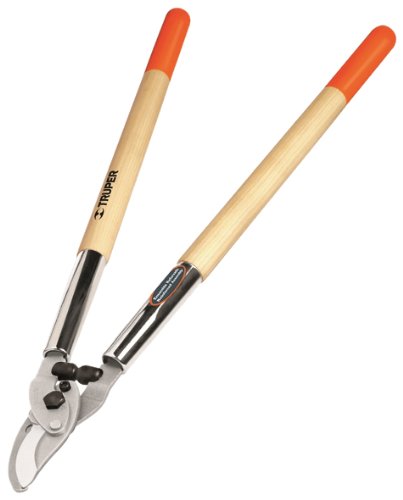
    Zenport MV145-30BP Replacement Bumper
    Zenport MV145-30BP Replacement Bumper

    Replacement Bumper for MV145, MV150, P14, P16, P160, P180-70, P19-80, P51,
    VIEW LATEST PRICE

    As an affiliate, we earn on qualifying purchases.

    Luverne 2090615-3 10-Inch Universal Rubber Bumper Guard Protector Strips Loading Dock Rear Fender Pad Bump Stop, 3-Pack
    Luverne 2090615-3 10-Inch Universal Rubber Bumper Guard Protector Strips Loading Dock Rear Fender Pad Bump Stop, 3-Pack

    EXTRA PROTECTION. These rubber bumper strips increase protection on your delivery van, work truck and a variety of commercial vehicles, as well as trailers

    MUST READ
    How Tree Pruners Work: Your Ultimate Guide to Safe and Efficient Tree Trimming
    VIEW LATEST PRICE

    As an affiliate, we earn on qualifying purchases.

    Luverne 2090616-2 20-Inch Universal Rubber Bumper Guard Protector Strips Loading Dock Rear Fender Pad Bump Stop, 2-Pack
    Luverne 2090616-2 20-Inch Universal Rubber Bumper Guard Protector Strips Loading Dock Rear Fender Pad Bump Stop, 2-Pack

    EXTRA PROTECTION. These rubber bumper strips increase protection on your delivery van, work truck and a variety of commercial vehicles, as well as trailers

    VIEW LATEST PRICE

    As an affiliate, we earn on qualifying purchases.

    Conclusion

    You now have the knowledge to keep your lopper bumpers in top shape. Remember to inspect regularly, tighten screws, replace worn-out bumpers, make adjustments with a rubber mallet, and test for shock absorption. These simple steps will help you maintain your gardening tools and ensure they work efficiently. Happy gardening!

    Frequently Asked Questions

    How often should I inspect my lopper bumpers?

    Inspect your lopper bumpers regularly, ideally every few weeks, to check for wear and tear.

    What tool should I use to tighten screws on the lopper bumpers?

    You can use an Allen wrench set to easily tighten screws on the lopper bumpers.

    When should I replace worn-out lopper bumpers?

    Replace worn-out lopper bumpers as soon as you notice signs of damage or reduced performance.

    How can I adjust the lopper bumpers?

    Use a rubber mallet to make adjustments to the lopper bumpers as needed.

    How can I test if the lopper bumpers are functioning properly?

    Test the lopper bumpers by applying pressure to ensure they provide proper shock absorption.

    Share. Facebook Twitter Pinterest LinkedIn Tumblr Email
    lucy smith
    Lucy Smith
    • Website

    Lucy Smith is a highly experienced horticulturist with a passion for fruit tree cultivation. She holds a degree in Horticulture from the University of California, Davis, and has worked in various roles in the industry. With over 10 years of experience, Lucy is dedicated to using eco-friendly methods for sustainable gardening practices.

    Related Posts

    5 Best Cordless Pruners of 2024 – Effortless Gardening Tools Reviewed

    September 26, 2024

    The 5 Best Loppers of 2024: Pruning Made Easy and Efficient

    September 26, 2024

    The 5 Best Pruning Saws of 2024 – Cut Through Your Gardening Tasks With Ease

    September 26, 2024

    The 5 Best Pruning Shears of 2024 – Your Essential Gardening Tools

    September 26, 2024

    5 Best Heavy Duty Pruning Shears for Effortless Gardening in 2024

    September 26, 2024

    The 4 Best Pruning Blades for Reciprocating Saws: Ultimate Guide for Gardeners

    September 26, 2024
    Leave A Reply Cancel Reply

    Affiliate Disclosure

    As an Amazon Associate I earn from qualifying purchases.

    Recommended Reading

    When Does Fig Tree Bear Fruit: Essential Tips for Successful Fig Cultivation

    Growing Star Fruit Trees in a Pot in Delaware (Beginner Friendly)

    How Long Before Avocado Trees Produce Fruit: Key Factors and Tips for Success

    Which Fruit Trees Grow in West Virginia? (Mountain Planting Guide)

    How to Deal With Jujube Tree Root Issues

    Identifying Small Pests on Grapefruit Tree Blossoms: Effective Management Methods Revealed

    Optimizing Grape Growth: Enhancing Vineyard Success with Proven Techniques

    Can Guava Trees Grow in Washington? PNW Harvest Secrets

    Is Cannonball Tree Fruit Edible? Discover Its Taste, Uses, and Safety Tips

    Growing Kiwi in Florida: Tips for Success in Subtropical Climates

    Fruit Tree Hub

    Fruit Tree Hub is a website dedicated to providing you everything you need to grow fruit trees successfully at in your own yard.

    Contact us at: [email protected]

    - AFFILIATE DISCLOSURE: As an Amazon Associate I earn from qualifying purchases.

    Latest Posts

    21 Colorful Halloween Crochet Motifs Featuring Pumpkins Bats and Black Cats

    23 Smart Halloween Crochet Ideas to Sell as Keychains and Coasters

    22 Fun Halloween Crochet Ideas Built Around Treat Bags and Hats

    23 Adorable Halloween Amigurumi Ideas Featuring Ghosts and Black Cats

    22 Compact Halloween Crochet Decorations for Shelves and Small Spaces

    19 Practical Halloween Crochet Decorations Designed for Tabletop Displays

    24 Cozy Halloween Crochet Decor Ideas Built Around Mantel Garlands

    19 Playful Kawaii Halloween Crochet Ideas Featuring Smiling Spooky Characters

    Categories
    • Almond Trees
    • Apple Trees
    • Apricot Trees
    • Best Fruit Trees
    • Blackberry
    • Cantaloupe
    • Cherry Trees
    • Crochet Ideas
    • Crochet Ideas for Beginners
    • Cucamelon
    • Easy Crochet Ideas
    • Easy Knitting Projects
    • Fall Crochet Ideas
    • Fig Trees
    • Grapefruit Trees
    • Grapes
    • Guava Trees
    • Halloween Crochet Ideas
    • Honeydew
    • Jujube Trees
    • Kiwi
    • Knitting For Beginners
    • Knitting Ideas
    • Knitting Inspiration
    • Lemon Trees
    • Lime Trees
    • Loquat Trees
    • Mango Trees
    • Mulberry Trees
    • Nectarine Trees
    • Olive Trees
    • Orange Trees
    • Papaya Trees
    • Peach Trees
    • Pear Trees
    • Persimmon Trees
    • Planting
    • Plum Trees
    • Pomegranate Trees
    • Quince Trees
    • Raspberry
    • Reviews
    • Small Crochet Ideas
    • Star Fruit Trees
    • Summer Crochet Ideas
    • Tamarind Trees
    • Tangerine Trees
    • Tips and Advice
    • Tools
    • Uncategorized
    • Walnut Trees
    © 2026 Fruit Tree Hub
    • Home
    • About Us
    • Contact
    • Privacy Policy
    • Terms and Conditions
    • Disclaimer
    • Editorial Policy
    • Affiliate Disclosure

    Type above and press Enter to search. Press Esc to cancel.