

Have you ever wondered if you need two persimmon trees to enjoy their delicious fruit? If you’re thinking of planting a persimmon tree, you’re not alone. Many gardeners face this question when deciding how to get the best harvest.
Understanding the pollination needs of persimmons can make all the difference in your gardening success. This article will guide you through the essentials of persimmon tree growth, including whether a single tree can bear fruit or if you need a partner for pollination. By the end, you’ll have the knowledge to make the right choice for your garden and enjoy those sweet, juicy persimmons.
Key Takeaways
- Dioecious vs. Monoecious Trees: Dioecious persimmon trees require both male and female plants for pollination, while monoecious trees can self-pollinate and may only need one tree to bear fruit.
- Pollination Importance: For fruitful yields, understanding whether your chosen variety needs cross-pollination is essential, as many trees benefit from having a pollinator nearby.
- Tree Varieties: Popular persimmon varieties like ‘Fuyu’ can self-pollinate, while ‘Hachiya’ requires pollination for quality fruit. Choose varieties based on your garden’s space and conditions.
- Planting Considerations: Choose the right persimmon type based on your climate and ensure trees are planted with adequate space for air circulation and sunlight.
- Tree Health Management: Regular care, such as watering, fertilizing, and pruning, is vital for maintaining tree health and maximizing fruit production.
Understanding Persimmon Trees
Persimmon trees require specific conditions for successful growth and fruit production. A clear understanding of their pollination needs helps you cultivate a fruitful garden.
Types of Persimmon Trees
- Dioecious Trees: These trees have separate male and female plants. You need a male tree for pollination if you choose this type. The male tree fertilizes the female tree, enabling fruit development.
- Monoecious Trees: These trees produce both male and female flowers on the same plant. They can self-pollinate, meaning a single tree can produce fruit. However, cross-pollination can improve fruit set and quality.
Pollination Requirements
Pollination is crucial for fruit production. Understanding how it works is essential. Here’s what you should consider:
- Pollinators: Wind, bees, and other insects often assist in pollination. Enhancing your garden with flowering plants can attract these pollinators.
- Flowering Time: Ensure your trees bloom at the same time. If you plant different varieties, they need overlapping flowering periods for successful cross-pollination.
Choosing the Right Varieties
Select your persimmon trees based on their pollination needs. Popular varieties include:
- Fuyu: This is a non-astringent variety that can bear fruit with or without a pollinator.
- Hachiya: Astringent and requires pollination for quality fruit. A male tree nearby increases the likelihood of successful pollination.
- Evaluate Your Space: If you’ve limited space, a monoecious variety can meet your needs. If you have room, consider planting both types for better yields.
- Monitor Tree Health: Healthy trees produce more flowers, increasing fruit potential. Ensure they receive adequate water, sunlight, and nutrients.
By understanding these vital aspects, you can better decide if one or two persimmon trees suit your gardening goals.
Types of Persimmon Trees
Persimmon trees come in two primary types: American and Asian. Each type offers unique characteristics and fruiting habits, catering to different gardening needs.
Recommended Products

Persimmon tree adds edible fruit, seasonal foliage, and natural beauty to home gardens and outdoor landscapes

ESTABLISHED QUART POT: You receive a American Persimmon tree settled in its own quart-sized container, standing 6-12 inches tall. This manageable size is easy for you to handle and is intended to provide a strong beginning for the tree with a more developed root system compared to smaller seedlings or bare-root sticks.

PRODUCT IMAGE DISCLAIMER: The main image is for reference only. The plant you receive may not look exactly the same as shown in the first image
American Persimmons
American persimmons (Diospyros virginiana) thrive in USDA hardiness zones 4 to 9. These trees typically grow 30 to 60 feet tall and produce small, astringent fruits. You need to know that American persimmons are dioecious, meaning they require both male and female trees for pollination. Varieties like ‘Meader’ and ‘Yates’ are popular choices due to their fruit quality.
Asian Persimmons
Asian persimmons (Diospyros kaki) prefer warmer climates and flourish in USDA hardiness zones 7 to 10. They grow about 15 to 25 feet tall and are known for their sweet, non-astringent fruits. Many Asian varieties, such as ‘Fuyu’ and ‘Hachiya,’ are monoecious, meaning they can self-pollinate but benefit from cross-pollination with another variety. Planting different varieties helps enhance fruit set and size.
Understanding the differences between these types of persimmons aids in making informed planting decisions for a bountiful harvest. Choose the right trees based on your climate and space availability for the best results.
Pollination Requirements
Understanding the pollination requirements of persimmons is crucial for a fruitful harvest. Different persimmon varieties have unique needs that you should consider when planting.
Recommended Products

NATIVE & BEAUTIFUL: American Persimmon (Diospyros virginiana) is a North American native tree appreciated for its seasonal foliage and distinctive fruit.

LIVE AMERICAN PERSIMMON TREES: Includes American Persimmon live trees potted in quart pot, measuring 6-12 inches tall. Trees may arrive as a dormant plant (without leaves) depending on the season, ready for planting.

Live American Persimmon Tree – Receive 1 American Persimmon tree approximately 7–14 inches tall in a quart (Qt) pot, ready for transplanting into your garden or a larger containe
Self-Pollinating Varieties
Some persimmons are self-pollinating, meaning a single tree can produce fruit without the need for a partner. Varieties like ‘Fuyu’ and ‘Hachiya’ fall into this category, which makes them convenient for home gardeners with limited space. While self-pollination occurs, these trees can benefit from nearby trees for better yields. If you have the space, consider planting multiple trees to ensure a more abundant harvest.
Cross-Pollinating Varieties
Dioecious persimmons, such as the American persimmon, require both male and female trees for fruit production. Male trees produce pollen that fertilizes female flowers, leading to fruit development. Plant popular varieties like ‘Meader’ (female) alongside ‘Yates’ (male) to encourage cross-pollination. If you select dioecious varieties, ensure that trees are planted within 100 feet of each other to facilitate effective pollination, increasing your chances of a bountiful harvest.
Factors Influencing Fruit Production
Several factors influence the fruit production of persimmon trees. Understanding these can help you maximize your harvest.
Recommended Products
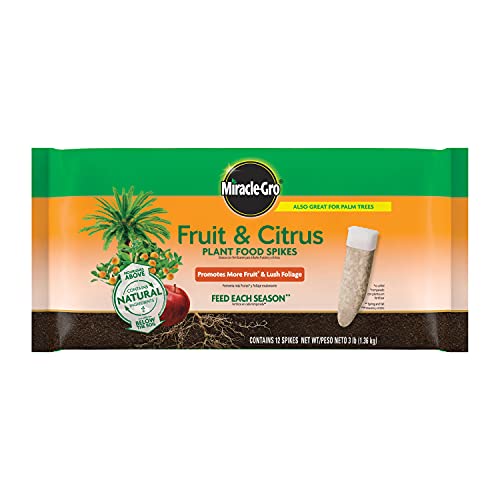
FORMULATED FOR CITRUS AND FRUIT TREES: Use these citrus fertilizer spikes on apple, orange, lemon, lime, and avocado trees; this formula is also great for feeding palm trees

Supports Roots, Foliage & Structure – Helps encourage strong roots and steady plant development.
Tree Health and Care
Maintaining tree health is crucial. Regular watering supports growth, especially during dry spells. Fertilizing with a balanced fertilizer in early spring encourages strong development and fruiting. Pruning helps improve air circulation and light penetration, leading to better fruit production. Monitor for pests and diseases, as early detection allows for quicker intervention.
- Water deeply once a week during dry periods.
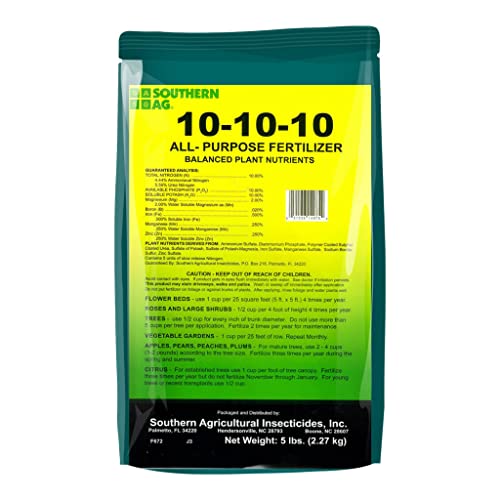
- Fertilize in March using a 10-10-10 NPK fertilizer.
- Prune during dormancy in winter to remove dead or crossing branches.
- Inspect trees monthly for pests like aphids or spider mites.
Climate and Soil Conditions
Climate and soil conditions significantly affect fruit production. Persimmons prefer well-drained, sandy loam soils with a pH between 6.0 and 7.0. They thrive in full sun, requiring at least 6 hours of sunlight daily. American persimmons need slightly cooler conditions, while Asian varieties favor warmer climates. Ensure your trees have enough space to grow, as crowding can reduce air circulation and lead to diseases.
- Test soil with a pH kit before planting.
- Select a sunny location that receives direct sunlight.
- Improve drainage by amending heavy clay soils with organic matter.
- Allow at least 10 feet between trees for proper air circulation.
Conclusion
Whether you choose to plant one persimmon tree or several depends on the variety and your gardening goals. If you’re going for self-pollinating types like Fuyu or Hachiya you can enjoy fruit from just one tree. However if you’re leaning toward dioecious varieties you’ll need both male and female trees for a fruitful harvest.
Remember that planting multiple trees can boost your yields and improve fruit quality. By considering your space and the specific needs of the trees you select you can create a thriving garden that rewards you with delicious persimmons. Happy gardening!
Frequently Asked Questions
Do I need two persimmon trees to get fruit?
To ensure a fruitful harvest, it depends on the type of persimmon. Dioecious trees need both male and female trees, while monoecious varieties can self-pollinate but yield better with cross-pollination.
What are dioecious and monoecious persimmon trees?
Dioecious persimmons require separate male and female trees for pollination, while monoecious trees have both male and female flowers and can self-pollinate. Cross-pollination can increase fruit quality in monoecious types.
Which types of persimmon trees should I consider?
You can choose American persimmons (Diospyros virginiana) for colder climates (zones 4-9) that require both sexes, or Asian persimmons (Diospyros kaki) for warmer areas (zones 7-10) that often self-pollinate, like ‘Fuyu’ and ‘Hachiya.’
How can I improve my persimmon yield?
Planting multiple trees can enhance pollination and yield, especially for monoecious types. Also, ensure proper care, including adequate sunlight, good drainage, and regular fertilization.
What climate and soil conditions are best for persimmons?
Persimmons thrive in well-drained sandy loam with a pH of 6.0-7.0 and require at least six hours of sunlight daily. American persimmons need cooler climates, while Asian varieties prefer warmer conditions.
How should I care for my persimmon trees?
Regular watering, balanced fertilizer in early spring, and pruning during dormancy are essential for tree health. Good tree maintenance enhances fruit production and overall vigor.
Can I grow persimmons in containers?
Yes, you can grow persimmons in containers, especially self-pollinating varieties like ‘Fuyu’ and ‘Hachiya.’ Ensure the container is large enough to accommodate root growth and provides good drainage.
