

Have you ever planted a fruit tree only to watch it grow tall and green but never produce a single piece of fruit? You’re not alone. Many gardeners face this frustrating situation and wonder what went wrong.
Understanding why your fruit tree isn’t bearing fruit can save you time and effort. This article will guide you through the common reasons behind this issue, from poor pollination to soil problems. By the end, you’ll have the knowledge you need to help your tree thrive and hopefully enjoy a bountiful harvest in the future.
Key Takeaways
- Pollination Importance: Many fruit trees require cross-pollination, so plant compatible varieties nearby and attract pollinators with native flowers to enhance fruit production.
- Pruning Techniques: Prune during dormancy to encourage growth and increase air circulation, while avoiding heavy spring pruning that can reduce fruit set.
- Nutrient Management: Conduct soil tests to check for deficiencies; use balanced fertilizers and organic compost to improve soil fertility for optimal growth.
- Soil Quality: Ensure well-draining, nutrient-rich soil with a proper pH level (6.0 to 7.0) to support healthy fruit tree development.
- Water and Sunlight: Provide consistent watering (1 to 2 inches weekly) and ensure at least six hours of direct sunlight daily to support flowering and fruit development.
Understanding Fruit Tree Growth
Fruit trees go through distinct stages of growth, and understanding these stages helps you identify why your tree might not bear fruit.
Growth Stages of Fruit Trees
- Germination: This stage includes seed sprouting. Water, sunlight, and suitable temperature play crucial roles.
- Vegetative Growth: Your tree develops leaves and branches during this time. Healthy foliage is essential as it captures sunlight for photosynthesis.
- Flowering: Flower buds form, signaling potential fruit production. Adequate pollination occurs here, influencing fruit set.
- Fruit Development: If fertilized, flowers transform into fruits. At this point, proper care is vital for successful growth.
Factors Influencing Fruit Production
- Pollination: Many fruit trees require cross-pollination. Without compatible pollinators, you won’t see fruit.
- Pruning: Regular pruning promotes healthy growth and flower production. Remove dead or overcrowded branches to enhance light access.
- Soil Quality: Nutrient-rich soil fosters growth. Test your soil for pH and essential minerals to support optimal growth.
- Water Levels: Consistent watering is crucial, especially during flowering. Overwatering or underwatering can stress the tree.
- Sunlight: Fruit trees thrive in full sun. Aim for at least six hours of direct sunlight daily to encourage flowering and fruit set.
- Poor Pollination:
- Plant multiple varieties nearby to improve chances of cross-pollination.
- Attract pollinators with flowers like lavender or sunflowers.
- Soil Problems:
- Amend the soil with organic material, such as compost, to enhance fertility.
- Avoid compacted soil by loosening it around the roots.
- Nutrient Deficiencies:
- Use balanced fertilizers early in the growing season.
- Apply nutrients based on soil test reports for targeted care.
- Inadequate Pruning:
- Prune during winter dormancy for best results.
- Focus on removing inward-growing branches to improve airflow.
- Water Stress:
- Monitor moisture levels regularly, especially in hot months.
- Implement a drip irrigation system for consistent watering.
By grasping these aspects of fruit tree growth, you gain the ability to assess and enhance your tree’s production capabilities effectively.
Common Reasons Why Fruit Trees Don’t Bear Fruit
Understanding why your fruit trees fail to produce fruit can help you take the right measures for a better yield. Here are some common reasons that affect fruit production.
Recommended Products
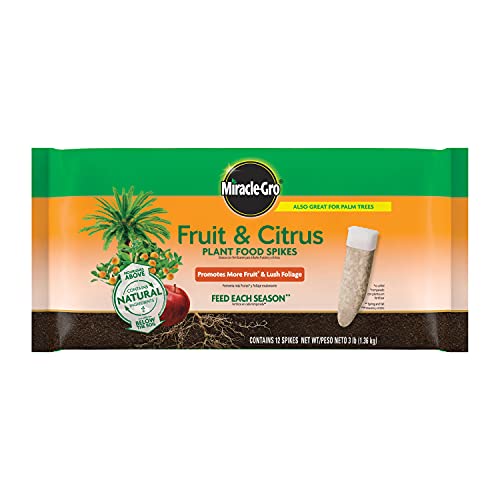
FORMULATED FOR CITRUS AND FRUIT TREES: Use these citrus fertilizer spikes on apple, orange, lemon, lime, and avocado trees; this formula is also great for feeding palm trees

Let our professionally formulated plant food help your fruit tree grow healthy, strong AND abundantly producing

Made for Lemon & Citrus Trees – Formulated to support healthy growth in lemon and citrus plants.
Lack of Pollination
Insufficient pollination significantly impacts fruit development. Many fruit trees require cross-pollination, which occurs when pollen from one tree fertilizes the flowers of another. If you only have one tree, consider planting another variety nearby to aid in pollination. Timing is crucial; ensure blossom times overlap for effective pollination. You can attract pollinators by planting native flowers around your fruit trees.
Improper Pruning Techniques
Incorrect pruning can hinder fruit production. Prune your trees during their dormant season to encourage growth. Avoid heavy pruning in the spring, as it can lead to reduced fruit set. Focus on removing dead or crossing branches to improve air circulation and sunlight exposure. The shape of the tree also matters—a balanced canopy promotes healthy fruit production.
Nutrient Deficiencies
Nutrient deficits in the soil directly affect fruiting. Conduct a soil test to identify any lacking nutrients. Common deficiencies include nitrogen, phosphorus, and potassium. Apply a balanced fertilizer according to test results to correct any imbalances. Incorporate organic materials, such as compost, to improve soil health over time. Regularly mulching around the base of trees helps retain moisture and adds nutrients as it breaks down.
Environmental Factors Affecting Fruit Production
Environmental factors play a critical role in fruit production. Understanding how climate and soil quality influence fruit trees helps you identify and address issues affecting your harvest.
Recommended Products

Accurate Soil pH Testing: Dewildetradingco Soil pH Test Strips offer measurements of soil pH levels (pH 3.5-9). As an essential tool for every gardener and grower, these test strips help determine the optimal pH for various plants, such as outdoor plants, indoor plants, gardens, grass lawns, fruit trees, flowers, vegetables, and forest shrubs.

Kindly NOTE: This soil tester can not be applied to test pH value of any other liquid. If the soil is too dry the indicator will not move, and water it before testing.

✅ 1Dial & 1 LCD Screen - Replace/install all 3 batteries each time. Put button to %RH/°F to - Turn On, and put to LIGHT to - Turn Off. Read the LCD results in 3-5 mins. (Not Water Moisture Meter, so, please don't test liquid)
Climate Conditions
Climate conditions significantly impact whether your fruit trees bear fruit. Trees thrive in specific temperature ranges and climates. For example:
- Temperature: Most fruit trees require chilling hours during winter for proper fruiting. Insufficient chill hours often lead to poor flowering and reduced yield.
- Frost: Late spring frosts can damage blossoms, preventing fruit development. It’s essential to monitor local frost dates and choose varieties suited to your climate.
- Rainfall: Consistent rainfall supports healthy growth, while excessive moisture can lead to root rot and disease. Aim for well-drained soil and proper irrigation techniques.
Consider selecting varieties that align with your climate zone. Local nurseries often provide guidance on the best options for your area.
Soil Quality
Soil quality greatly influences fruit production. The right soil provides nutrients, drainage, and support for root systems. Key factors to consider include:
- Nutrient Content: Shortages in essential nutrients like nitrogen, phosphorus, or potassium hinder fruit tree growth. Conduct soil tests to identify deficiencies.
- pH Level: Most fruit trees prefer a slightly acidic to neutral pH (6.0 to 7.0). Testing your soil’s pH will guide you in making necessary adjustments, such as adding lime to raise pH or sulfur to lower it.
- Drainage: Poorly draining soil can suffocate roots, leading to stress and fruit drop. If your soil retains too much water, consider raised beds or amending your soil with organic matter to improve drainage.
Regularly amending your soil with compost or organic fertilizers helps maintain optimal fertility. Rotate crops and integrate cover crops to enhance soil health long-term.
Solutions to Encourage Fruit Production
Implementing targeted solutions can significantly boost your fruit trees’ production. Focus on essential aspects like pollination and soil health to enhance fruiting capabilities.
Recommended Products

8 Sizes Set for Varied Plants: this pollinator tool set includes 8 different tip sizes to meet your specific garden needs, allowing you to easily match the brush head to tiny succulent blossoms or large flowers without causing damage

Core Functionality: This pollinator tool set includes 8 pollinating brushes designed for hand pollination of fruit trees, vegetables, and flowers, offering a practical solution to increase crop yields especially when natural pollinators are scarce

Precise Manual Pollination: This vegetable pollinator tool provides controlled hand pollination that enhances fruit and vegetable pollination efficiency, helping to increase crop yields by reliance on unpredictable natural pollinators
Improving Pollination
Ensure effective pollination by planting multiple varieties of trees nearby. Many fruit trees rely on cross-pollination for better yields. For instance, if you have apple trees, consider planting at least two different apple varieties. This increases the chances of successful fertilization.
Attract pollinators like bees by incorporating native flowering plants around the trees. Flowers like lavender and wildflowers provide necessary nectar and pollen. These plants create a welcoming environment for pollinators, enhancing fruit set.
Additionally, monitor the timing of blooming. If your trees bloom too early or too late, they might miss the opportunity for pollination. To prevent this, choose varieties that bloom simultaneously, ensuring overlap in flowering periods.
Soil and Nutrient Management
Maintaining proper soil health is crucial for fruit production. Start by conducting soil tests to determine nutrient levels and pH balance. A soil pH between 6.0 and 6.8 supports optimal nutrient availability for most fruit trees. Based on test results, amend the soil with the necessary nutrients.
Incorporate organic matter such as compost or well-rotted manure into the soil. This enhances soil structure, encourages beneficial microorganisms, and supplies essential nutrients. Aim for at least a 2-to-3-inch layer of organic material around the base of your trees.
Fertilize your trees with balanced fertilizers that include nitrogen, phosphorus, and potassium. For example, a 10-10-10 fertilizer provides a good nutrient mix. Apply fertilizers in early spring as trees begin to leaf out, following package instructions for specific usage rates.
Ensure your trees receive adequate water throughout the growing season. Regularly check soil moisture levels, especially during dry spells. Water deeply and infrequently to encourage strong root development. Aim for about 1 to 2 inches of water weekly, depending on rainfall.
By implementing these strategies, you can foster an environment conducive to fruit production and enjoy a bountiful harvest in your garden.
Conclusion
Understanding why your fruit trees aren’t bearing fruit can be a game changer for your gardening experience. By addressing issues like pollination, soil health, and environmental factors, you’re setting the stage for a fruitful harvest.
Take the time to evaluate your trees’ needs and consider implementing the solutions discussed. Whether it’s planting companion trees for better pollination or improving soil quality, every step you take can make a difference.
With a little patience and care, you’ll be well on your way to enjoying delicious fruits straight from your garden. Happy gardening and may your trees thrive!
Frequently Asked Questions
Why aren’t my fruit trees producing fruit?
Many factors can cause fruit trees to fail to produce fruit, including poor pollination, nutrient deficiencies, and inadequate sunlight. Ensuring proper care and addressing these issues can improve fruit production.
How important is pollination for fruit trees?
Pollination is crucial for fruit production. Many fruit trees require cross-pollination from different varieties to set fruit. Planting multiple trees and attracting pollinators can significantly enhance fruit yield.
What can I do to improve soil quality for my fruit trees?
Improving soil quality involves conducting soil tests to identify deficiencies, incorporating organic matter, and using balanced fertilizers. Healthy soil promotes better growth and fruit production.
When should I prune my fruit trees?
Pruning should ideally be done during the dormant season, usually in late winter or early spring. Proper pruning techniques encourage healthy growth and can improve fruiting.
How does watering affect fruit production?
Adequate watering is essential for strong root development and overall tree health. Inconsistent watering can stress the trees, leading to reduced or poor fruit yields.
What environmental factors influence fruit tree production?
Factors like temperature, frost, and rainfall significantly affect fruit production. Selecting varieties suited to your local climate can help ensure successful fruiting and prevent damage from late frosts.
