

Are your fruit trees struggling with pests or diseases? You’re not alone. Many gardeners face the challenge of keeping their trees healthy and productive. Neem oil can be a game-changer, but knowing when to apply it can make all the difference.
Key Takeaways
- Understanding Neem Oil: Neem oil is a natural pesticide derived from the neem tree, effective against various pests and diseases affecting fruit trees.
- Pest and Disease Control: It effectively targets common pests like aphids and spider mites while also combating fungal infections, ensuring fruit tree health.
- Optimal Timing for Application: The best times to apply neem oil are in spring, early summer, and fall, avoiding extreme weather conditions for maximum effectiveness.
- Application Methods: Employ effective application techniques such as spray, soil drench, or using a foam applicator to ensure thorough coverage of the tree.
- Proper Dilution and Reapplication: Use a dilution ratio of 1-2 tablespoons of neem oil per gallon of water and reapply every 7-14 days or after heavy rain for sustained protection.
- Avoid Common Mistakes: Prevent over-application and be mindful of weather conditions to maintain the health of beneficial insects and maximize neem oil efficacy.
Understanding Neem Oil
Neem oil comes from the seeds of the neem tree, native to India and other tropical regions. It’s a natural pesticide renowned for its effectiveness against a variety of pests and diseases that affect fruit trees.
What Is Neem Oil?
Neem oil, derived from the seeds of the Azadirachta indica tree, contains active compounds that disrupt the life cycle of pests. These compounds include azadirachtin, which interferes with insect growth and reproduction. Neem oil also acts as a fungicide, targeting mildew and other fungal diseases. This plant-based oil is biodegradable and safe for beneficial insects when applied correctly.
Benefits Of Neem Oil For Fruit Trees
Neem oil offers several advantages for fruit trees:
- Pest Control: It effectively targets aphids, spider mites, and whiteflies. Applying neem oil disrupts their feeding and breeding cycles.
- Disease Prevention: Neem oil combats fungal infections like powdery mildew and black spot. It helps maintain healthy foliage, ensuring fruit trees thrive.
- Non-Toxic Nature: Unlike synthetic pesticides, neem oil is safe for use around children and pets. It poses minimal risk to pollinators when used appropriately.
- Soil Health: Neem oil can improve soil quality by breaking down and enriching the ecosystem. Healthier soil supports healthier trees.
- Versatility: You can use neem oil at any growth stage. Whether you’re treating young saplings or mature trees, it’s suitable for all.
Using neem oil enhances the vitality of your fruit trees while promoting a balanced ecosystem in your garden.
Best Times To Apply Neem Oil
Applying neem oil effectively boosts the health of your fruit trees. Knowing the best times for application helps maximize its benefits.
Recommended Products
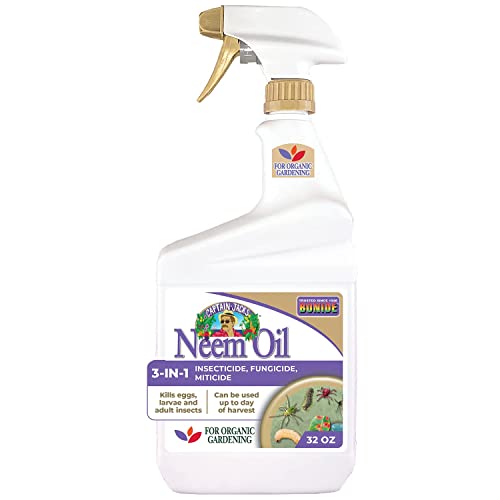
Protect your oasis with 3 garden products in 1 from Captain Jack’s; Bonide Captain Jack’s Ready-to-Use Neem Oil spray for plants is a multi-purpose fungicide, insecticide and miticide for your lawn & garden

FUNGAL DISEASE CONTROL: Prevents and controls black spot on roses, powdery mildew, rust, downy mildew, and other listed fungal diseases when applied on a 7–14 day schedule

Protect your oasis with Captain Jack’s Neem Max Ready-to-Use Spray; this multipurpose product acts as a 4-in-1 insecticide, fungicide, miticide and nematicide
Seasonal Considerations
Spring and early summer serve as ideal times for neem oil application. This period aligns with the emergence of many pests. Spraying during this time controls populations before they become overwhelming. In fall, applying neem oil can help protect trees from pests preparing for winter. Avoid using neem oil during extreme heat or frost, as these conditions may hinder its effectiveness.
Time Of Day For Application
Dawn or dusk offers the best times to apply neem oil. Temperatures are cooler, reducing the risk of evaporation and enhancing absorption. Spraying during these hours also avoids harming beneficial insects that are less active. Ensure trees are dry at the time of application for optimal results.
How To Apply Neem Oil
Applying neem oil effectively maximizes its benefits for your fruit trees. Follow these guidelines for the best results.
Recommended Products
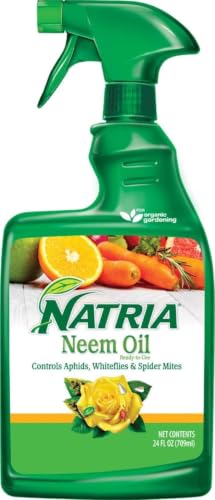
PLANT DISEASE CONTROL: Natria Neem Oil acts as an insecticide and fungicide in one convenient spray; Ready-to-use trigger sprayer requires no mixing

Protect your oasis with 3 garden products in 1 from Captain Jack’s; Captain Jack’s Ready-to-Use Neem Oil spray for plants is a multi-purpose fungicide, insecticide and miticide for your lawn and garden

Protect your oasis with Captain Jack’s Neem Max Ready-to-Use Spray; this multipurpose product acts as a 4-in-1 insecticide, fungicide, miticide and nematicide
Dilution Rates
Proper dilution of neem oil is crucial for its effectiveness. A common ratio is 1-2 tablespoons of neem oil per gallon of water. This concentration ensures protection against pests without risking harm to your trees. For specific pests or diseases, refer to product labels for recommended dilution rates.
Application Methods
Using the right application method enhances coverage and absorption. Here are effective ways to apply neem oil:
- Spray Application: Mix the diluted neem oil in a spray bottle. Spray thoroughly on the leaves, stems, and affected areas. Ensure coverage on both the upper and lower leaf surfaces.
- Soil Drench: For soil-borne pests, apply the neem oil mix directly to the soil around the tree base. This method allows the roots to absorb the neem oil and helps protect against pests in the soil.
- Foam Method: Use a foam applicator for targeted treatment. This method allows you to apply neem oil directly to specific areas without oversaturating the rest of the tree.
Always apply neem oil in the early morning or late evening to avoid sun damage and ensure effective absorption. Reapply every 7-14 days or after heavy rain for continued protection.
Common Mistakes To Avoid
Avoiding common mistakes ensures the effective use of neem oil on your fruit trees. Understanding these pitfalls helps maintain tree health and enhances pest control.
Over-application
Over-application can lead to negative effects rather than benefits. Using too much neem oil can create a residue that harms beneficial insects and disrupts pollination. Adhere to the recommended dilution ratio of 1-2 tablespoons of neem oil per gallon of water. Apply neem oil every 7-14 days or after heavy rain to ensure your trees receive the right amount of treatment without excess buildup.
Ignoring Weather Conditions
Ignoring weather conditions can greatly impact neem oil’s effectiveness. Avoid applying neem oil during extreme heat, as high temperatures can cause rapid evaporation and reduce absorption. Similarly, skip applications during frost, which can hinder the oil’s effectiveness and harm the tree. The ideal times for application are dawn or dusk on mild days, allowing for maximum potency and better protection of beneficial insects.
Conclusion
Using neem oil on your fruit trees can be a game changer for maintaining their health and productivity. By applying it at the right times like spring and early summer you can effectively manage pests and diseases. Remember to avoid extreme weather conditions and focus on those cooler times of day for the best results.
With proper dilution and application methods you’ll not only protect your trees but also support a thriving garden ecosystem. Keeping these tips in mind will help you enjoy a bountiful harvest while ensuring your fruit trees stay vibrant and strong. Happy gardening!
Frequently Asked Questions
Recommended Products

FOR ORGANIC GARDENING - Captain Jack's NeemMax is a perfect pest control solution for any garden dealing with mites, flies, mildew, and more. This product is a four-in-one insecticide, fungicide, miticide, and nematicide.

Control diseases and insects in your garden with Captain Jack’s Fruit Tree Spray Concentrate! Use on a variety of listed fruits, nuts and citrus plants.
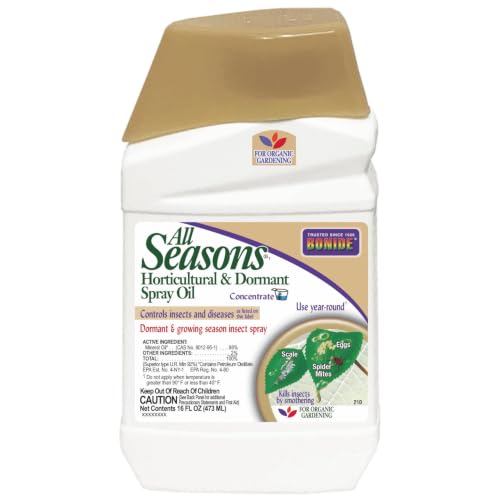
Control insects & diseases in your home garden with All Seasons Horticultural & Dormant Spray Oil Concentrate; use year-round to control listed insects and diseases
What is neem oil used for in gardening?
Neem oil is a natural pesticide derived from the seeds of the neem tree. It’s used to control pests and diseases affecting fruit trees. It contains active compounds that disrupt pest life cycles, making it effective against various insects and fungal diseases.
When is the best time to apply neem oil?
The best times to apply neem oil are in spring and early summer when pests emerge. Applications in the fall can protect trees from overwintering pests. Avoid applying neem oil during extreme heat or frost for optimal results.
How do I apply neem oil properly?
To apply neem oil, dilute 1-2 tablespoons of neem oil in one gallon of water. Use spray, soil drench, or foam application methods. Apply in the early morning or late evening to enhance absorption and protect beneficial insects.
Can neem oil harm beneficial insects?
Yes, if over-applied, neem oil can harm beneficial insects and disrupt pollination. It’s essential to follow the recommended dilution ratios and application timings to minimize negative impacts on beneficial species in your garden.
How often should I reapply neem oil?
Reapply neem oil every 7-14 days or after heavy rain for continued protection against pests and diseases. Regular applications help maintain its effectiveness and keep your fruit trees healthy throughout the growing season.
