

Have you ever looked at your fig tree and wondered why it’s not bearing fruit? You’re not alone. Many gardeners face this frustrating issue, especially when they’ve put in the time and care to nurture their plants. Fig trees can be tricky, and a number of factors might be at play.
Key Takeaways
- Environmental Influences: Fig trees thrive in warm temperatures (70°F to 100°F) and require full sun for at least six hours daily to produce fruit. Low temperatures and insufficient sunlight can hinder fruit development.
- Soil Quality: Well-draining sandy or loamy soil is essential. Heavy clay soils can cause root rot, preventing fruiting. A slightly acidic to neutral pH (6.0-7.0) is ideal for fig tree health.
- Water Management: Consistent moisture is vital, but avoid overwatering. Allow the top inches of soil to dry out between waterings to promote healthy root growth and encourage fruiting.
- Pest and Disease Control: Regularly check for pests like fig beetles and spider mites, and manage diseases such as root rot and leaf blight to ensure tree vitality and fruit production.
- Nutrient Monitoring: Key nutrients like nitrogen, potassium, and calcium must be balanced for optimal growth and fruit set. Conduct soil tests to identify deficiencies and apply appropriate fertilizers.
- Variety Awareness: Understand whether your fig tree is parthenocarpic (fruiting without pollination) or requires pollination through fig wasps, as this affects care and fruiting potential.
Common Reasons Figs Trees Don’t Bear Fruit
Fig trees may not bear fruit due to several common issues. Understanding these factors can help you troubleshoot and encourage fruit production.
Environmental Factors
Temperature impacts fig trees significantly. They thrive in warm climates with temperatures between 70°F and 100°F. If the temperature drops below 50°F during the blooming period, fruit development is likely hindered. Additionally, fig trees require full sun exposure for at least six hours daily. Limited sunlight leads to poor fruiting.
Humidity levels also play a role. Fig trees prefer moderate humidity. Very dry or excessively humid conditions can stress the tree, affecting its ability to produce fruit. Lastly, strong winds can damage tender shoots and flowers, disrupting the fruiting process.
Soil Conditions
Soil type and quality greatly affect fig tree productivity. Well-draining soil is essential for fig trees. Compacted or heavy clay soils retain water, leading to root rot and ultimately preventing fruit development. Aim for sandy or loamy soil that drains well.
Nutrient availability is another critical factor. Fig trees prefer slightly acidic to neutral pH levels (6.0-7.0). Conduct a soil test to check nutrient levels and adjust accordingly with fertilizers. Too much nitrogen can result in abundant foliage but minimal fruit production, so use balanced fertilizers.
Watering practices also matter. Fig trees require consistent moisture, especially during the growing season. However, avoid overwatering. Allow the top couple of inches of soil to dry between waterings. This promotes healthy root growth and encourages fruiting.
Tree Health Issues
Tree health issues can significantly affect your fig tree’s ability to produce fruit. Addressing these problems promptly is essential for encouraging healthy growth and ensuring a fruitful harvest.
Recommended Products

FUNGAL DISEASE CONTROL: Prevents and controls black spot on roses, powdery mildew, rust, downy mildew, and other listed fungal diseases when applied on a 7–14 day schedule
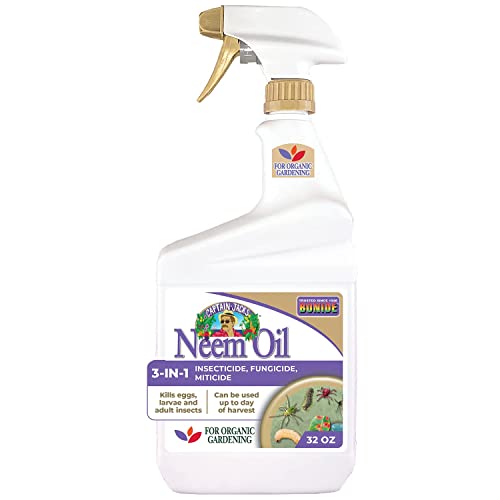
Protect your oasis with 3 garden products in 1 from Captain Jack’s; Bonide Captain Jack’s Ready-to-Use Neem Oil spray for plants is a multi-purpose fungicide, insecticide and miticide for your lawn & garden
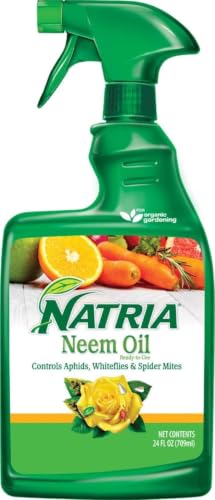
PLANT DISEASE CONTROL: Natria Neem Oil acts as an insecticide and fungicide in one convenient spray; Ready-to-use trigger sprayer requires no mixing
Pests and Diseases
Pests and diseases can damage fig trees, leading to poor fruit production. Common pests include:
- Fig Beetles: These insects feed on the fruit and foliage, compromising tree health. Inspect your tree regularly for signs of infestation.
- Spider Mites: Tiny but destructive, spider mites can cause leaf discoloration and drop. Control them with insecticidal soap or neem oil.
- Scale Insects: These pests suck sap from the tree, weakening it. Manual removal or horticultural oils can help eliminate them.
Diseases such as root rot and leaf blight can also hinder fruit development. Prevent root rot by ensuring adequate drainage, and manage leaf blight with proper watering practices and good air circulation around your tree.
Nutrient Deficiencies
Nutrient deficiencies can prevent your fig tree from bearing fruit. Key nutrients to monitor include:
- Nitrogen: Essential for leaf growth and overall plant health. A balanced fertilizer can restore nitrogen levels if leaves appear yellow.
- Potassium: Important for fruit development and quality. If your figs are small or misshapen, a potassium-rich fertilizer may be necessary.
- Calcium: Critical for cell wall structure, calcium deficiency can lead to blossom end rot. Ensure your soil contains adequate calcium or use lime to boost levels.
Conduct a soil test to determine specific nutrient needs and adjust your fertilization regimen accordingly. Regularly mulching around your tree can also improve soil quality and retain moisture, further promoting healthy growth.
Proper Care Techniques
Proper care techniques play a significant role in encouraging your fig tree to bear fruit. Understanding these methods ensures your tree remains healthy and productive.
Recommended Products

ULTRA SHARP - Much less effort to cut branches with our pruning shears. Crafted from premium SK5 steel with titanium coating, our garden scissors and garden clippers boast exceptional durability and sharpness. A perfect pruning shears for gardening and a must-have garden tool, hedge clippers pruners for gardening

REDUCE HAND STRESS- This scissors was made to eliminate the day to day stress that comes from long time pruning with our soft grip handles, sharp stainless steel blades and springless design to allow free movement

· ULTRA-SHARP SK5 STAINLESS STEEL - Engineered with premium SK5 stainless steel, these heavy duty pruning shears deliver razor-sharp precision and maximum hardness. The rust-resistant blades are designed to stay sharp longer, effortlessly resisting corrosion and sap buildup for smooth, friction-free garden shears performance year after year.
Pruning and Maintenance
Pruning fig trees helps manage their size and shape, promoting air circulation and sunlight penetration. Start by removing dead or damaged branches. Aim for a balanced structure, allowing for more fruit production. Prune during the dormant season, typically late winter to early spring. This timing minimizes stress and encourages new growth. Maintain cleanliness by clearing fallen leaves and debris around the tree to prevent pests and diseases.
Watering Practices
Watering your fig tree correctly is crucial for its health and fruiting capability. Ensure the soil remains consistently moist but not soggy. Water deeply once a week during dry periods to encourage deep root growth. Check the soil moisture by sticking your finger about an inch into the ground; if it’s dry, it’s time to water. Avoid overwatering, as this can lead to root rot and hinder fruit development. Mulching around the base helps retain moisture during hot weather and adds nutrients to the soil.
Understanding Fig Tree Varieties
Fig trees come in different varieties, each with specific fruiting requirements. By understanding these varieties, you can identify which type of fig tree you’re growing and how to optimize its fruiting potential.
Recommended Products

Complete with Elegant Planter: This fiddle leaf fig tree has a realistic natural look. This stunning fiddle leaf fig tree artificial comes fully potted in a rustic beige cylinder planter, crafted from durable textured material for an organic yet modern look. The weighted base provides stability, while the neutral color seamlessly blends with any décor style

MATURE SIZE & CARE GUIDE: The Yellow Long Neck fig yields large, bright yellow fruit with a long neck, perfect for honey-sweet flavors. The average mature height is 4-8 feet. This live fig plant needs full sun and well-drained soil. Self-pollinating, it thrives in zones 7-10a. Ensure ample moisture during fruiting, abut avoid excessively wet soil.
Parthenocarpic vs. Pollinated Varieties
Parthenocarpic figs produce fruit without pollination. Varieties such as ‘Brown Turkey’ and ‘Kadota’ fall into this category. They bear fruit consistently, even without male trees nearby. Growers often prefer these for easier cultivation, as you’ll see reliable yields, especially in areas lacking pollinators.
Pollinated figs, on the other hand, require specific wasps for fruit development. For example, the ‘Calimyrna’ variety relies on the fig tree’s pollination partner, the fig wasp. If these wasps are missing, you’ll notice little to no fruit. To enjoy these fruits, plant pollinator trees nearby or ensure proper conditions that attract fig wasps.
Understanding your tree’s variety helps you choose the right care methods. Check if your fig tree is parthenocarpic or requires pollination. This knowledge leads to better maintenance routines and improves your chances of enjoying fresh figs from your garden.
Conclusion
Fig trees can be a bit tricky when it comes to bearing fruit but don’t get discouraged. By paying attention to the environment soil health and proper care techniques you can significantly improve your chances of enjoying delicious figs. Remember to monitor for pests and diseases while ensuring your tree gets the right nutrients and watering.
Understanding the specific variety you have is also key. With a little patience and the right approach your fig tree can thrive and reward you with a bountiful harvest. Happy gardening and may your fig tree soon bear fruit!
Frequently Asked Questions
Why is my fig tree not bearing fruit?
Fig trees may not bear fruit due to various reasons, including inadequate sunlight, poor soil conditions, and improper watering. Ensuring your fig tree has full sun exposure, well-draining soil, and consistent moisture can significantly improve fruit production.
What conditions do fig trees need to thrive?
Fig trees thrive in warm climates with full sun exposure, well-draining, slightly acidic to neutral soil, and consistent moisture. Providing these conditions helps boost their growth and fruiting potential.
How often should I water my fig tree?
Water your fig tree deeply and consistently, aiming to keep the soil moist but not soggy. Adjust frequency according to rainfall and temperature, ensuring to avoid overwatering, which can harm the roots.
What pests and diseases affect fig trees?
Common pests include fig beetles, spider mites, and scale insects, while diseases like root rot and leaf blight can hinder fruit production. Regular inspections and prompt action against pests and diseases are essential for maintaining tree health.
How can I improve soil quality for my fig tree?
To improve soil quality, consider conducting soil tests for nutrient deficiencies. Regular mulching can enhance soil structure, retain moisture, and provide essential nutrients, promoting healthier growth and fruiting in fig trees.
When should I prune my fig tree?
Prune your fig tree during the dormant season to remove dead or damaged branches, promoting better air circulation and sunlight penetration. Pruning at this time minimizes stress and encourages new growth.
What are parthenocarpic and pollinated figs?
Parthenocarpic figs, like ‘Brown Turkey,’ can produce fruit without pollination, while pollinated figs, such as ‘Calimyrna,’ require specific wasps for fruit development. Knowing your fig variety helps optimize care and improve yield.
